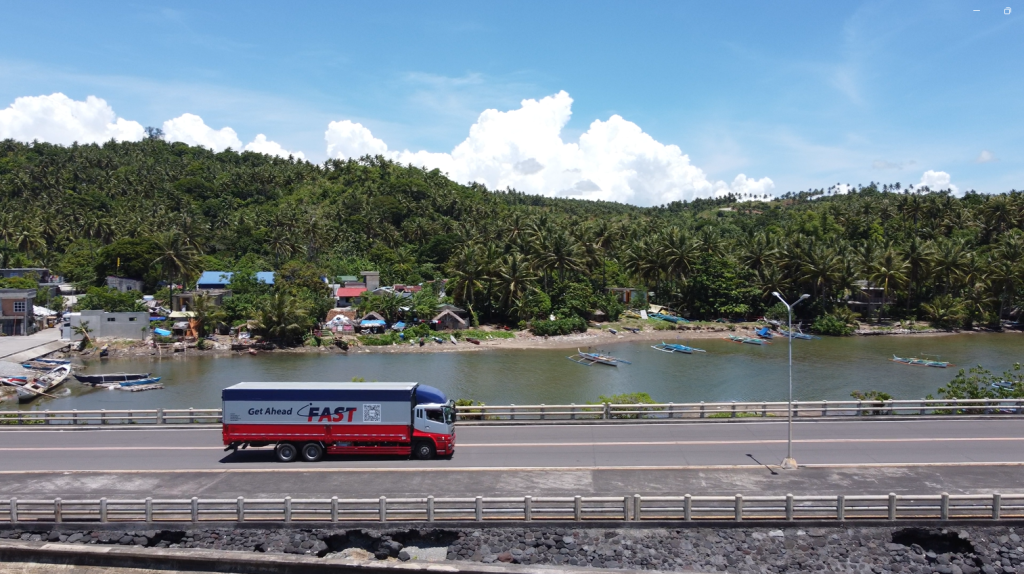
Far from a time to slow down, 2026 demands sharper strategy and stronger execution. Businesses will face mounting cost pressures and supply chain volatility, making operational efficiency non-negotiable.
2026 will not be a year for complacency. Costs will continue to rise, competition will intensify, and disruptions will persist.
For FAST Logistics Group, 2026 is a pivotal year in Philippine logistics. It signals a turning point — one where innovation, speed, and resilience will define industry leaders. Companies that harness technology, streamline networks, and partner with the right logistics provider will withstand challenges and unlock new growth opportunities.
“2026 will be a year where agility and foresight separate market leaders from followers,” says Manuel L. Onrejas Jr., CEO for Logistics of FAST Logistics Group. “Our role as a logistics partner is to provide strategic solutions that enable businesses to scale efficiently despite uncertainty.”
More Bullish Supply Chain Driven by Spending, Growing Market
The first three quarters of 2025 showed strong momentum, but Q4 saw disruptions from back-to-back typhoons, exacerbated by infrastructure challenges and increased logistics costs. The Philippine government declared a state of national calamity, and logistics providers scrambled to reposition capacity and reroute trucks and RoRo shipments.
Despite these setbacks, 2026 is shaping up to be a growth year. Local businesses are expanding and more international companies are entering the Philippine market. The World Bank still expects the Philippine economy to grow around 5.3% in 2026, placing it among Asia’s faster‑growing economies, even as typhoons and weather shocks weigh on quarterly numbers. As FAST has observed, post-pandemic recovery unlocked stronger purchasing power across market segments, increasing demand for product availability, accessibility, and affordability.
That growth flows directly into logistics. Philippine logistics market is projected to grow from USD 55.65 billion in 2024 to nearly USD 102.52 billion by 2034, according to industry estimates, driven by domestic consumption, manufacturing, and e-commerce.
On the infrastructure and efficiency side, the Philippines leapt 17 spots in the World Bank’s 2023 Logistics Performance Index (LPI), landing at 43rd place out of 139 economies—its best ranking on record. The country demonstrates improving infrastructure, capability, and supply chain competitiveness. These trends point to strong opportunities for both local and international companies.
Consequently, logistics networks must now move goods faster and distribute more broadly — not just in Metro Manila, but also across Visayas and Mindanao. Overall, FAST foresees a bullish supply-chain environment in 2026. The coming year will favor businesses that improve their operations early and adopt innovative logistics strategies to keep their supply chains resilient.
“Companies expanding or entering the Philippines must view logistics as a growth enabler, not just a cost center,” says Manny. “Those who integrate supply chain intelligence with distribution strategy will win in both speed and reach.”
With coverage across 94% of the country’s provinces, FAST Logistics Group is well-positioned to support the growth of Philippine companies through reliable warehousing networks and multi-modal transport solutions.
Rising Costs to Push Smarter, More Strategic Logistics
Fuel price fluctuations, toll increases, labor costs, infrastructure challenges, and transport inefficiencies will continue to pressure logistics budgets. Companies must shift from merely absorbing costs to implementing flexible, scalable, and efficient logistics models.
Looking ahead, businesses will consolidate cargo, optimize truck utilization, adopt flexible warehousing, streamline delivery routes, and leverage real-time supply chain visibility. Multimodal transport solutions via land, RoRo, air freight, and sea freight will enhance operational capability. In 2026, the logistics conversation will shift from “How do we spend less?” to “How do we deliver more efficiently?”
That shift favors providers that can redesign networks, not just dispatch more trucks.
AI-Powered Digitalization Transforming Logistics Systems
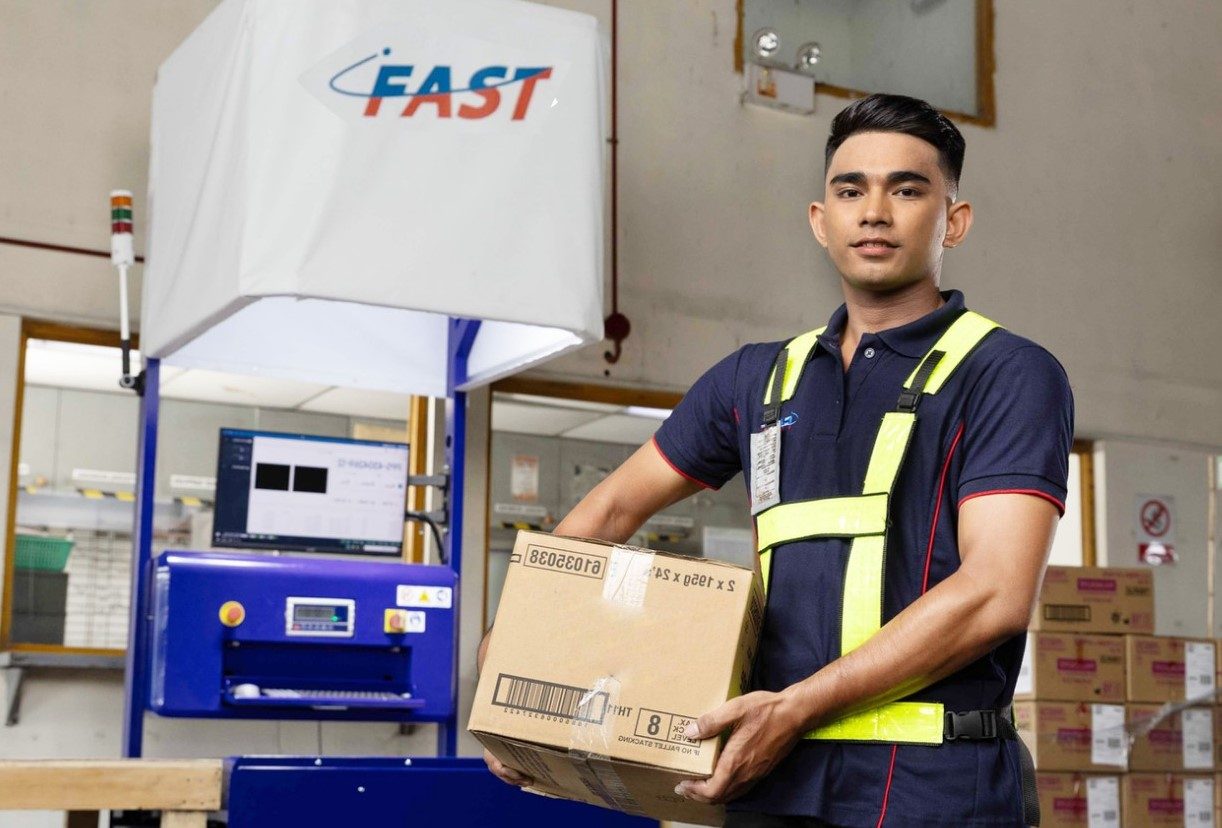
The Philippine logistics sector is transitioning into a new era of AI-enabled logistics and digital innovation. Global surveys suggest roughly three-quarters of large supply chains now use AI or advanced analytics in at least one function. Philippine companies and logistics providers like FAST have followed suit, making these technologies key enablers of growth and operational efficiency.
Digital systems and AI-powered tools such as Warehouse Management System (WMS) and Transport Management System (TMS) are becoming more popular among 3PL or 4PL companies. These tools include barcode systems, real‑time track and trace, and unified data platforms for shipment visibility and efficiency. AI and web-based platforms in particular are gaining traction because they allow companies — including micro, small, and medium enterprises (MSMEs) — to gain real-time visibility, scale operations fast, centralize data, and coordinate across multiple hubs without heavy upfront investments.
FAST Logistics Group operates across Luzon, Visayas, and Mindanao and utilizes AI and digital tools to improve efficiency and build resilience against disruptions. It runs Honeywell’s WMS across a national network of warehouses and has invested in AI tools for routing and real-time visibility. These advanced systems help unlock the agility required to meet rising demand and customer expectations in 2026 and beyond.
Speed and Reliability as Core Selling Points
Consumer expectations for speed and reliability have never been higher. Same-day delivery, once a premium service, is now a standard expectation in urban centers. Brands will demand shorter lead times, better forecasting, and fewer stockouts, particularly during peak seasons.
To stay competitive, companies must prioritize logistics efficiency and invest in faster, more reliable delivery systems. Those that can consistently meet high-speed expectations while controlling costs will thrive in the market.
Massive Demand for Last-Mile Delivery
About three-quarters of Filipinos were online at the start of 2024, according to recent digital adoption reports. In addition, the Philippines’ e‑commerce market is estimated at around USD 17.65 billion in 2025 and is projected to nearly double by 2030, according to Mordor Intelligence. This made on-demand last-mile delivery a critical component of business operations.
Consumers increasingly expect fast, reliable, and convenient deliveries directly to their homes, forcing companies to rethink their distribution strategies.
Key urban cities such as Metro Manila, Cebu, Davao, Bacolod, Iloilo, and Cagayan de Oro have become major hubs of online shopping activity. Partnering with a logistics provider with a wide network and regional presence will be advantageous to reach customers in these areas.
“Last-mile delivery is where logistics meets the consumer,” Manny explains. “Strategic placement of inventory and optimized routes are the difference between growth and missed opportunities in last-mile delivery.”
Consolidation and Co-Loading to Optimize FMCG Logistics
FMCG remains one of the most logistically demanding sectors due to high volume, short shelf life, and rapid replenishment cycles. To mitigate inflationary pressures, more brands are shifting from full-truckload dispatches to consolidated shipping.
In its work with leading FMCG companies, FAST has seen a decisive shift toward shipment consolidation and co-loading among complementary brands, crossdock operations that move goods quickly through regional hubs, less-than-truckload (LTL), and less-than-container load (LCL) models that allow more frequent but smaller drops. When done right, FAST analysis shows that FMCG companies can save up to 32% on delivery costs compared with traditional direct to store shipping.
“Strategic shipment consolidation is a powerful lever for both cost efficiency and sustainability, especially as an alternative to direct-to-store deliveries,” says Manny.
RoRo Shipping to Gain More Momentum, Strengthen Inter-Island Connectivity
In an archipelago like the Philippines, RoRo (roll on/roll off) shipping is the backbone that links production and consumption. RoRo allows trucks to board vessels directly, eliminating repeated loading and unloading at each port—a critical advantage for heavy, bulky cargo. As more brands push into the Visayas and Mindanao, RoRo will become even more central to their distribution strategies.
FAST’s multi-port access and robust RoRo operations are designed to keep cargo moving even when a major bridge or port is constrained, giving shippers more options under pressure.
Forward Stocking as Strategic Necessity
Typhoon Tino and Super Typhoon Uwan in Q4 2025 proved that lean inventory models are risky in a geographically fragmented country. Many companies ran out of stock not because supply was unavailable, but because inventory wasn’t close enough to the market during disruptions.
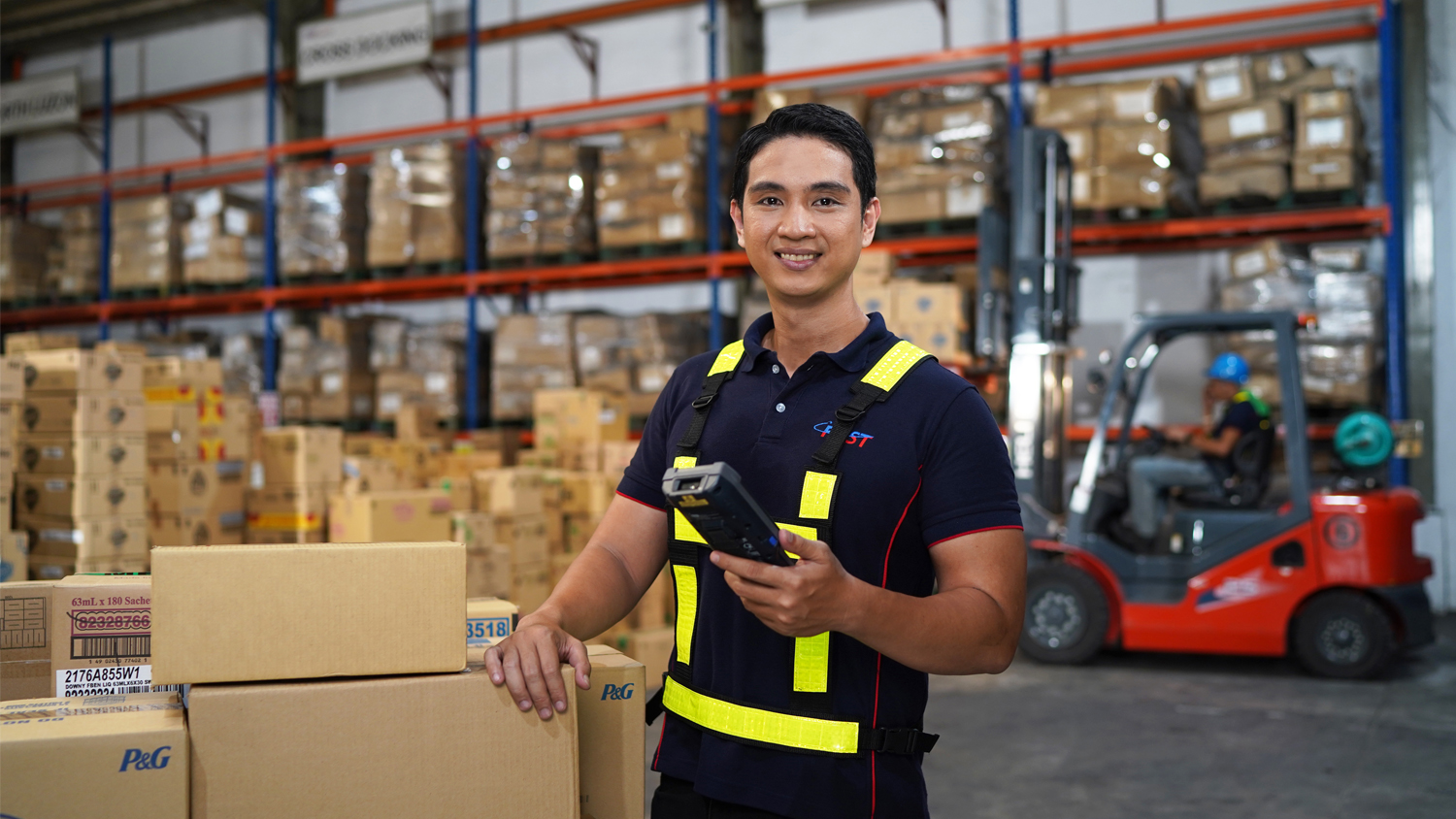
Forward stocking is now a resilience strategy rather than a backup plan. 2026 will see increased investment in strategic regional distribution hubs, particularly for FMCG, pharmaceuticals, and home care. FAST’s nationwide warehousing footprint and cross-dock solutions across 94% of provinces enable brands to position inventory closer to consumers for faster recovery and uninterrupted availability.
Sustainability Still Feels Expensive, But Mindsets Are Shifting
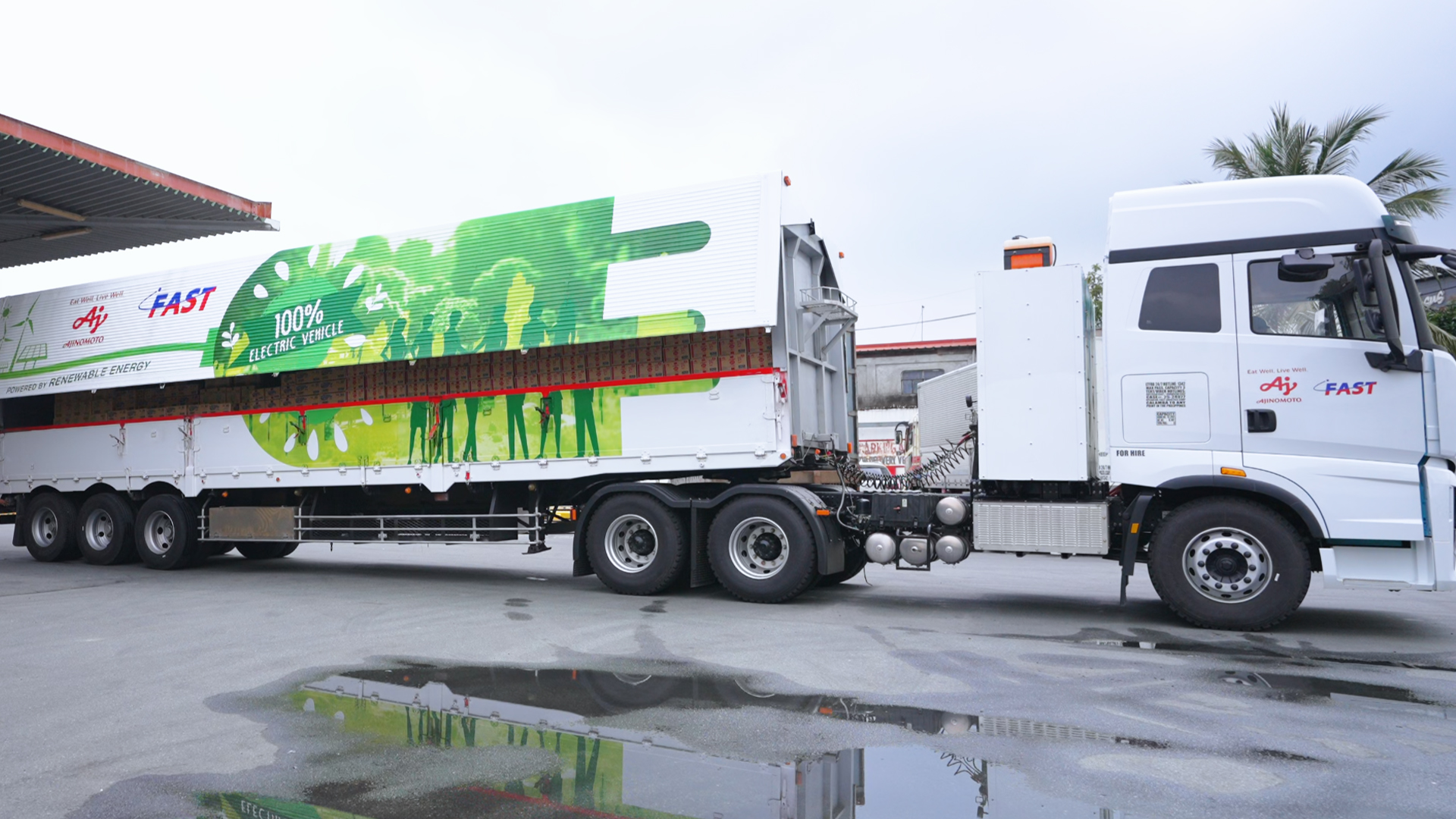
Green logistics is still perceived as costly, but 2026 marks a turning point: sustainability is now a key differentiator, as more companies commit to lowering their carbon footprint or achieving net-zero emissions by 2050. As a result, FAST anticipates an expansion of “green lanes,” as well as bigger investments in fully electric vehicles, solar-powered warehouses, and waste reduction initiatives.
FAST has the infrastructure, experience, and expertise to help companies implement comprehensive green logistics solutions and achieve their sustainability targets. FAST can also help them gradually integrate sustainable logistics solutions into their supply chain without compromising efficiency or reliability.
In 2025, FAST launched its ESG Strategy and Net Zero by 2050 commitment, reinforcing its long-term sustainability vision and aligning company operations with global climate goals and responsible business standards. The industry leader bagged the Sustainability and Green Logistics Award at the inaugural edition of the SCMAP Supply Chain Philippines Excellence Awards.
Growing Need for Skilled Warehouse and Logistics Personnel
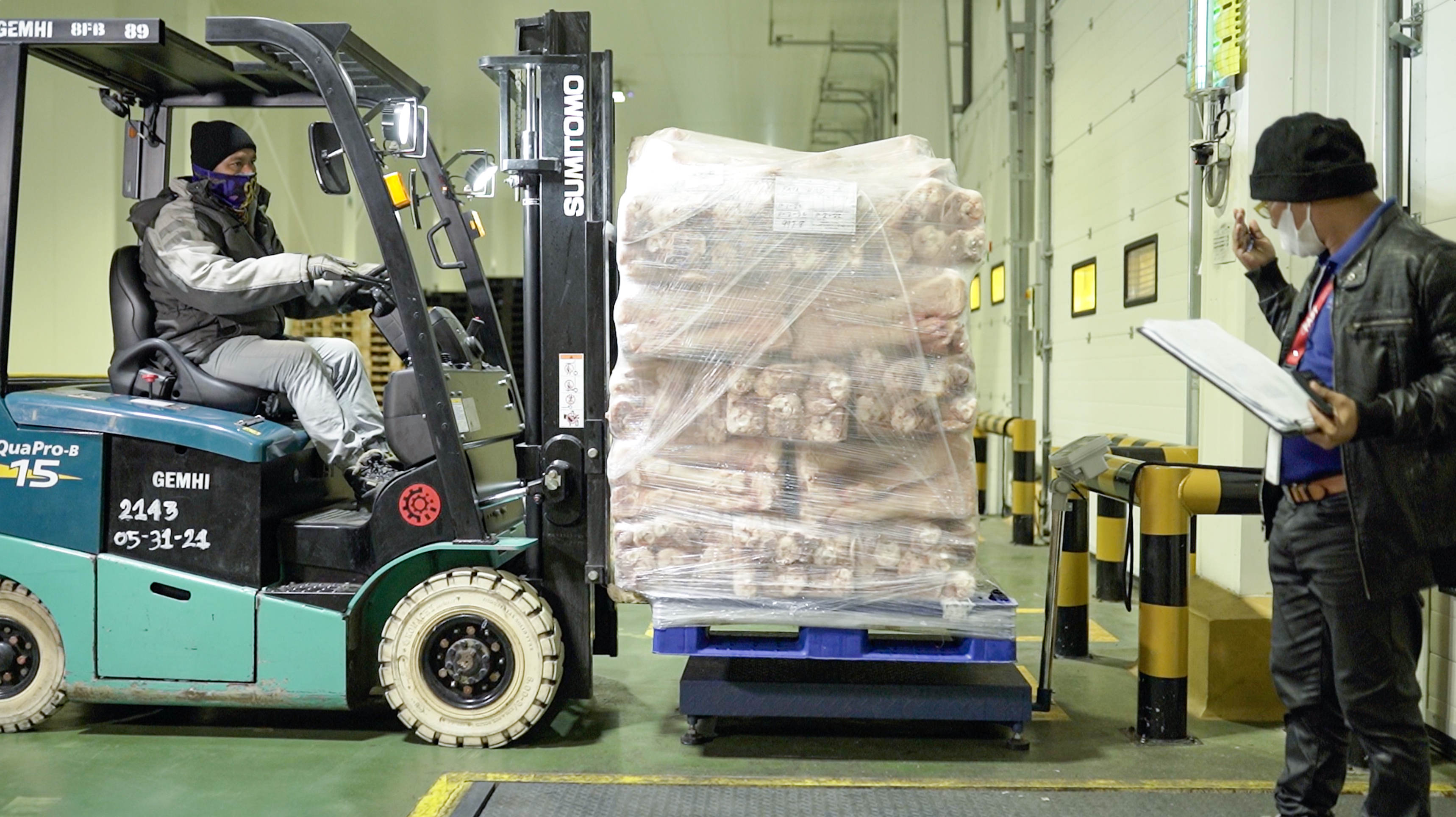
Talent may be the industry’s most critical resource in 2026. To meet the growing demand in Philippine logistics, the industry needs more skilled warehouse staff, forklift drivers, inventory managers, truck drivers, cold chain specialists, and IT-enabled logistics personnel. Companies will require a mix of digital and human-centric skills, including strong AI literacy.
This signals an industry-wide trend: logistics growth depends on the workforce. Businesses that invest in training and upskilling will gain a competitive advantage. FAST is already accelerating talent development through its Learning and Innovation Hub and targeted training programs.
“Investing in talent is investing in resilience,” says Manny. “No amount of infrastructure can replace skilled personnel who can adapt, innovate, and maintain operational continuity under pressure.”
2026: A Year for End-to-End Logistics, Not Silos
In 2026, customer expectations will push companies to adopt more strategic supply chain approaches emphasizing product availability, operational efficiency, and cost optimization. The upcoming year challenges all of us to work harder to meet the evolving needs of our most discerning clients and partners.
At the same time, 2026 presents significant opportunities for multinational companies, leading conglomerates, and small and medium-sized enterprises to accelerate growth through smart supply chain strategies.
Businesses thus need to rethink logistics not as a set of siloed services but as an integrated ecosystem. They need a trusted end-to-end logistics partner that can provide visibility, flexibility, and scalability across every stage of the supply chain.
The companies that will succeed are those that integrate warehousing, transport, cold chain, and technology into a single, agile ecosystem, rather than relying on multiple providers.
FAST Logistics Group: Top Logistics Provider in the Philippines
For companies planning their next move in the Philippines—whether expanding into new regions, strengthening last‑mile coverage, or hardening their supply chains against the next Supertyphoons Tino or Uwan—the imperative is the same: treat logistics as strategy, not afterthought.
FAST is committed to helping businesses navigate the competitive market through end-to-end logistics solutions, spanning warehousing, cold chain, crossdocking, and transportation via inland trucking, RoRo, sea freight, and air freight — designed for real-time visibility and scalability.
With over 50 years of experience, FAST operates the country’s largest warehouse footprint at over two million square meters and the most extensive trucking fleet with more than 3,100 units. Combined with best-in-class IT systems, FAST is equipped to help leading FMCG, retail, pharmaceutical, automotive, and agribusiness companies navigate rising costs, omnichannel demand, and climate-driven disruptions.
FAST Logistics Group is ready to help businesses prepare for the year ahead. Navigate 2026 with confidence through a free consultation from our Solutions Experts
Categories
-
FAST Ahead
Includes case studies and testimonials of our partners as well as other featurettes from industry experts
-

FAST Hacks
We simplify logistics terms and provide practical tips and solutions for the DIY in you
-

FAST Highlights
Know more about our history, various brands, achievements, and news updates
-

FAST Moments
Get to know the people of FAST, our employee programs, as well as our various ways of giving back to the community
-
FAST Solutions
Learn more about the various logistics solutions that we cater to and offer our clients, as well as tech innovations, and service facilities
Related Stories
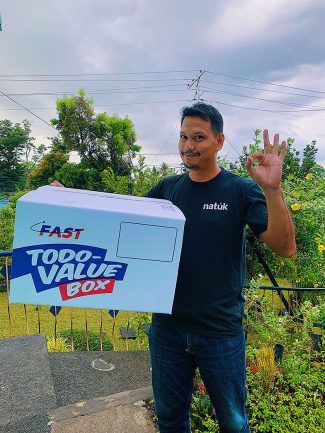
How to Package and Distribute Your Food Products: Expert Advice from an Up-and-coming Local Entrepreneur | Natuk
Arnold Lasay from Natuk gives his tips on shipping perishable food products effectively and efficiently. Discover the best practices for packaging, labeling, and distributing your food products. People in the food busine...
FAST Logistics Expands Nationwide 3PL Network with Davao Logistics and Crossdock Mega Hub
FAST Logistics Group, the leading third-party logistics (3PL) provider in the Philippines, opened the FAST Davao Logistics and Crossdock Mega Hub to boost its capacity to deliver faster and more reliable supply chain sol...
VAS for Every Industry: Different Kinds of Businesses in the Philippines that Need Value-Added Services
FAST Logistics Group, the Philippines’ premier end-to-end logistics company, highlights how Value-Added Services contributes to the success of both logistics companies and the businesses they serve. There’s one c...

FAST Logistics Group is the leading end-to-end logistics and supply chain solutions provider in the Philippines. With over 50 years of industry leadership, we offer a comprehensive suite of services including multi-modal transportation, warehousing, cross-docking, cold chain, and toll manufacturing solutions.
© Copyright 2026 FAST Logistics