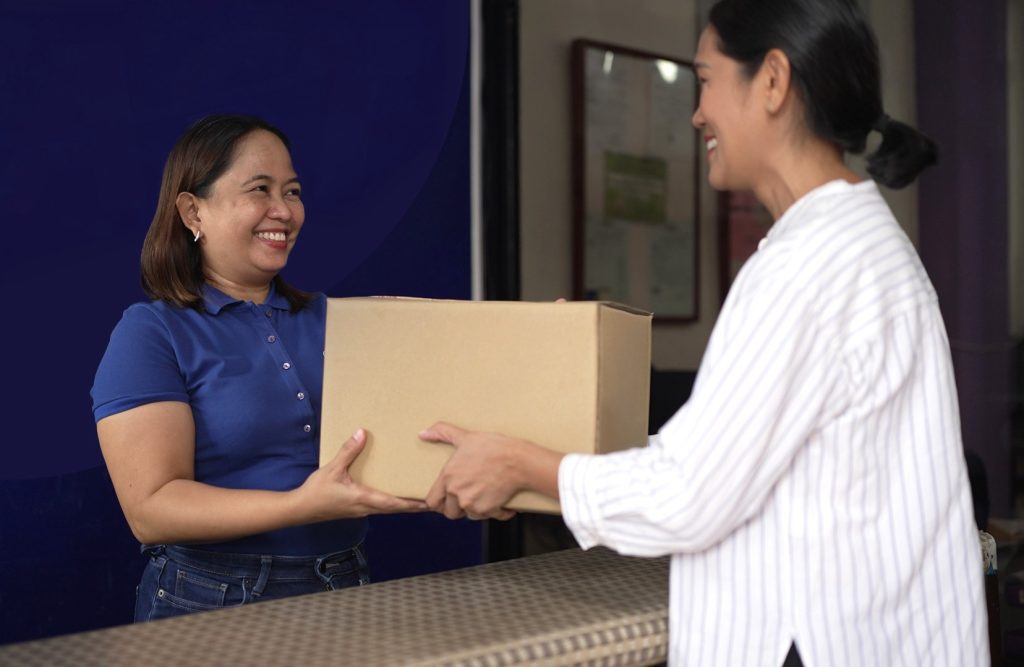
Micro, small, and medium enterprises (MSMEs) in the Philippines commonly ship products outside their towns or provinces, so packaging must be treated as a core business requirement to reduce shipment losses.
Entrepreneurs send their products to major cities, trade fairs, retail partners, and customers. These shipments may happen on a fixed schedule or whenever orders come in. Because products travel long distances and pass through multiple handling points, businesses must adopt smart packaging strategies to avoid cargo damage or loss.
Packaging refers to any material or layer used to wrap or contain a product for protection, transportation, and presentation. Smart packaging is not just about appearance. It is mainly about protection, stability, and control throughout the shipping process.
With poor packaging, MSME products are at greater risk of damage when shipments pass through multiple freight forwarders or logistics partners. Bottled items, perishables, electronics, handicrafts, and bulky goods are particularly vulnerable to impact, moisture, and crushing.
From a logistics perspective, smart packaging helps businesses:
- Prevent damage and cargo loss by protecting products against impact and pressure
- Keep products stable and secure throughout loading, transport, and unloading
- Reduce exposure to moisture and environmental factors
- Lower shipping costs by using right-sized and lightweight materials
- Improve customer experience, leading to stronger brand trust and repeat orders
When packaging and logistics work together, products arrive in good condition.
Different products require different packaging solutions. Understanding this is the first step to protecting your business.
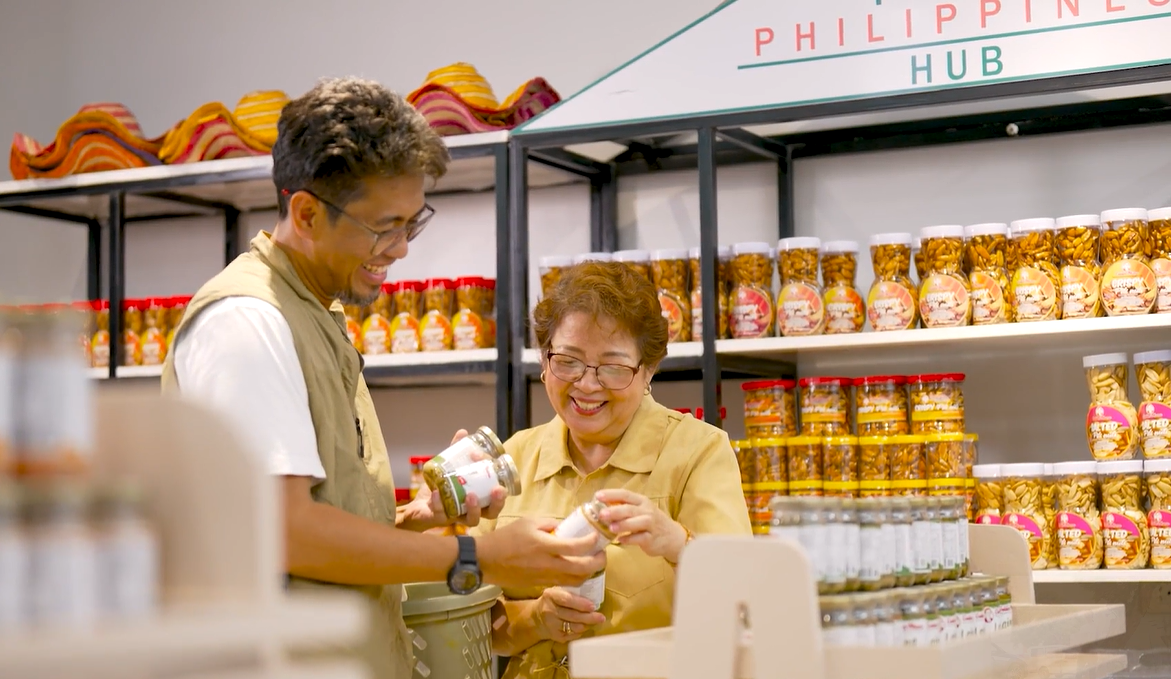
Common Types of Packaging and Their Uses
Each packaging type serves a specific purpose depending on the product’s weight, fragility, and storage requirements.
- Folding cartons – Commonly used for lightweight items for retail display
- Corrugated boxes – Durable and designed to withstand stacking during long-haul trips
- Rigid boxes – Used for luxury goods or high-value items since they provide premium presentation and strong protection against impact
- Shopping bags – For wearables and homestyles designed mainly for short transport
- Tin containers – Used for tea and candles since they are protective against moisture
Choosing the correct packaging type ensures both protection and cost efficiency.
Smart Packaging Tips by Product Type
Packaging requirements vary depending on what you are shipping. Here are some packaging tips based on product category.
Dry Goods
- Use sturdy corrugated boxes or airtight containers
- Seal packages properly with strong tape to prevent tampering
- Avoid overpacking, as excessive weight can weaken the box
- Store in a dry environment before dispatch
Fragile Items
- Clearly label boxes with “FRAGILE”
- Wrap each item in bubble wrap or foam sheets
- Fill empty spaces with crumpled paper, cardboard, or air pillows
- Use strong, properly sized double-wall boxes when needed
- Shake the box gently before sealing to ensure nothing inside moves
- Include contact details inside the package in case the labels are damaged
Perishable Goods
- Use clean, food-safe, and tamper-proof materials
- Consider insulated packaging for temperature-sensitive items
- Crates are often preferred for added protection and ventilation
- Control moisture to prevent spoilage
Irregularly Shaped Items
- Wrap securely with bubble wrap or foam
- Use custom inserts when possible
- Fill all gaps inside the box
- Mark packages with “FRAGILE,” “THIS SIDE UP,” or specific handling instructions
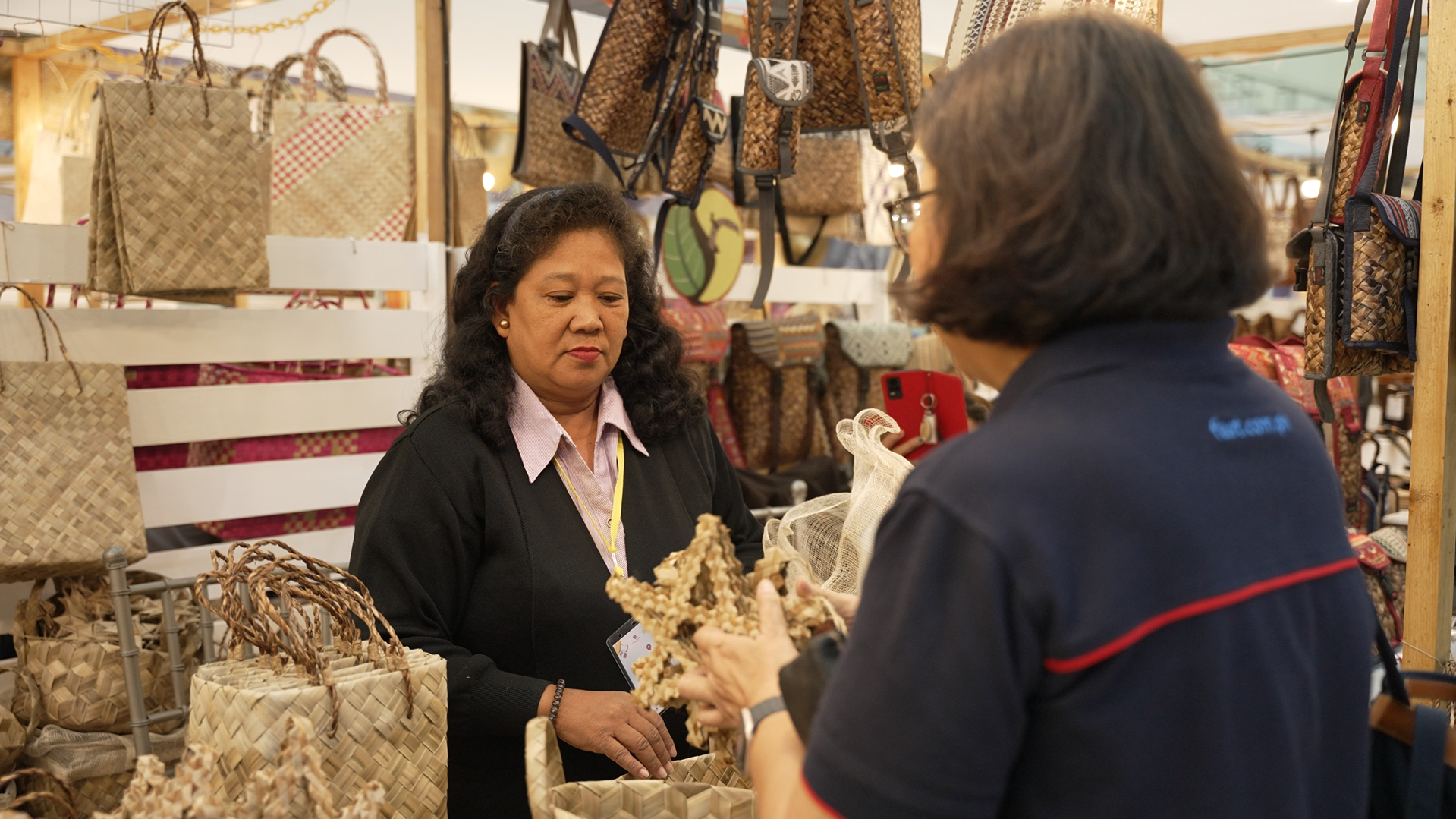
Best Practices in Product Packaging: What You Need to Do Before Shipping
Regardless of product type, certain best practices apply to all shipments. Here are some of them.
Choose the Right Box
Double-wall corrugated boxes are ideal for fragile items and long-distance shipments because they provide added strength.
Businesses should note that the box should be only slightly larger than the item. There must be enough space for protective padding, but no unused empty space. Fill all gaps with dunnage such as crumpled paper, air pillows, and foam inserts.
Use Adequate Cushioning
Cushioning absorbs shock during transport. Use enough bubble wrap, foam, or air pillows to keep items secure. Proper cushioning prevents vibration damage, which is common during long-haul trips.
Use High-Quality Packing Tape
Strong sealing prevents accidental opening during transit. A poorly sealed box can break open while being handled, stacked, or transported, putting the contents at risk of damage or loss.
To ensure proper sealing, secure all seams firmly with high-quality packing tape. Tape the center line of the box where the flaps meet, and reinforce the corners and edges for added strength. Before dispatch, inspect the box carefully for weak spots, loose flaps, or small openings that may widen during transport.
Secure sealing protects shipments from both tampering and structural failure. A well-sealed box keeps products intact, maintains package integrity, and reduces the risk of costly claims or customer complaints.
Wrap Fragile Items Separately
Multiple items in one box increase the risk of collision during transit. Wrap each item individually before placing them together. If possible, use dividers or compartments to separate products. Individual wrapping reduces breakage and customer complaints.
Find a Logistics Partner with Cargo Insurance
Cargo insurance protects your profit when shipping risks happen. With cargo insurance, businesses get a practical safety net for shipments. If something goes wrong in transit — damage, loss, or mishandling — entrepreneurs are covered financially. It also gives you peace of mind, so you can ship more confidently, accept bigger orders, and focus on growing your business instead of worrying about what might happen on the road.

Choosing the Right Logistics Partner for MSMEs
Packaging is only one part of the equation. Your logistics partner also plays a critical role in protecting your products from pickup to delivery. When choosing a provider, look beyond pricing and consider the capabilities that directly reduce risk and support growth. Here are some qualities you must capabilities you must consider.
Experience in Handling Diverse Goods
Filipino MSMEs produce a wide range of products — from food and beverages to fashion and handicrafts. A reliable logistics partner understands the specific handling requirements of different cargo types, including fragile and temperature-sensitive goods. Experience reduces operational risk.
Nationwide Coverage
Strong nationwide reach ensures efficient product movement across the Philippines. Broad coverage minimizes transit delays, expands market access, and supports business growth in new regions. It also enables more consistent service levels, especially when shipping to provincial areas where delivery conditions can vary.
Advanced Tracking Systems
Visibility strengthens control. A reputable logistics provider offers real-time tracking that allows you to monitor shipments from pickup to delivery.
Tracking systems help MSMEs stay informed about shipment status, proactively address delays, and keep customers updated about lead time. Buyers who are informed about the status of their shipment are more likely to be satisfied and make repeat purchases.
FAST Logistics Group: Trusted Partner of MSMEs in Product Shipping
Smart packaging is a business investment. It reduces damage, controls costs, protects your brand, and strengthens customer trust with every successful delivery.
But smart packaging works best when it is backed by the right logistics partner with the right systems, coverage, and handling discipline.
With FAST Logistics Group, Filipino MSMEs get end-to-end support designed for small businesses, including reliable handling, advanced trucking systems, and nationwide coverage. FAST is committed to ensuring products arrive safely and in peak condition, supported by process controls that reduce transit risks. And if goods are damaged during transit despite these precautions, FAST compensates MSMEs through cargo insurance coverage—adding another layer of protection and peace of mind.
With over 50 years of industry leadership, FAST provides integrated, end-to-end logistics solutions spanning multi-modal transport, warehousing, crossdocking, cold chain, and toll manufacturing. It supports the logistics requirements of leading multinational companies, Filipino conglomerates, and MSMEs. Connect with our Solutions Experts to explore the best shipping options for your products.
Categories
-

FAST Ahead
Includes case studies and testimonials of our partners as well as other featurettes from industry experts
-

FAST Hacks
We simplify logistics terms and provide practical tips and solutions for the DIY in you
-

FAST Highlights
Know more about our history, various brands, achievements, and news updates
-

FAST Moments
Get to know the people of FAST, our employee programs, as well as our various ways of giving back to the community
-
FAST Solutions
Learn more about the various logistics solutions that we cater to and offer our clients, as well as tech innovations, and service facilities
Related Stories

FAST, DSWD IV-A Seal Partnership to Provide Jobs for 4Ps Beneficiaries
FAST Logistics Group, the country’s leading end-to-end logistics provider, has signed a Memorandum of Agreement (MOA) with the Department of Social Welfare and Development (DSWD) Region IV-A to open employment opportun...
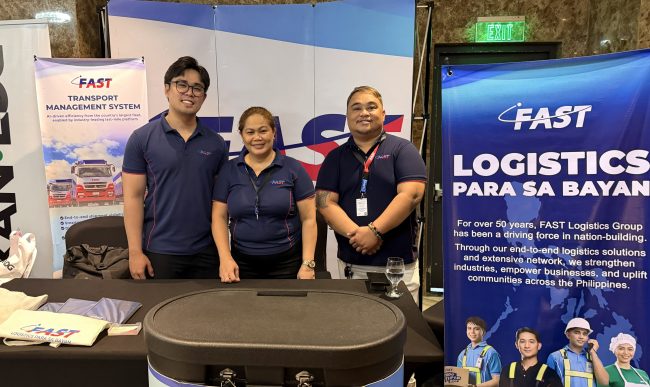
FAST Showcases End-to-End Logistics Solutions at 2026 Transport Summit by SCMAP Visayas Chapter
FAST Logistics Group reinforced its commitment to serve businesses in Cebu and across the Visayas as it showcased its end-to-end solutions at the 2026 Transport Summit organized by the Supply Chain Management Association...

From Risk to Resilience: How FAST Logistics Group Builds a More Cost-Efficient and Resilient Supply Chain Through Renewable Energy and Technology
FAST Logistics Group, the Philippines’ leading third-party logistics (3PL) provider, highlighted the need for businesses to build smarter, more energy-efficient, and more resilient supply chains amid geopolitical tensi...

FAST Logistics Group is the leading end-to-end logistics and supply chain solutions provider in the Philippines. With over 50 years of industry leadership, we offer a comprehensive suite of services including multi-modal transportation, warehousing, cross-docking, cold chain, and toll manufacturing solutions.
© Copyright 2026 FAST Logistics