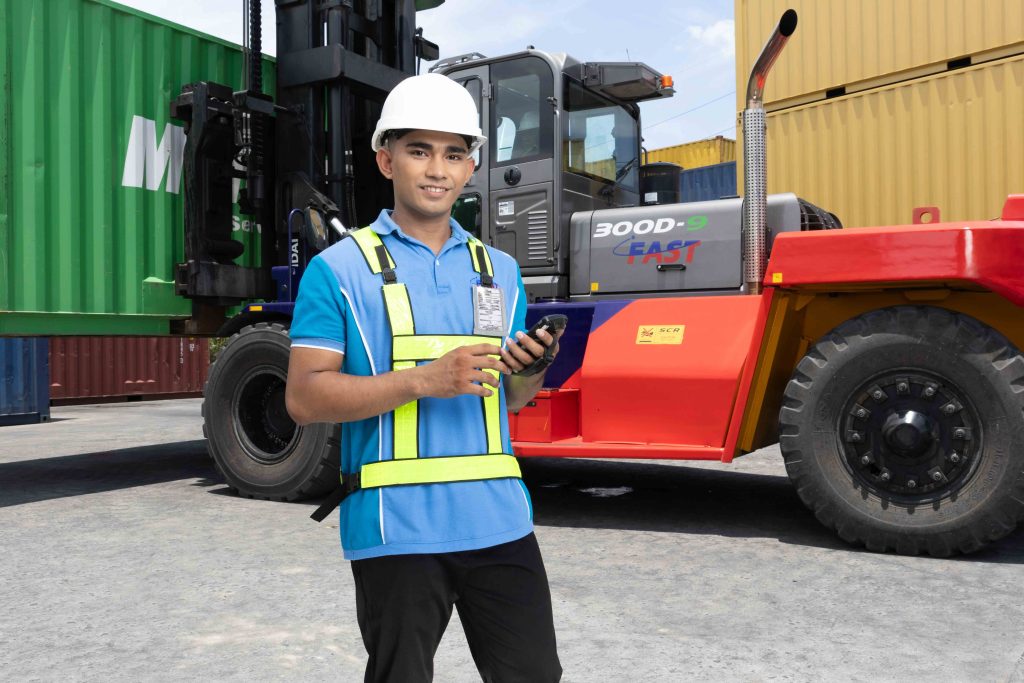
Hotel and hospitality logistics refers to the specialized management of the movement, storage, and availability of the products, equipment, and supplies that hotels, resorts, restaurants, and other hospitality businesses need to operate.
Reliable logistics solutions for hotels, restaurants, and resorts help ensure that linens, toiletries, food ingredients, equipment, and other hospitality supplies are available at the right time to support efficient operations and a high-quality guest experience.
In the Philippines, managing hospitality logistics can be particularly complex. Hotels and resorts may need to coordinate deliveries from suppliers to properties nationwide and ensure the timely delivery of hospitality supplies and equipment. Hospitality logistics also involve managing perishable products and supporting property openings, renovations, and seasonal demand.
This guide explains the key concepts, logistics requirements, challenges, and solutions involved in hotel and hospitality logistics in the Philippines. It is designed for supply chain professionals seeking to support businesses in the hospitality sector.
Key Takeaways
- Hotel and hospitality logistics covers the movement and management of Furniture, Fixtures, and Equipment (FF&E), Operating Supplies and Equipment (OS&E), food and beverage supplies, and other operating requirements
- Hospitality logistics must balance availability, timing, product quality, cost, and delivery requirements
- FF&E logistics is particularly important during hotel construction, renovation, and property openings
- OS&E logistics requires reliable inventory replenishment because these supplies are essential to daily hotel operations
- Food and beverage logistics requires appropriate handling, transportation, and storage, particularly for temperature-sensitive products
- Hotels and resorts operating across the Philippines may benefit from multimodal transportation, strategically located warehouses, and last-mile delivery
- An integrated logistics provider can help hospitality businesses simplify complex movements by combining multiple logistics capabilities under one supply chain partner
- FAST Logistics Group provides integrated, end-to-end logistics and supply chain solutions designed to support businesses across the Philippines
What Is Hotel and Hospitality Logistics
Hotel and hospitality logistics refers to the planning and execution of supply chain activities required to move products and materials to hospitality establishments.
Hospitality logistics often involves a diverse range of products with different handling, storage, timing, and delivery requirements.
These may include:
- Furniture
- Fixtures
- Hotel room equipment
- Linens and towels
- Toiletries and guest amenities
- Cleaning supplies
- Kitchen equipment
- Food ingredients
- Beverages
- Uniforms
- Office supplies
- Maintenance materials
- Promotional materials
Hospitality logistics needs to support both project-based and recurring supply chain requirements.
A hotel preparing for its opening may need to move large volumes of FF&E and OS&E within a defined project schedule. Similarly, a hotel undergoing renovation may need to coordinate inbound equipment, replacement furniture, construction-related materials, and the removal or redistribution of existing assets.
An operating hotel, on the other hand, requires the continuous replenishment of consumables and other supplies.
What are FF&E and OS&E in Hotel Logistics
Two important terms in hospitality supply chains are FF&E and OS&E.
Understanding the difference helps hotels determine the appropriate logistics, inventory, and delivery requirements for each category.
What Is FF&E
FF&E stands for Furniture, Fixtures, and Equipment. These are generally durable items used to furnish and operate a hotel or hospitality property.
Examples include:
- Beds and bedroom furniture
- Sofas and lobby furniture
- Tables and chairs
- Carpets
- Lighting fixtures
- Television sets
- Kitchen equipment
- Laundry equipment
- Office equipment
FF&E logistics often involves large, bulky, or high-value items. A delay in delivering a critical piece of hotel equipment can affect the property’s construction or opening schedule.
Moving these items often requires careful scheduling and specialized handling, delivery, and installation, particularly during a new hotel opening or major renovation.
What Is OS&E
OS&E stands for Operating Supplies and Equipment. These are the supplies and equipment hotels need for their day-to-day operations and guest services.
Examples include:
- Bed linens
- Towels
- Toiletries
- Cleaning supplies
- Guest amenities
- Tableware
- Glassware
- Uniforms
- Small kitchen equipment
- Housekeeping supplies
Unlike many FF&E items, OS&E typically involves recurring demand. These items require strict inventory tracking so the hotel never runs out.
A hotel may consume or replace large quantities of these items every day, making inventory visibility and replenishment particularly important.
A shortage of towels, toiletries, cleaning supplies, or other items ultimately affects guest service.
What is Food and Beverage or F&B Logistics
F&B logistics involves managing the transportation, storage, and delivery of fresh produce, meat, seafood, beverages, frozen products, and pantry items. These products require timely delivery and appropriate handling to maintain quality and minimize waste.
F&B logistics may also require temperature-controlled transportation and storage. This is where integrated cold chain solutions can help hospitality businesses maintain product quality and safety throughout the supply chain.
Common Logistics Solutions for Hotel, Restaurants, and Resorts
Hospitality businesses often require multiple logistics services to address different supply chain requirements. Some common solutions include:
1) Multi-Modal Transport
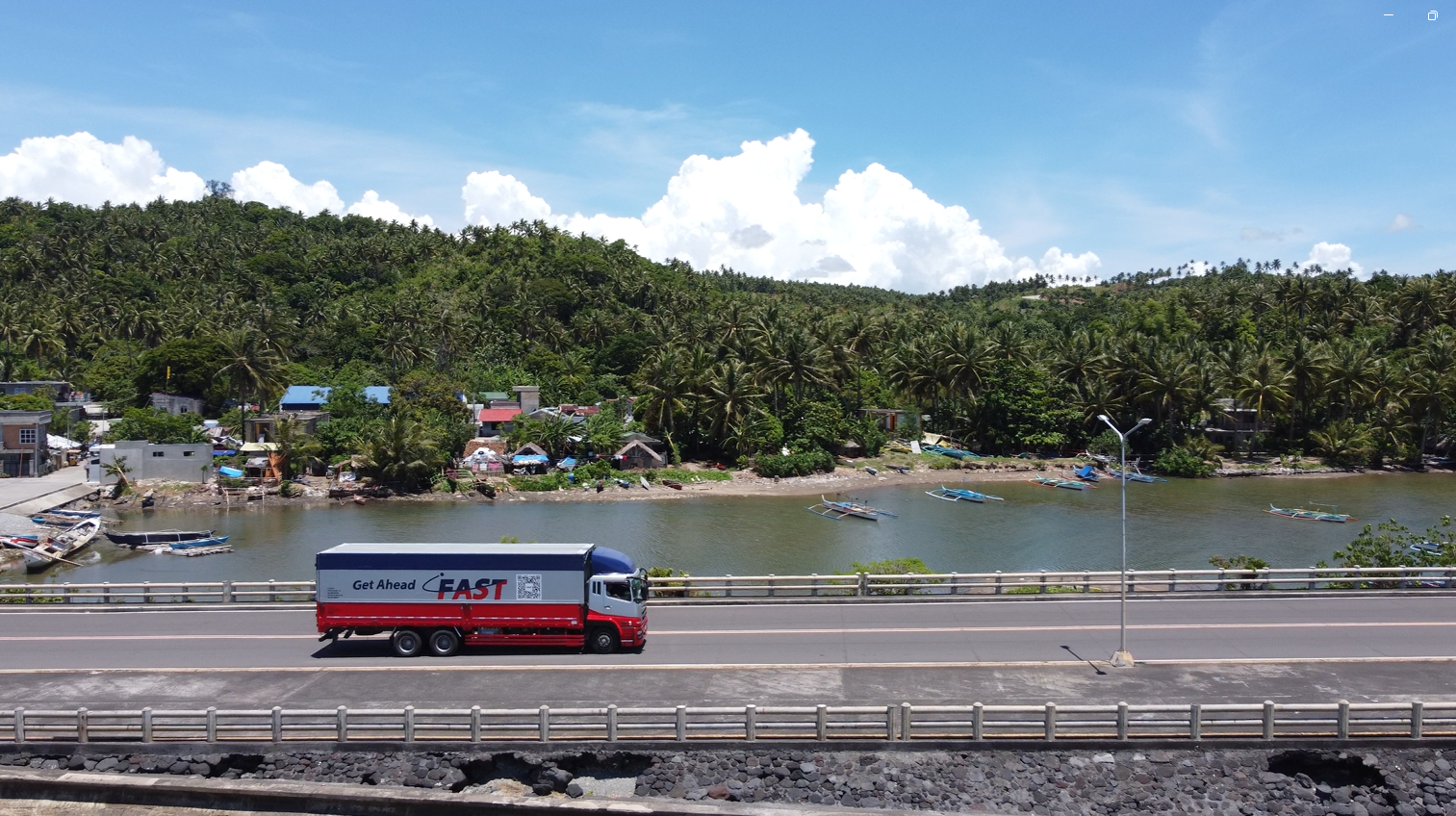
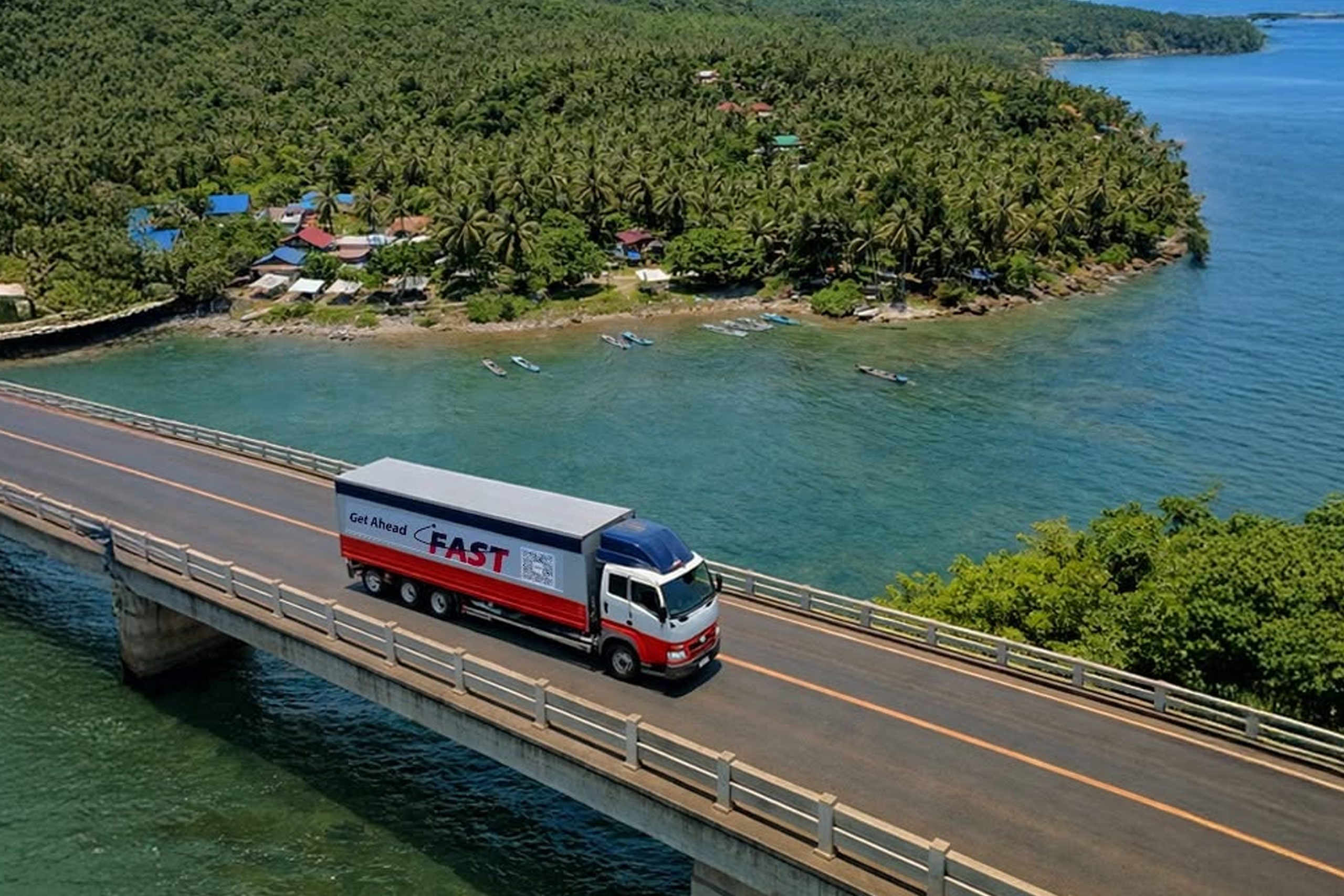
Philippine hospitality businesses may require different transportation modes: inland freight or trucking, RoRo shipping, sea freight, and air freight. Freight mode depends on the cargo’s origin, destination, characteristics, and lead time.
For example, supplies moving from Manila or Luzon provinces to a resort in the Visayas or Mindanao may require a combination of land freight and sea transportation or other transport modes. The logistics provider must coordinate the handoffs between transportation modes while maintaining shipment visibility.
2) Door-to-Door Delivery
Door-to-door logistics coordinates the movement of goods from the supplier or origin point directly to the hospitality property. This may include the timely pickup of goods from suppliers, coordination with the property’s operating hours and receiving schedules, and consideration of loading and unloading areas.
The logistics provider should therefore understand the property’s receiving procedures and site requirements before dispatching the shipment. Door-to-door delivery solution also involves the careful handling of goods through to the final destination.
3) Last-Mile Delivery
Last-mile delivery is particularly important in hospitality logistics because the final delivery may require more coordination than simply reaching the property.
For high-value or bulky FF&E, delivery planning may need to account for handling requirements, unloading procedures, access restrictions, and the property’s physical layout. Last-mile logistics ultimately ensures that supplies and equipment reach the hotel or the appropriate receiving area or department within the property.
4) Reverse Logistics and Asset Movement
Hotel renovations, property upgrades, and changes in operations require the movement of existing furniture, equipment, and other assets out of a property. Reverse logistics can help hotels coordinate the removal, return, transfer, storage, or redistribution of these items.
For example, a hotel may need to move usable furniture and equipment to another property, return equipment to a supplier, or transport damaged or obsolete items for appropriate disposition. Coordinating these movements as part of the overall logistics plan can help hotels manage their assets more efficiently, reduce unnecessary handling, and minimize disruption to ongoing operations.
5) Warehousing and Inventory Management
For hotel openings and renovations, a logistics provider can temporarily store FF&E and OS&E until the property is ready to receive them. Effective inventory management can also support operating hotels with the timely replenishment of recurring supplies and help reduce the risk of stockouts.
Strategically located warehousing can also help businesses position inventory closer to their properties and simplify distribution across multiple locations.
Importance of Logistics in Hotel, Restaurants, and Resorts
Here are some of the key ways effective logistics can support hospitality businesses:
1) Improves Guest Experience
Guests may never see the supply chain behind a hotel stay, but they experience its results. Clean linens, available toiletries, well-stocked restaurants, functioning equipment, and properly maintained facilities all depend on supplies being available when needed.
A reliable logistics operation helps hospitality businesses maintain these requirements and deliver consistent guest service.
2) Ensures Supply Availability
Hotels cannot afford frequent shortages of essential operating supplies.
A reliable replenishment process helps ensure that critical products are available when hotel departments need them, reducing the risk of operational disruptions and service delays.
3) Supports Hotel Openings and Renovations
Hotel openings and major renovations involve large volumes of products moving according to a defined project timeline. Furniture, fixtures, equipment, room supplies, kitchen equipment, and other materials must arrive when required to support installation and operational readiness.
Poor logistics coordination can create project delays, additional handling requirements, and higher costs.
4) Helps Control Operating Expenses
A logistics provider can help businesses negotiate freight rates, reduce waste, and avoid unnecessary inventory costs.
An integrated logistics strategy can also help businesses identify opportunities to consolidate shipments, optimize transportation, and position inventory more effectively.
5) Better Coordination and Operational Efficiency
Effective logistics improves coordination among purchasing, suppliers, transportation providers, and different hotel departments. Clear scheduling and communication help ensure that deliveries are received and distributed efficiently. This reduces confusion, prevents delays between departments, and allows daily operations to run more smoothly.
Key Challenges in Hotel and Hospitality Logistics
As hospitality businesses manage increasingly complex supply chains, several logistics challenges can affect efficiency, cost, and service quality. Here are some of them.
1) Seasonal Demand
Hospitality demand can change significantly depending on:
- Holidays
- Summer travel
- Long weekends
- Festivals
- Local tourism
- Conferences and events
Hotels and resorts may need additional inventory and transport capacity during peak periods.
Planning demand and logistics capacity ahead of these periods can reduce the need for costly last-minute shipments.
2) Perishable and Temperature-Sensitive Products
Food and beverage operations often require temperature-controlled transportation and storage.
Products such as meat, seafood, dairy, frozen products, and other perishables require appropriate handling throughout the supply chain.
Cold chain capability can therefore be an important consideration when selecting a logistics partner for hospitality F&B operations.
3) Bulky and High-Value Cargo
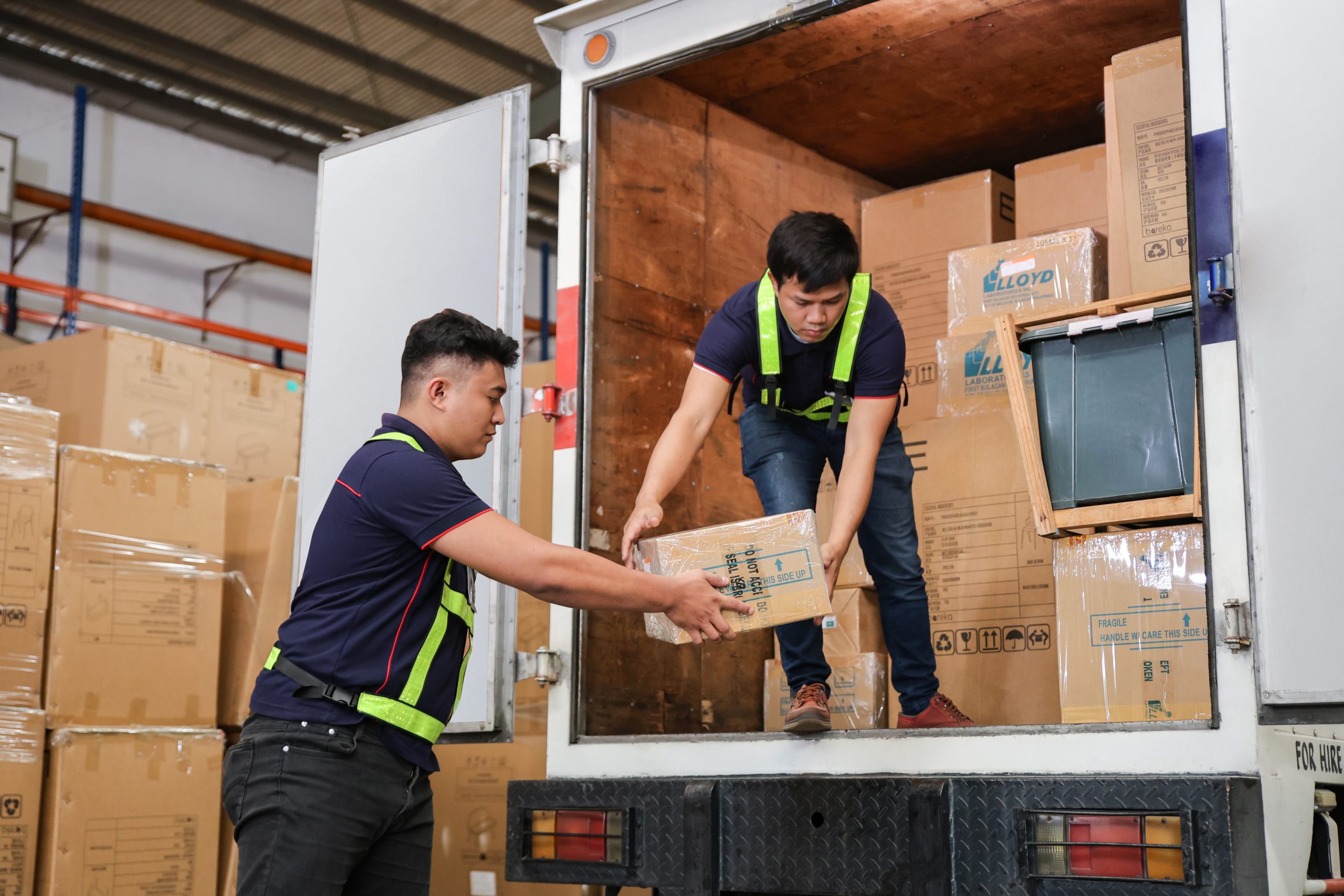
FF&E can include large, fragile, or high-value items.
Damage during transportation creates additional replacement costs and affects project schedules.
Appropriate handling, packaging, storage, transportation, and delivery planning are therefore important for FF&E logistics.
4) Multiple Suppliers
Hotel projects and operating properties may work with numerous suppliers. Managing individual deliveries from each supplier can create unnecessary complexity for the hotel team.
A logistics provider can help consolidate shipments and coordinate deliveries according to the property’s requirements, reducing the number of individual logistics activities the hotel needs to manage.
5) Tight Project Timelines
Hotel openings and renovations often operate according to fixed schedules.
A delay in one logistics activity can affect subsequent installation or operational activities.
This makes logistics planning an important part of hospitality project execution and helps ensure that critical materials and equipment arrive when they are needed.
FAST Logistics Group: Trusted Partner for Hotel and Hospitality Logistics in the Philippines
FAST Logistics Group provides end-to-end third-party logistics (3PL) and supply chain solutions for businesses across the Philippines. With more than 50 years of industry experience and a nationwide network covering 94% of the country’s provinces, FAST supports businesses across Luzon, Visayas, and Mindanao.
For hospitality businesses, this nationwide reach and integrated approach can help simplify the movement, storage, and distribution of supplies across multiple properties. FAST’s capabilities include multimodal transportation, warehousing, cold chain logistics, and technology-enabled supply chain management.
Here are some of the capabilities that make FAST a strong logistics partner for the hospitality sector:
Nationwide Coverage
Hotels, resorts, and restaurant groups operating across multiple locations need logistics solutions that can support their entire network. FAST’s operations across Luzon, Visayas, and Mindanao can help businesses coordinate the movement and storage of products across the country. Its nationwide coverage extends to 94% of Philippine provinces.
Integrated 3PL and Multimodal Transport
FAST connects multiple logistics services under one integrated supply chain solution. Its transportation capabilities include land freight or trucking, RoRo shipping, air freight, and sea freight, supported by warehousing and distribution capabilities. For hospitality businesses, integrating these services can reduce the number of logistics handoffs, simplify coordination, and provide greater flexibility when requirements change.
Warehousing and Inventory Management
Hotels and hospitality businesses may need to store FF&E and OS&E before delivery, replenish recurring supplies, or position inventory closer to properties and demand centers. FAST operates a nationwide warehousing network supported by a Warehouse Management System powered by Honeywell. Its warehousing solutions provide real-time inventory visibility and can support different storage requirements, including dry and cold storage.
Supply Chain Visibility
Hospitality businesses need to know where their inventory and shipments are, particularly when managing multiple properties or time-sensitive deliveries. FAST’s Warehouse Management System powered by Honeywell provides real-time inventory visibility, while its Transport Management System powered by FarEye supports shipment tracking, route optimization, and delivery management.
Expertise in Handling Different Types of Cargo
Hospitality businesses manage a wide range of products: recurring OS&E supplies, food and beverage products, and bulky or high-value FF&E for property openings and renovations. With more than 50 years of logistics experience spanning multi-modal transportation, warehousing, and cold chain logistics, FAST can support different cargo and supply chain requirements.
Support for Changing Business Requirements
No two hospitality businesses have exactly the same logistics requirements. Property locations, cargo types, delivery schedules, storage needs, and seasonal demand can all affect how a supply chain should operate. FAST provides scalable logistics solutions across transportation, warehousing, and distribution that can be tailored to different business requirements.
Connect with our Solutions Experts to learn how FAST Logistics Group can develop a logistics solution suited to your business.
Categories
-
FAST Ahead
Includes case studies and testimonials of our partners as well as other featurettes from industry experts
-

FAST Hacks
We simplify logistics terms and provide practical tips and solutions for the DIY in you
-
FAST Highlights
Know more about our history, various brands, achievements, and news updates
-

FAST Moments
Get to know the people of FAST, our employee programs, as well as our various ways of giving back to the community
-
FAST Solutions
Learn more about the various logistics solutions that we cater to and offer our clients, as well as tech innovations, and service facilities
Related Stories
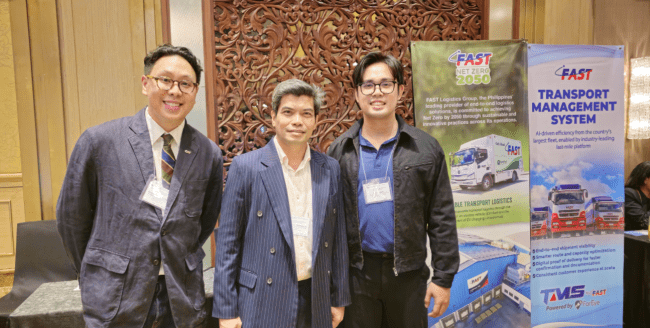
FAST Logistics Connects with US, Canada, Europe, Japan, and Korea Business Leaders at 21st Annual Joint Foreign Chambers Networking Night
FAST Logistics Group, the Philippines’ leading third-party logistics (3PL) provider, strengthened its engagement with the international business community during the 21st Annual Joint Foreign Chambers (JFC) Network...
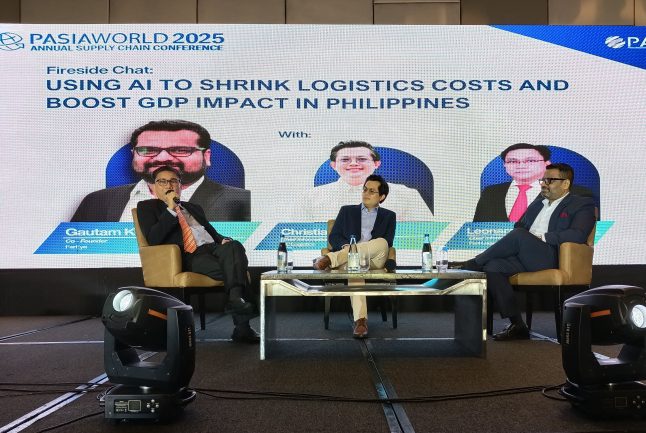
FAST Highlights Role of Tech, AI in Sustainable Logistics at PASIAWorld 2025 Conference
FAST Logistics Group, the Philippines’ leading end-to-end logistics provider, emphasized the critical need for greater visibility in transport logistics to enhance both efficiency and sustainability. During a panel dis...
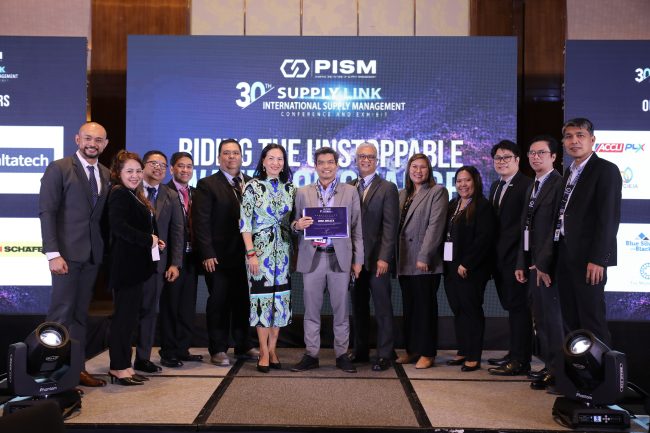
Future-Fitting the Philippine Supply Chain: Key Insights from FAST Logistics Group CEO Manny L. Onrejas Jr. and Cold Chain Operations Head Marc Anthony Dizon
FAST Logistics took part in the 30th Supply Link Conference and Exhibit, with presentations from FAST Logistics Group, CEO of Logistics Manny L. Onrejas Jr. and Cold Chain Operations Head Marc Anthony Dizon during Day 2 ...

FAST Logistics Group is the leading end-to-end logistics and supply chain solutions provider in the Philippines. With over 50 years of industry leadership, we offer a comprehensive suite of services including multi-modal transportation, warehousing, cross-docking, cold chain, and toll manufacturing solutions.
© Copyright 2026 FAST Logistics