Philippine businesses must prepare their supply chains long before weather alerts are raised. With more than 20 typhoons entering the country each year, enterprises need proactive strategies to ensure their products remain available and accessible on store shelves despite disruptions and halted movement of goods.
Strong typhoons cause infrastructure damage, suspend port and airport operations, and increase operational costs — from fuel and emergency rerouting to extended manpower hours. Building supply chain resilience is no longer optional. It must be developed through proactive planning, digital visibility, and strategic coordination.
FAST Logistics Group, the Philippines’ leading end-to-end logistics solutions provider, shares eight essential steps businesses must take before a typhoon to protect operations, manage costs, and maintain customer trust.
1. Pre-Position Inventory in Strategic Locations
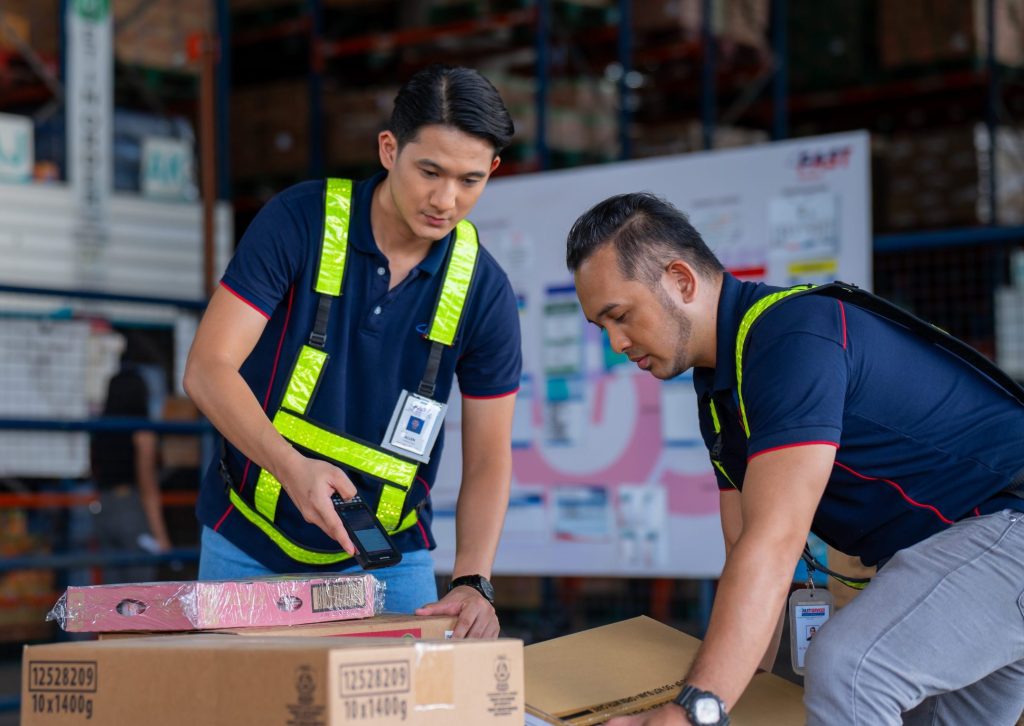
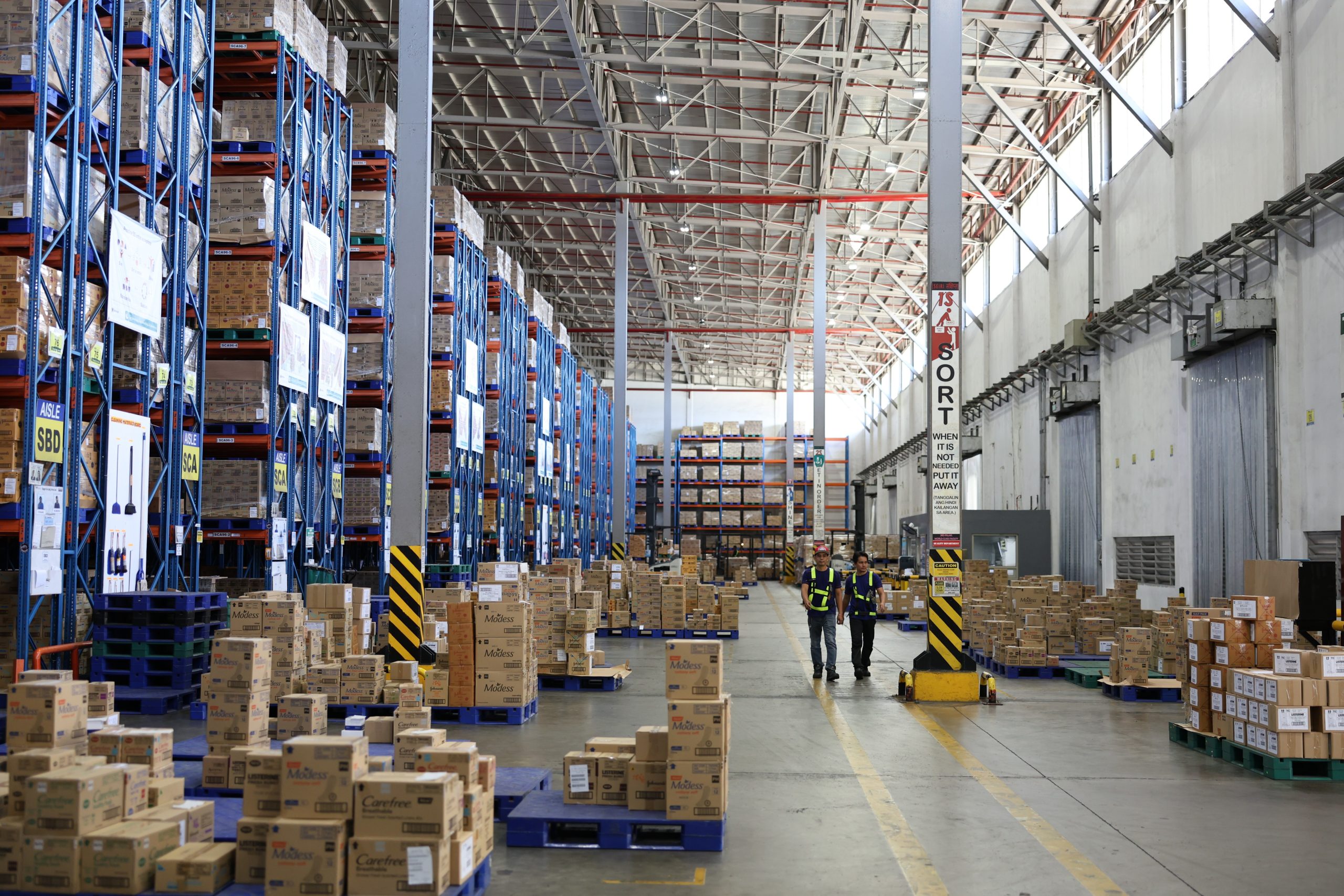
A forward stocking strategy involves shipping in bulk and pre-positioning inventory in strategic areas likely to be affected by typhoons. This ensures that critical products are already available in key distribution hubs before major transport routes are disrupted.
When ports close or highways become impassable, businesses with pre-deployed inventory can continue serving customers without waiting for replenishment from their main distribution centers. In an archipelagic country that relies heavily on multimodal connectivity, stable transport conditions are crucial. Based on FAST’s operational experience, one day of port closure can result in a three-day delay in sea freight or RoRo deliveries.
Forward stocking strategy reduces last-minute logistics decisions that often drive up transport and labor costs. Strategic buffer inventory stabilizes operations and protects revenue streams. More importantly, it ensures essential goods such as food, beverages, and personal care items remain accessible during and immediately after a storm.
2. Map Alternative Routes and Modes of Transport
Typhoons rarely impact all regions at the same time or with the same intensity. While one port may suspend operations, another may remain open. While certain highways flood, inland routes may still be accessible. Businesses must identify secondary gateways, backup trucking corridors, and alternative inter-island routes well before typhoon season peaks.
Transport flexibility also includes planning modal shifts when necessary—such as moving high-priority goods from sea freight to air freight. Establishing contingency pathways ahead of time prevents reactive scrambling and enables faster, more strategic decision-making when primary routes become unavailable.
3. Secure Real-Time Visibility Across Your Supply Chain
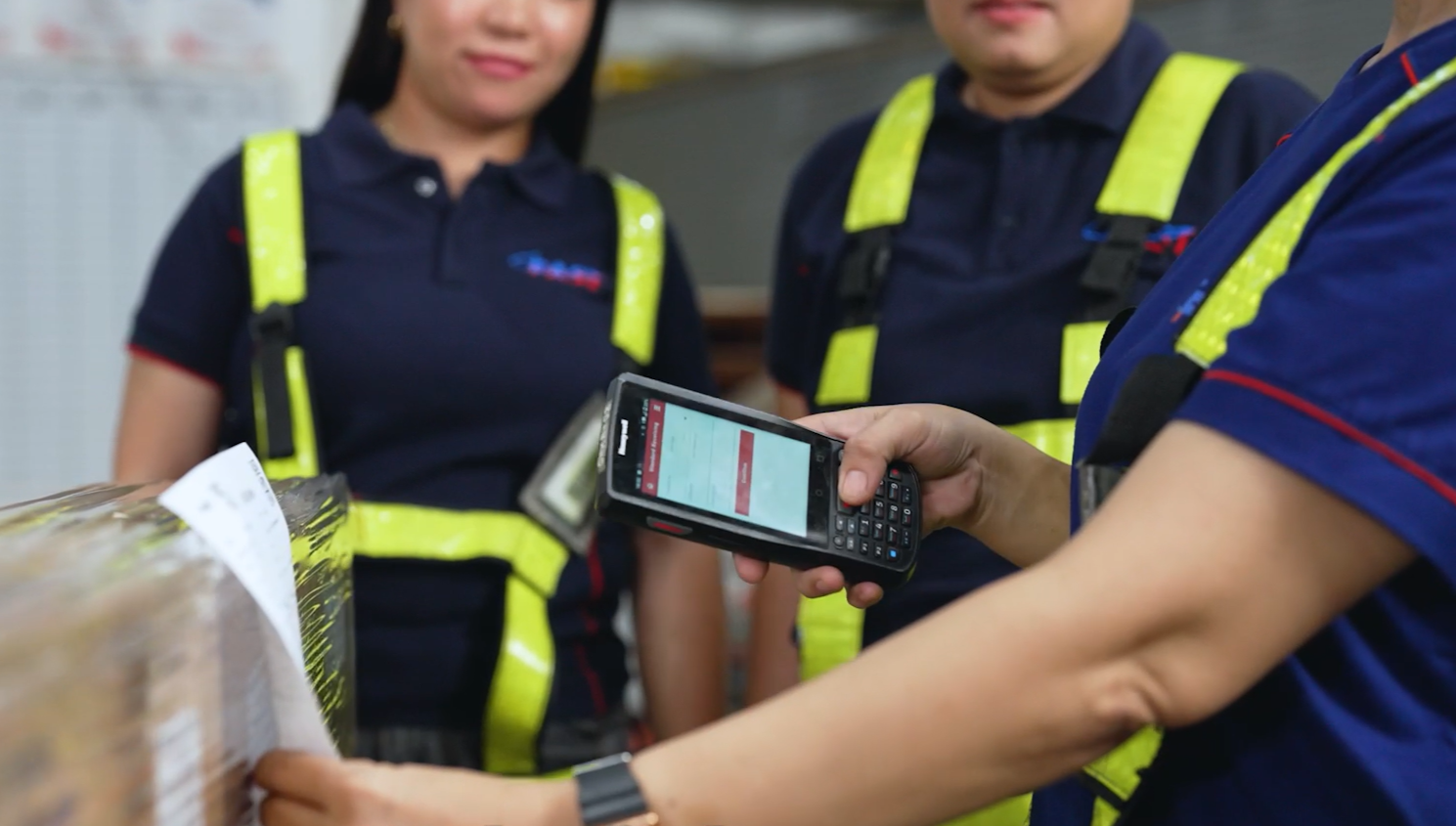
Real-time visibility is a cornerstone of resilience. Operating warehouses with a Warehouse Management System (WMS) enables accurate inventory monitoring, improved efficiency, and proper FIFO implementation to maintain product freshness. On the transport side, businesses should leverage Transport Management System (TMS) and shipment tracking tools to maximize truck utilization, manage route changes, and monitor shipment status in transit.
Advanced systems, such as Honeywell WMS and TMS platforms powered by providers like FarEye, enable better planning and predictive decision-making. End-to-end visibility allows operations teams to communicate updates quickly and confidently. This makes real-time data a game-changer in mitigating typhoon-related disruptions.
4. Stress-Test Inventory and Capacity Plans
Before a typhoon hits, companies should conduct scenario planning exercises to identify vulnerabilities in their supply chain. This includes evaluating safety stock levels, assessing whether warehouses can handle pre-storm inbound surges, and determining if labor resources can accommodate extended manhours.
Stress-testing also uncovers bottlenecks in throughput, equipment limitations, and regional inventory imbalances. Businesses may consider outsourcing logistics requirements to trusted Third-Party Logistics (3PL) or Fourth-Party Logistics (4PL) providers for additional warehouse space, fleet capacity, or expertise. Planning for these contingencies reduces downtime and prevents costly service failures during actual disruptions.
5. Protect Physical Infrastructure and Assets
Warehouses and transport assets must be physically prepared to withstand severe weather conditions. This involves inspecting drainage systems, reinforcing flood barriers, elevating sensitive inventory, and ensuring that vehicles and equipment are secured against strong winds and heavy rainfall.
IT infrastructure is equally critical. Backing up data, protecting servers, and ensuring power redundancy can prevent operational paralysis even if physical facilities are temporarily compromised. Preventive infrastructure measures significantly shorten recovery time and reduce the financial impact of storm-related damage.
6. Strengthen Supplier and Partner Coordination
Supply chain resiliency extends beyond internal operations. Businesses must engage suppliers, carriers, and logistics or distribution partners in joint contingency planning before storms arrive. Aligning on emergency protocols, lead time adjustments, and inventory prioritization ensures smoother coordination during disruptions.
Strong communication prevents fragmented responses that can magnify delays. When stakeholders operate with shared expectations and clear escalation channels, companies can maintain service continuity and ensure products remain available on shelves even during adverse weather events.
7. Communicate Early and Clearly with Customers
Customer trust is most vulnerable during times of uncertainty. Proactive communication before and during typhoons helps manage expectations and reduce frustration. Advisories on potential delivery delays and updated delivery windows provide reassurance, even when disruptions are unavoidable.
Transparent shipment tracking also gives buyers and trade partners peace of mind during calamities. Clear communication protects brand reputation and strengthens long-term relationships, as customers value preparedness and accountability in the face of uncontrollable events.
8. Build a Financial and Risk Mitigation Buffer
Operational disruption is only one side of typhoon impact—financial strain is the other. Delayed deliveries, increased fuel costs, extended manhours, emergency rerouting, and damaged goods can quickly inflate expenses.
Businesses should prepare contingency budgets and review insurance coverage well before typhoon season. Companies should also assess force majeure clauses in supplier and carrier contracts.
Working with a trusted logistics partner is critical to sharing risk and ensuring continuity. Financial buffers and clear risk-sharing agreements protect cash flow during prolonged disruptions and enable faster recovery.
Preparedness Is a Competitive Advantage for Philippine Businesses
Climate change continues to reshape Philippine logistics, increasing operational risks and cost pressures. However, businesses that prepare before the storm — rather than react after impact — can protect their supply chains and safeguard profitability.
Typhoons may be inevitable, but companies can prepare ahead of supply chain disruptions to mitigate their impacts. With the right planning, technology, and coordination, resilience becomes a lasting competitive advantage.
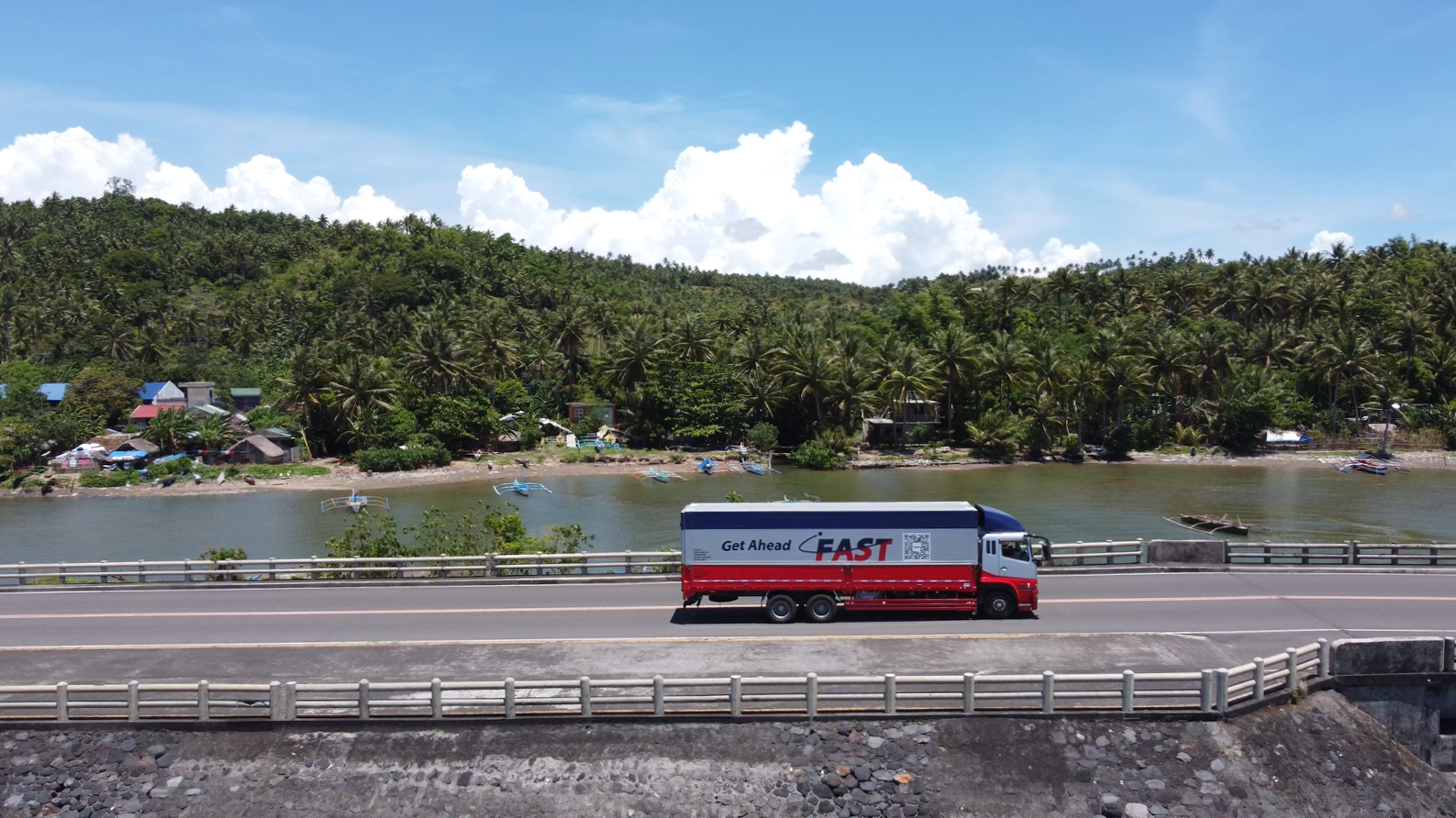
FAST Logistics Group: Trusted Partner of Businesses in Supply Chain Resilience Nationwide
FAST Logistics Group, a leading 4PL provider in the Philippines, is a trusted logistics partner of multinational companies, Filipino conglomerates, and micro, small, and medium enterprises (MSMEs) in strengthening supply chain resilience.
Our Solutions Experts go beyond day-to-day logistics execution. We provide supply chain planning, risk assessment, and strategic recommendations to mitigate disruption impacts. With an innovative and solutions-oriented mindset, FAST enables businesses to move products efficiently before, during, and after calamities.
Why FAST Is the Right Partner for Typhoon Supply Chain Preparedness
Here’s how FAST helps businesses stay resilient and operational before, during, and after typhoons.
Nationwide Coverage
With a 94% nationwide presence and over 50 years of industry leadership, FAST has a proven track record of supporting customers during typhoons, earthquakes, volcanic eruptions, and even the COVID-19 pandemic.
Extensive Warehousing Network and Transport Fleet
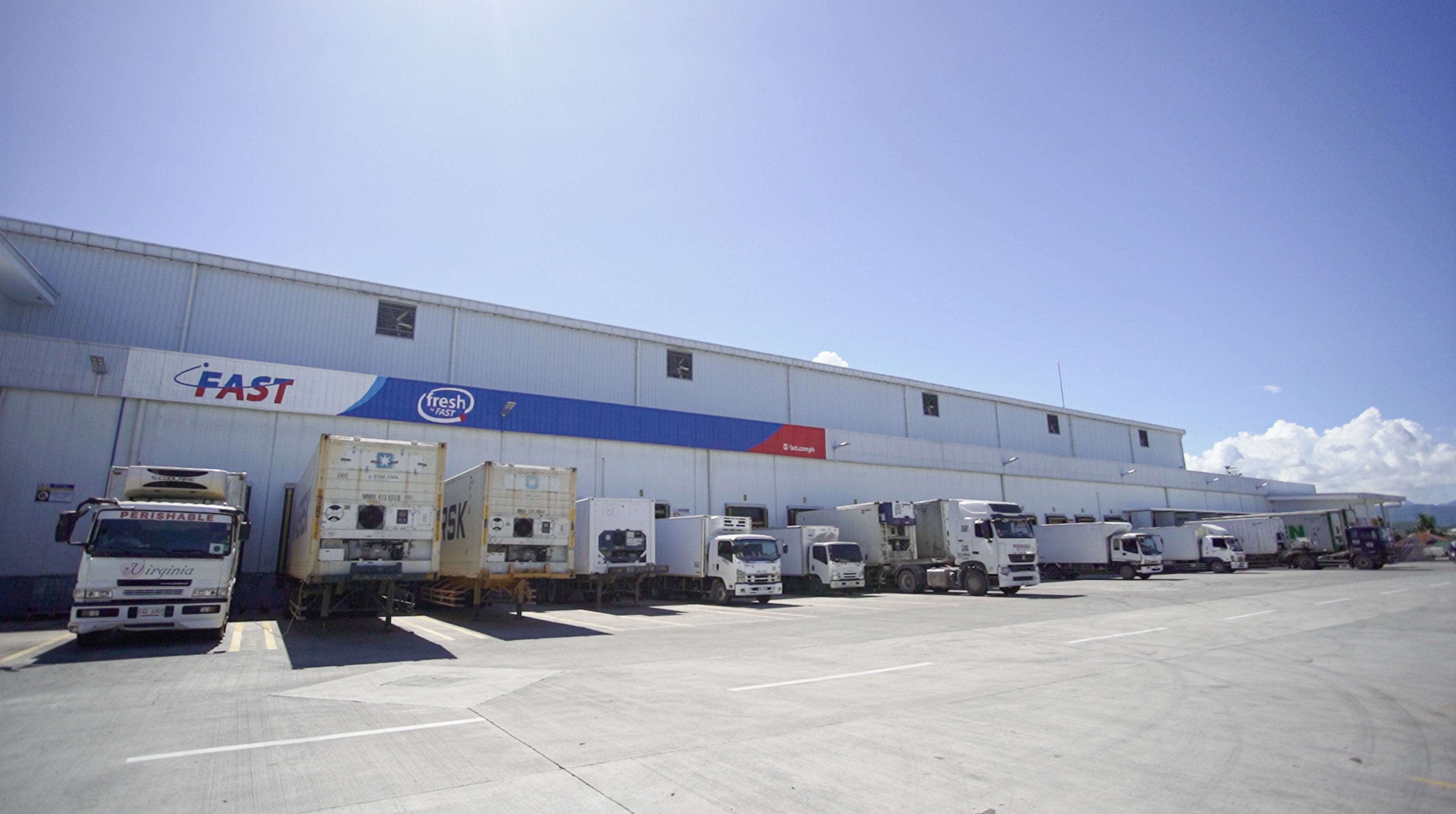
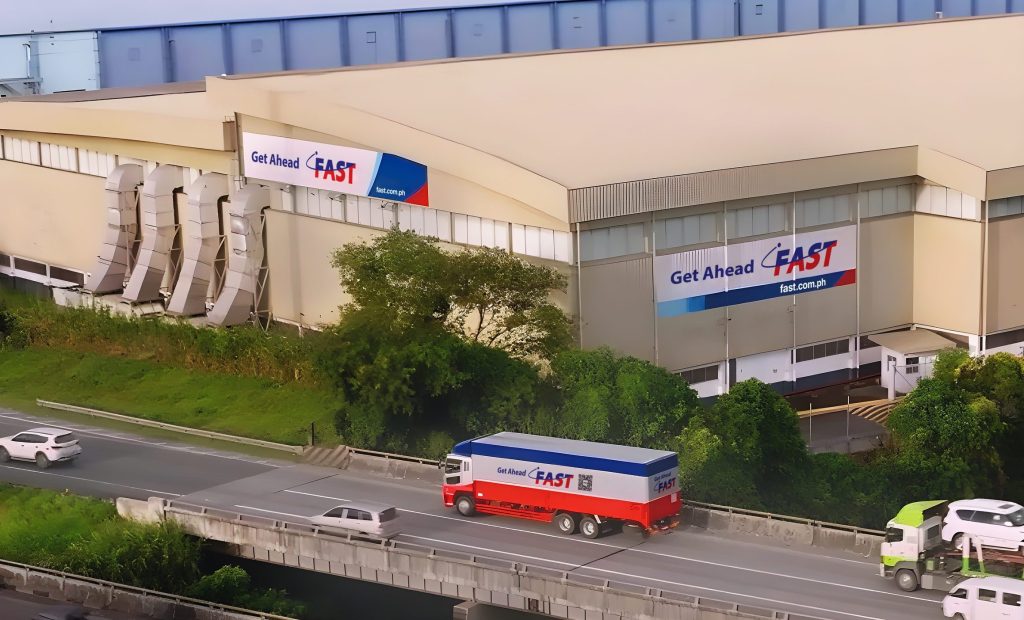
Our wide warehouse footprint and multimodal fleet enable forward stocking strategies and seamless distribution across Luzon, Visayas, and Mindanao. FAST runs the country’s largest warehouse network of over two million square meters, and the biggest trucking fleet, with more than 3,100 units.
Advanced Technology for Real-Time Visibility
FAST deploys WMS and TMS platforms powered by Honeywell and FarEye, respectively, to enhance visibility, accuracy, and operational efficiency. Backed by strong IT systems, FAST helps FMCG, retail, pharmaceutical, automotive, and agribusiness companies manage rising costs, meet omnichannel demand, and stay resilient amid climate-related disruptions.
FAST helps companies in the Philippines achieve their full potential and reach new heights. Connect with our Solutions Experts to learn how your business can strengthen supply chain resilience.
Categories
-

FAST Ahead
Includes case studies and testimonials of our partners as well as other featurettes from industry experts
-

FAST Hacks
We simplify logistics terms and provide practical tips and solutions for the DIY in you
-

FAST Highlights
Know more about our history, various brands, achievements, and news updates
-

FAST Moments
Get to know the people of FAST, our employee programs, as well as our various ways of giving back to the community
-
FAST Solutions
Learn more about the various logistics solutions that we cater to and offer our clients, as well as tech innovations, and service facilities
Related Stories
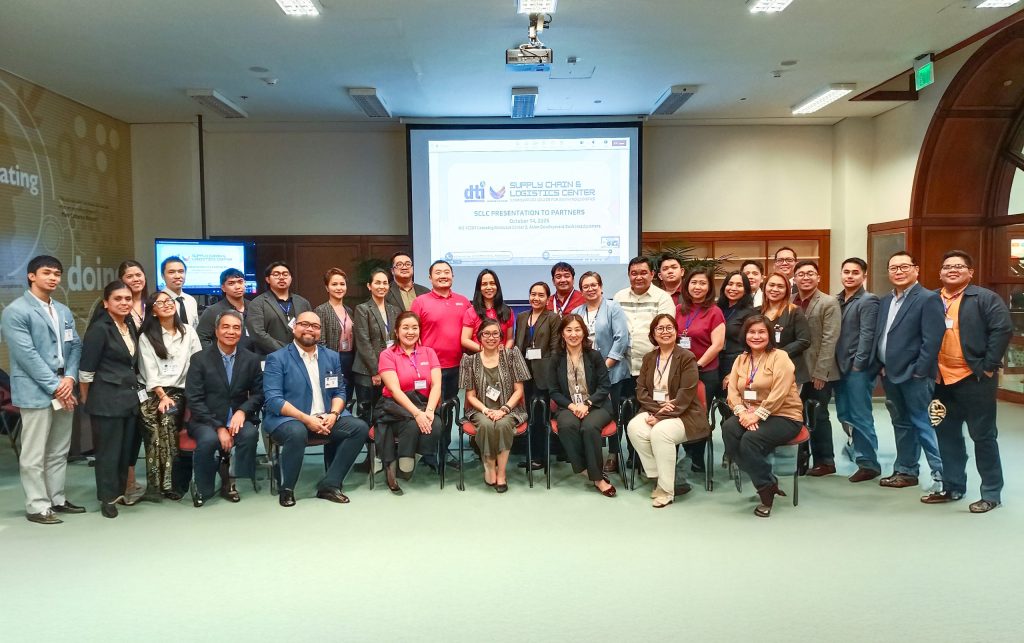
Strengthening MSME Logistics: FAST Joins DTI Project Updates on Supply Chain and Logistics Center
FAST Logistics Group, the country’s leading provider of end-to-end logistics solutions, reaffirmed its commitment to strengthening the Philippine logistics sector by joining the Department of Trade and Industry’s (DT...
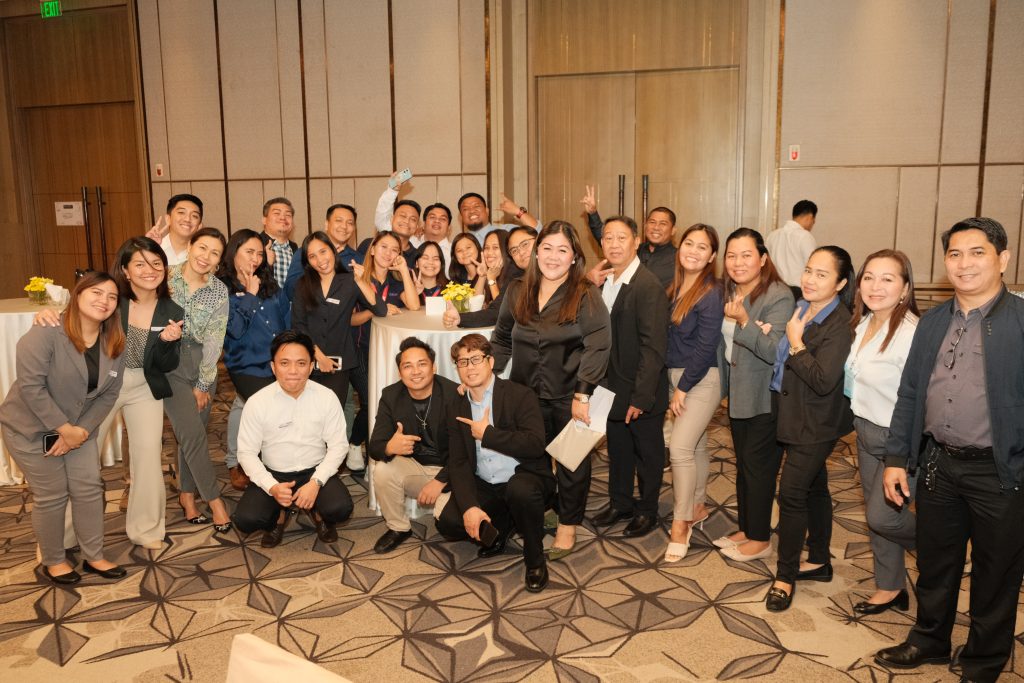
Logistics for Inclusive Growth – FAST Brings Solutions Roadshow in Davao City
FAST Logistics Group, the Philippines’ leading provider of end-to-end logistics solutions, has showcased its advanced warehouse and transport services customized to meet the distinct needs of Davao-based companies. The...
Sustainable Solutions: FAST Unveils ESG Strategy
FAST Logistics Group, the Philippines’ leading provider of end-to-end logistics solutions, marks a significant milestone in its journey toward sustainable development by committing to achieve net-zero emissions by 2050...

With over 40 years' experience, Fast Group operates an extensive network of transport, warehousing, distribution, and logistics solutions covering inland, air, and sea forwarding and courier services across the 7,641 Philippines islands to help our customers reach the furthest regions of the country.