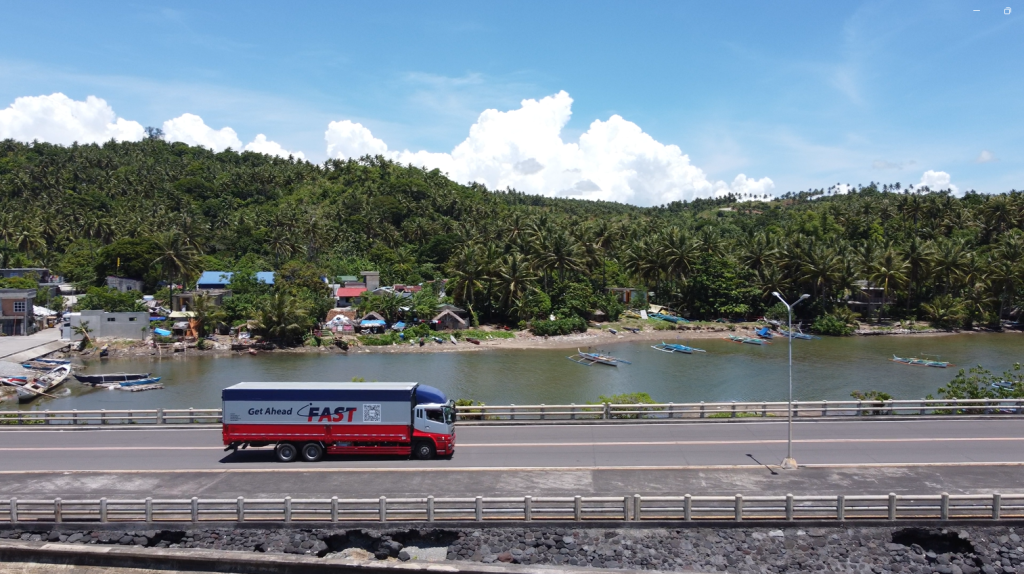
Rising fuel costs are affecting supply chains across Asia, including the Philippines. It increases logistics expenses and creates risks to supply availability. Businesses must adapt quickly to remain competitive.
Not all companies are affected in the same way during a crisis. Some struggle with delays and rising costs, while others continue to operate and even grow. The difference lies in preparedness and the strength of their supply chain strategy.
Resilient businesses anticipate disruption and build systems that can adapt. They invest in smart logistics, inventory positioning, and strong partnerships before a crisis happens. As a result, they are able to respond faster and maintain performance under pressure.
Here’s what Philippine businesses can do to adapt to the crisis:
1) Optimize Logistics and Implement Route Analytics
Fuel efficiency remains one of the strongest defenses against price volatility, especially for businesses with frequent transport movements. By improving how goods move across the network, companies can lower operating costs without compromising service.
Businesses should use Transport Management System, GPS tracking, and AI-driven tools to identify more fuel-efficient delivery paths. These technologies help reduce wasted mileage, avoid unnecessary idling, and improve route planning based on actual road and traffic conditions. Auditing current routes is also important, especially to reduce deadhead miles or trips where trucks travel empty.
Driver behavior should also be closely monitored as part of fuel management. Rapid acceleration, harsh braking, and inefficient driving patterns all increase fuel consumption over time. When combined with route analytics, better driving practices can improve fleet efficiency, reduce costs, and strengthen overall logistics performance during a fuel crisis.
2) Rethink Inventory Strategy
Traditional inventory models often rely on centralized stockholding, which works in stable conditions but becomes risky during disruptions. When fuel prices rise or transport routes are affected, long-haul deliveries become more expensive, slower, and less reliable. A delay in one location can quickly ripple across the entire supply chain.
This is why centralized models can limit flexibility during volatile periods. Heavy dependence on a single warehouse or distribution point increases the risk of bottlenecks, stock issues, and service delays. For businesses trying to maintain continuity, reducing this dependency is becoming more important.
One practical solution is forward stocking, which places inventory closer to customers and key demand centers. Businesses should adopt forward stocking and rethink inventory strategy to shorten delivery distance. By doing so, businesses can reduce exposure to fuel price increases and improve product availability. During supply chain disruptions, this approach helps companies continue operating even when long-haul routes are delayed.
3) Explore Co-Loading Options for Cost Savings
Co-loading can help businesses manage rising fuel and transport costs without sacrificing delivery continuity. By sharing truck space or transport capacity with other shipments moving along similar routes, companies can reduce the cost per unit delivered. This makes co-loading a practical option for businesses that want to stay efficient during periods of fuel volatility.
This strategy is especially useful for businesses that do not always require a full truckload or have smaller shipment volumes but still need regular movement of goods. Instead of paying for unused space, they can optimize transport spend while keeping products moving through the network. Co-loading also reduces unnecessary trips and improves asset utilization. In a fuel crisis, that kind of efficiency can protect margins and improve overall cost control.
4) Transition to More Energy-Efficient Options
Relying solely on traditional fossil fuels creates financial risk during periods of volatility. Transitioning to more energy-efficient solutions can reduce long-term costs and improve operational stability. Businesses that invest in energy alternatives are better protected from sudden fuel price increases.
Companies can explore solar-powered warehouses, electric fleet, and energy-saving tools to reduce dependence on the main grid and improve energy resilience. While these systems require upfront investments, they also lower maintenance and operating costs while supporting sustainability goals.
5) Use Data to Drive Decisions
Data helps businesses make informed decisions during uncertainty. Forecasting demand and supply risks allows companies to prepare for potential disruptions. Scenario planning helps businesses evaluate different outcomes. This reduces guesswork and improves planning accuracy.
Transport management systems provide real-time visibility into fleet conditions and locations and optimize route planning. These tools help address inefficiencies and allow businesses to take corrective action quickly. With data-driven insights, businesses can act early instead of reacting too late.
6) Shorten and Simplify Supply Chains
Long and complex supply chains are harder to manage during disruptions. Each additional step increases the risk of delays and cost escalation. Simplifying the network improves control and efficiency.
Reducing reliance on long-haul routes helps minimize fuel exposure. Local and regional distribution strategies allow businesses to respond faster to changes. Shorter supply chains are easier to manage and more resilient under pressure.
7) Build Flexibility Into Your Network
Flexibility is critical when conditions change quickly. A rigid supply chain cannot adapt to disruptions in fuel supply or transport routes. Businesses need systems that allow them to adjust operations in real time.
Multiple routing options ensure that goods can still move when primary routes are disrupted. Multi-modal transport allows shifts between land, sea, and air when needed. Contingency planning ensures that alternative solutions are ready before problems occur.
8) Strengthen Logistics Partnerships
A strong logistics partner plays a key role during a crisis. They provide the network, expertise, and execution capability needed to maintain operations. Their performance directly affects business continuity.
Not all third-party logistics (3PL) companies are built for disruption. The ability to execute under pressure becomes the key differentiator. A crisis-ready logistics partner can sustain delivery even during extreme, uncertain conditions.
Turning Cost Pressure Into Competitive Advantage
Rising fuel costs increase pressure on all businesses. However, companies that maintain operations and product availability gain an advantage. Customers prioritize reliability when supply becomes uncertain.
Businesses that adapt quickly can capture market share from competitors that struggle. Consistent delivery builds trust and strengthens customer relationships. Over time, reliability becomes a key differentiator in competitive markets.
Navigate the Fuel Crisis with Confidence and Agility
Crisis exposes weaknesses in supply chains. It shows which systems are flexible and which are not. It also creates opportunities for businesses that are prepared.
Companies that invest in resilience perform better during disruptions. They maintain operations, control costs, and serve customers consistently. FAST Logistics Group, the Philippines’ leading provider of integrated end-to-end logistics solutions, has proven expertise and infrastructure to help businesses of all sizes survive any supply chain shock.
With over 50 years of industry leadership, it has been helping multinational companies, Filipino conglomerates, international startups, and micro, small, and medium enterprises (MSMEs) build more resilient supply chains. Its integrated warehousing, transport, cold chain, cross-docking, and toll manufacturing solutions help businesses improve operational continuity even during periods of volatility.
Through its nationwide network, multimodal capabilities, tech-forward solutions, and dedicated Solutions Experts, FAST supports companies in managing disruption and moving goods more efficiently across key markets such as Metro Manila, Cebu, Bacolod, Iloilo, Davao, Cagayan de Oro, Zamboanga, and more. Connect with our Solutions Experts to learn how we can help you navigate the fuel crisis
Categories
-

FAST Ahead
Includes case studies and testimonials of our partners as well as other featurettes from industry experts
-

FAST Hacks
We simplify logistics terms and provide practical tips and solutions for the DIY in you
-

FAST Highlights
Know more about our history, various brands, achievements, and news updates
-

FAST Moments
Get to know the people of FAST, our employee programs, as well as our various ways of giving back to the community
-
FAST Solutions
Learn more about the various logistics solutions that we cater to and offer our clients, as well as tech innovations, and service facilities
Related Stories

The Future of Workplace Learning: Embracing Learning Management System
FAST Logistics Group, the leading provider of end-to-end logistics in the Philippines, explores the importance of learning management system on talent development and organizational growth as workplaces continue to evolv...
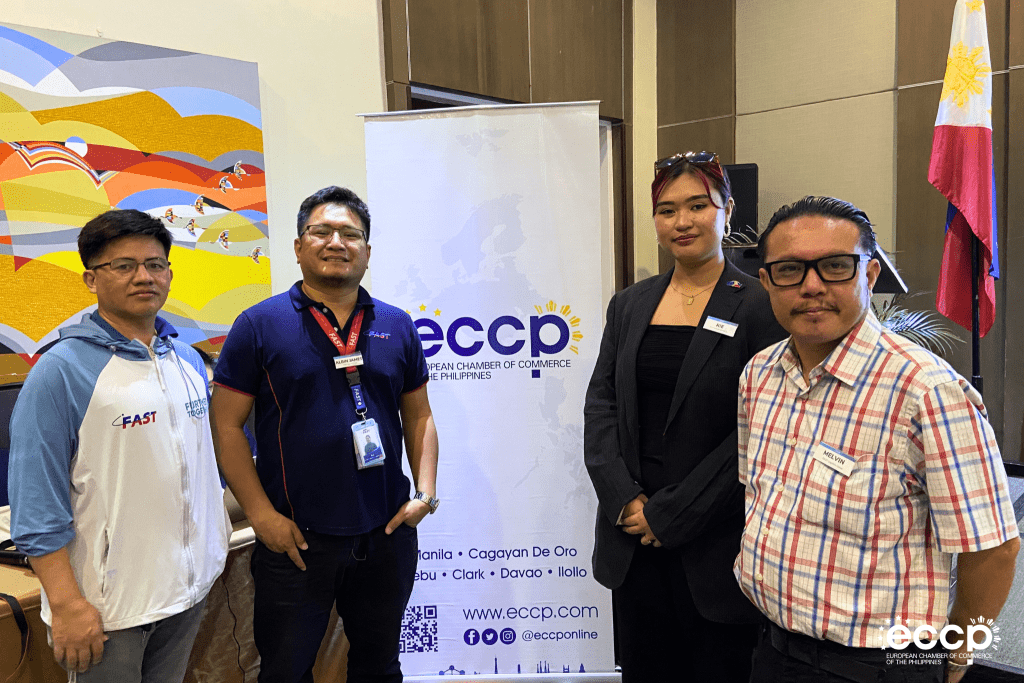
FAST Logistics Showcases End-to-End Logistics Solutions to Support Mindanao Growth at ECCP Davao Community Connect
FAST Logistics Group, the Philippines’ leading end-to-end logistics and supply chain solutions provider, highlighted how its integrated logistics services can support the growth of businesses in Davao and across Mindan...
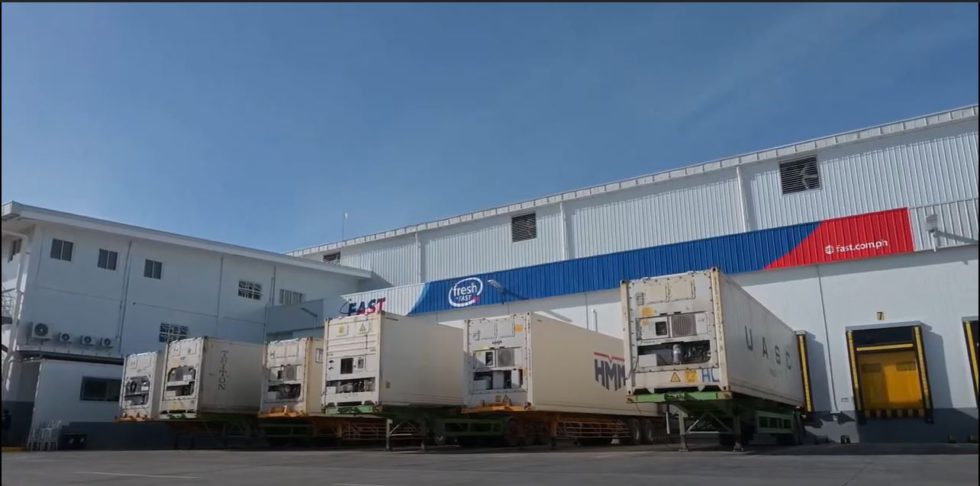
FAST Logistics expands cold chain operations
MANILA - Fast Logistics Group launched on Wednesday its cold chain business brand “Fresh”

With over 40 years' experience, Fast Group operates an extensive network of transport, warehousing, distribution, and logistics solutions covering inland, air, and sea forwarding and courier services across the 7,641 Philippines islands to help our customers reach the furthest regions of the country.