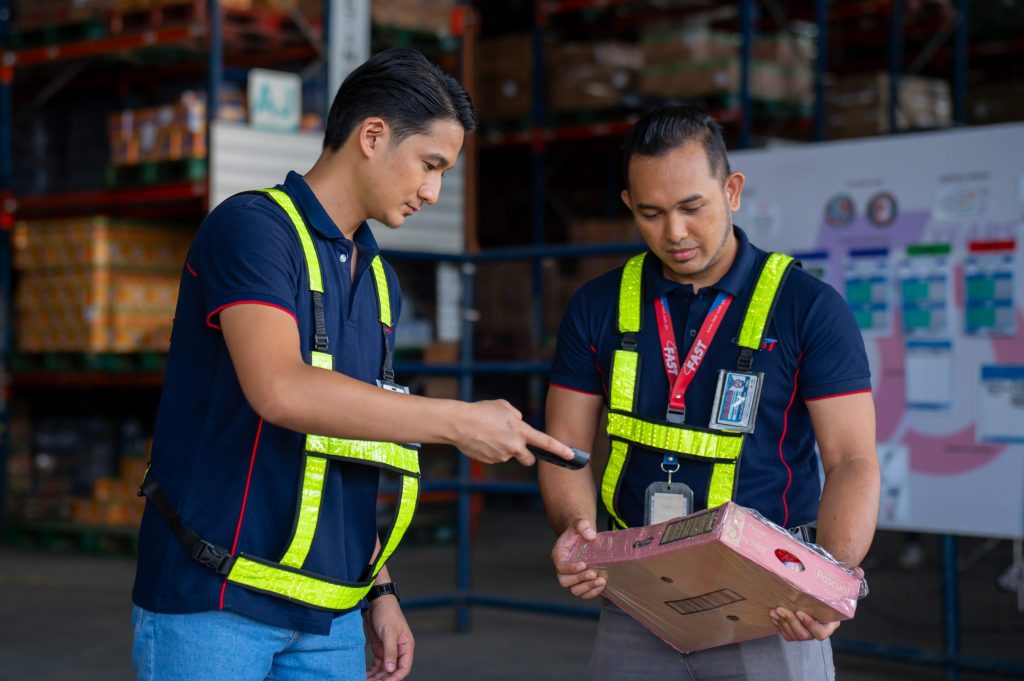
The Philippines is a highly attractive destination for foreign businesses seeking growth opportunities in Asia.
With its strategic location at the heart of Southeast Asia, business-friendly policies, a rapidly expanding consumer base, and a skilled and English-proficient workforce, the country offers a dynamic environment for both startups and established companies. As one of the region’s most dynamic emerging markets, the Philippines provides a unique blend of cost competitiveness and strong consumer demand—making it a preferred hub for companies expanding their reach across ASEAN.
Successfully entering the Philippine market goes beyond understanding the business landscape. Logistics plays a crucial role in market entry success. Efficient supply chain management, reliable distribution networks, and compliance with local regulations can make or break your operations.
FAST Logistics Group, the Philippines’ leading provider of end-to-end logistics solutions, outlines essential warehousing, transportation, and distribution strategies to help foreign businesses navigate the complexities of the Philippine supply chain landscape with confidence and clarity.
The Philippines: Go-To Market for Foreign Businesses and International Companies
The Philippines continues to draw international companies due to various factors. Here are some of them.
Strategic Location, Gateway to Southeast Asia
The Philippines holds a prime geographic position in Southeast Asia, making it a natural gateway to the 682-million-strong ASEAN market. Its proximity — just a four-hour flight from major Asian capitals — allows companies to efficiently manage regional trade and distribution. The country also sits along key international shipping routes linking Asia, Europe, and the Americas. Ongoing government investment in transport, logistics, and digital infrastructure is making the country increasingly viable as a regional headquarters or distribution center.
Robust Consumer Demand
Consumer spending in the Philippines continues to rise, driven by a growing middle class and expanding online shopping. Retail trade sales reportedly increased by 8.4% year-on-year in 2024, with consumer spending accounting for approximately 73% of the country’s Gross Domestic Product (GDP). This creates opportunities in retail, FMCG, manufacturing, technology, automotive, pharmaceuticals, and agriculture sectors.
Competitive Labor Force
The Philippines is known for having one of Asia’s most competitive and English-proficient workforces. With a literacy rate of 99.27%, it offers a talent pool that is highly educated, adaptable, and globally oriented. Filipino workers are recognized worldwide for their professionalism, customer service skills, and strong work ethic. Filipino professionals are also known for their adaptability and dedication, making the country an ideal destination for manufacturing, retail, and technology operations. These factors give foreign firms a reliable and cost-effective labor base for scaling operations.
Government Initiatives for Business-Friendly Environment
The Philippine government continues to introduce reforms aimed at improving investment conditions and supporting economic expansion. Programs led by the Department of Trade and Industry focus on strengthening manufacturing and digitalization. The country also offers incentives through special economic zones managed by the Philippine Economic Zone Authority, attracting export manufacturers, logistics operators, and foreign service providers. For international companies, this creates an enabling environment to establish, expand, and sustain operations.
Entering the Philippine Market: Framework for Foreign Companies
Before diving into logistics, foreign companies should consider a structured approach to entering the Philippine market:
1. Understand consumer demand, competition, and the regulatory landscape.
2. Choose an appropriate structure (domestic corporation, branch office, representative office, or regional headquarters) and secure approvals from the Securities and Exchange Commission (SEC), Bureau of Internal Revenue (BIR), and local government units.
3. Establish warehouses, select transport modes, and develop distribution networks.
4. Collaborate with 3PL providers, distributors, and delivery partners for efficiency. Expand regional coverage and integrate technology to optimize logistics as your business grows.
Understanding Logistics Challenges in the Philippines
Foreign companies entering the Philippines encounter a unique set of logistics challenges rooted in the country’s distinctive geography and infrastructure. Unlike other Southeast Asian nations with contiguous land routes, the Philippines’ archipelagic geography requires multimodal transportation and strategic warehousing — factors that significantly influence operational costs, service levels, and overall competitiveness.
Understanding these challenges and building a strategic logistics plan around them is essential to maintaining efficiency and gaining a competitive advantage. Here are some of these challenges.
Archipelagic Geography
With more than 7,000 islands, coordinating the storage, transfer, and distribution of goods requires a multimodal approach that integrates air, sea, and land transport. This complexity also affects last-mile delivery, especially in geographically remote regions where delivery routes are less accessible and transportation options are limited. It also means that businesses require strategically-located hubs in various areas to cater to customers across the Philippines.
Varying Infrastructure Quality
Infrastructure quality varies widely from region to region, affecting delivery speed and accessibility. This also influences the type of delivery vehicles that can be used. For example, while 10-wheeler trucks may be suitable for deliveries between major hubs, smaller four-wheeler vans or AUVs are often required for store-level distribution in rural areas due to narrow roads or height restrictions. Breaking down shipments into a smaller fleet means additional investment in crossdocking facilities.
Typhoons and Supply Chain Disruptions
Peak season, when public consumption is at its highest, usually occurs from August to December. But typhoons are also common during this time. On average, the Philippines experiences around 20 typhoons per year. Typhoons disrupt logistics by flooding roads for inland trucking, delaying flights for air freight, and causing port congestion for sea freight and RoRo shipments.
High Freight Costs for Small-Volume Shipments
Small-volume shipments in the Philippines, or less-than-truckload (LTL) or less-than-container load (LCL), often incur higher per-unit transportation costs due to limited consolidation options and the need for multiple handling points across islands. Foreign businesses entering the market may struggle to optimize load efficiency, especially when starting with low order volumes.
Navigating Customs and Regulatory Requirements
Customs clearance in the Philippines can be complex for foreign companies, involving multiple documents, strict compliance standards, and coordination with several government agencies. Delays often occur when businesses are unfamiliar with import classifications, duties, or evolving regulatory policies.
A deep understanding of these challenges, combined with strategic planning, is critical to avoiding costly delays and maintaining a competitive advantage.
Expert Tips on Supply Chain Management for New Businesses in the Philippines
Effective supply chain management is essential for foreign businesses entering a new market. Companies must adopt strategies that align with the country’s geographic realities, consumer behavior, and transportation network. Here are some expert-level tips on supply chain management to build an efficient supply chain and distribution network.
Warehouse Management Strategies
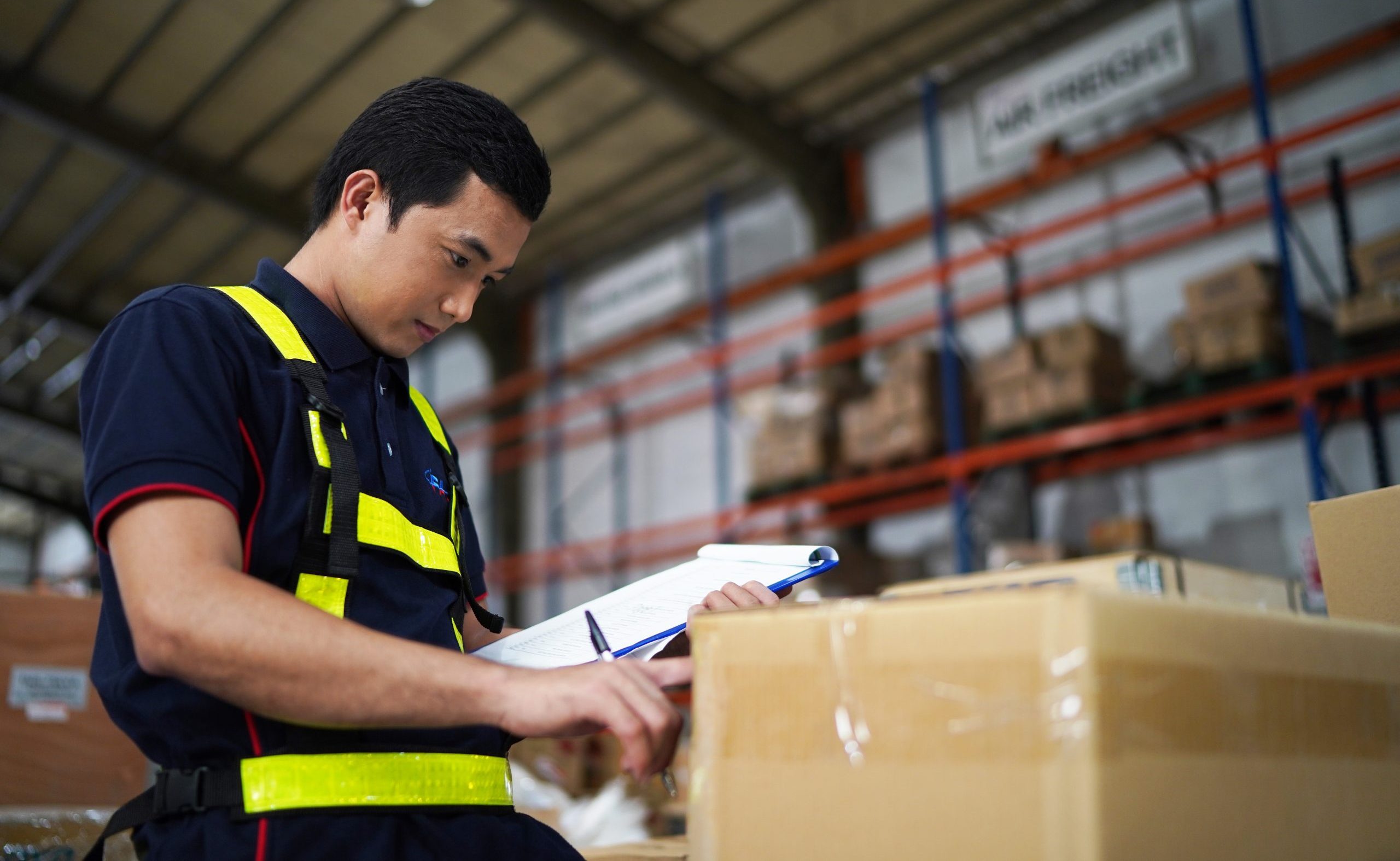
Warehouse strategy is a core driver of operational efficiency for foreign businesses. Companies must select warehouse locations with easy access to major ports, highways, and consumer markets to minimize transit times. Deciding whether to lease existing warehouse space or build a custom facility depends on business size, product needs, and long-term plans.
For Luzon, business hubs or warehouses do not necessarily need to be located in Metro Manila. They can be established in Bulacan, Pampanga, Cavite, Laguna, or Batangas, all of which offer strong access to Metro Manila and major highways. In the Visayas, hubs such as Cebu, Bacolod, Iloilo, and Tacloban provide excellent connectivity to surrounding islands. In Mindanao, Davao, Cagayan de Oro, General Santos, and Zamboanga serve as high-growth markets that benefit greatly from strategically placed warehouses. Having regional hubs enables faster replenishment, shorter transit times, and more consistent nationwide delivery coverage.
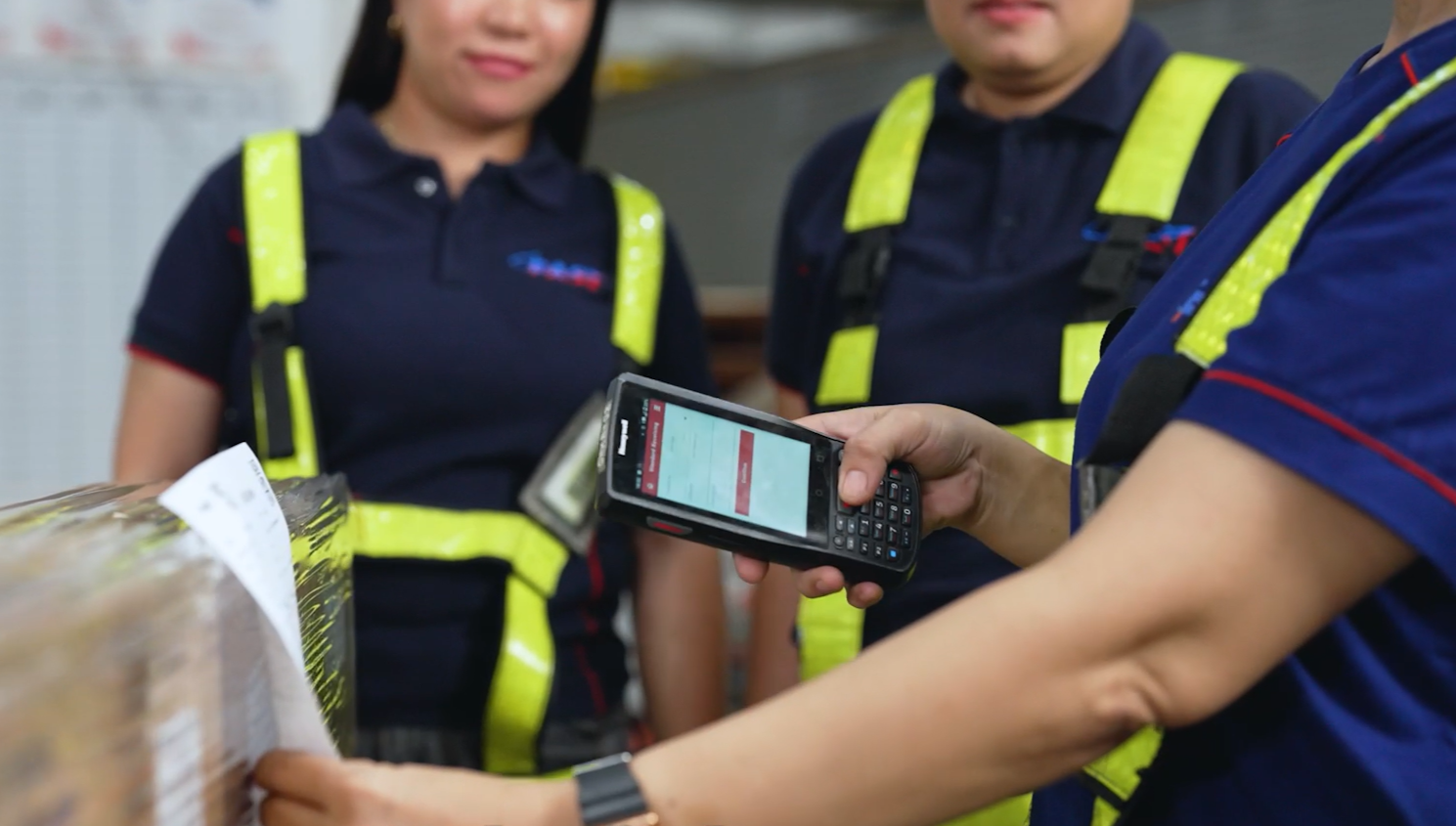
Leveraging modern warehouse technology—such as barcode tracking, warehouse management systems (WMS), and automated inventory controls—helps improve accuracy, reduce labor-intensive processes, and support seamless order fulfillment. It also makes inventory tracking and reporting more efficient. Having a local partner that leverages these tools makes it easier to manage the supply chain needs of a starting business for better service coverage and market responsiveness.
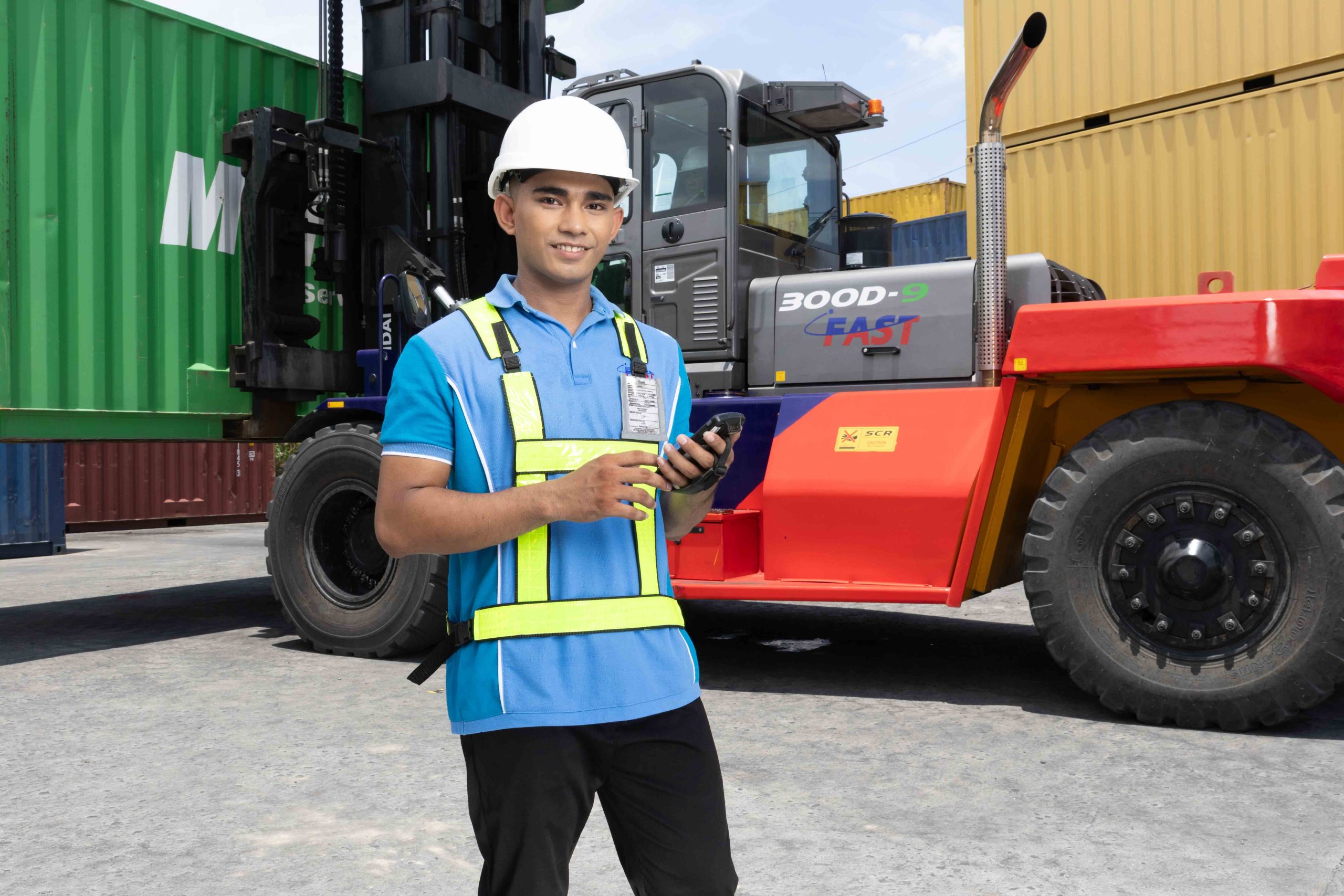
Cost-Effective Freight and Transportation Solutions
Transportation costs in the Philippines can quickly escalate due to the multimodal nature of interisland movement. Foreign companies must adopt cost-efficient freight strategies to keep operations competitive. Consolidating shipments is one effective method — reducing per-unit freight costs while improving loading efficiency. For starters, here are some transport modes that enable consolidation and per-unit costs.
Inland Trucking
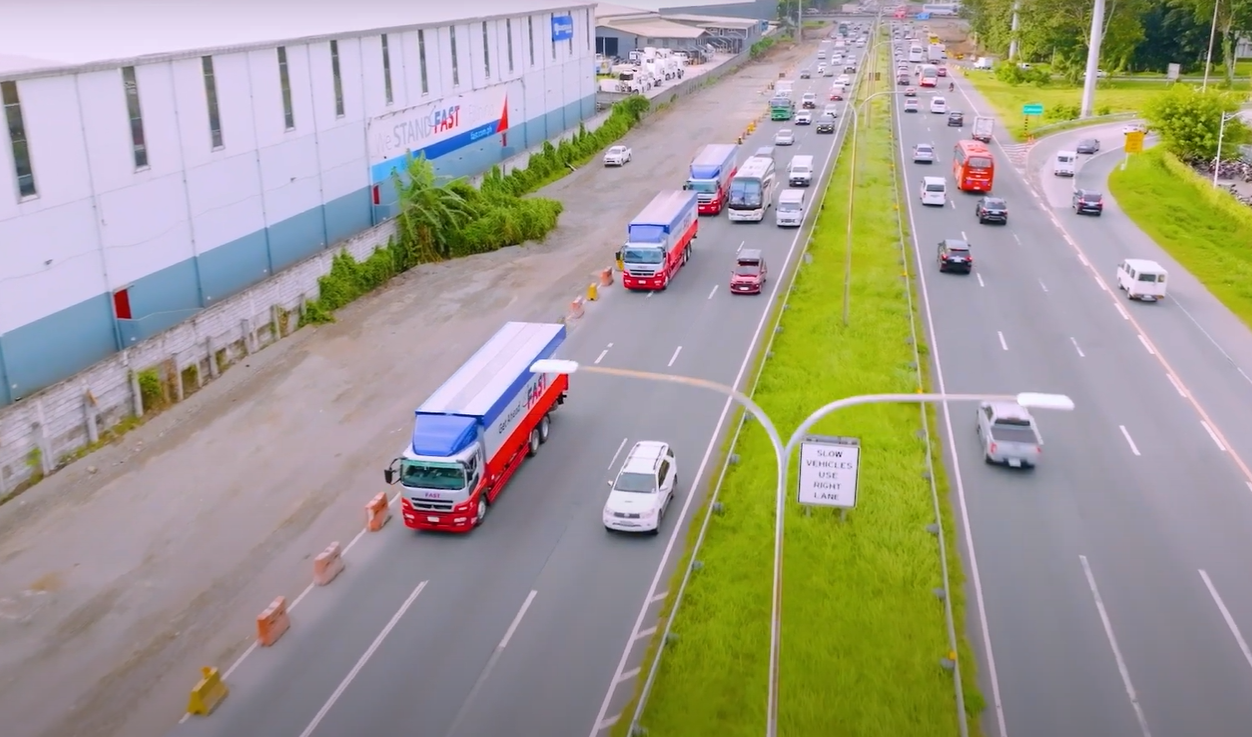
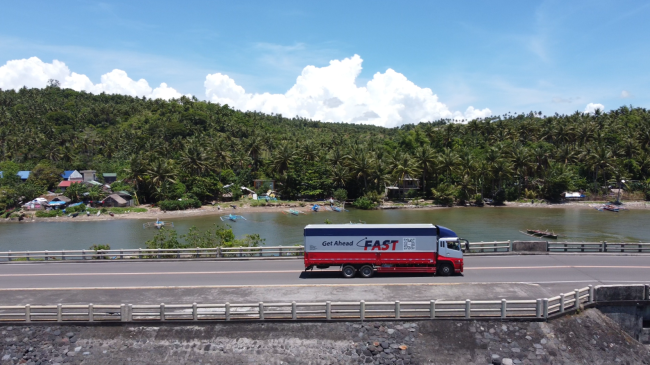
Inland trucking connects warehouses, ports, and distribution centers across Luzon, Visayas, and Mindanao. It is essential for first-mile and last-mile movement, especially when linking production sites to major transport hubs. This mode supports consolidated loads, helping reduce transportation costs before cargo is shipped by air or sea.
RoRo Shipping
RoRo service is a transport system where trucks and vehicles board vessels to move goods between islands without unloading cargo, making interisland transport faster and more efficient. This reduces handling time, minimizes cargo damage, and helps lower overall logistics costs. It is ideal for companies that need seamless, point-to-point movement across the archipelago.
Air Freight
Air freight provides the fastest transit times and is ideal for high-value, time-sensitive, or perishable goods. While more expensive, it offers unmatched speed and reliability, especially for urgent shipments or areas with limited sea connectivity. Companies often use air freight selectively to balance cost and delivery timelines.
Sea Freight
Sea freight is the most cost-efficient option for bulk and non-urgent shipments in the Philippines, transported via cargo vessels. It supports large-volume consolidation, making it suitable for importers and businesses looking to reduce per-unit transport costs across long distances.
Unlike landlocked countries where long-haul trucking or rail dominates, the Philippines relies heavily on a combination of inland trucking, RoRo vessels, sea freight, and air freight to distribute goods nationwide. Leveraging local networks and on-the-ground carrier expertise ensures smoother and faster deliveries, depending on budget, speed, and distance. A Transport Management System (TMS) optimizes routes, improves truckload utilization, and provides real-time visibility across the entire logistics network.
Leverage Last-Mile Delivery in the Philippines
Last-mile delivery remains one of the most challenging aspects of logistics in the Philippines due to inconsistent road conditions, congestion in major cities, and varying accessibility in remote communities. Foreign businesses must collaborate with local delivery partners who understand regional nuances and consumer preferences. Such partnerships help reduce delivery lead times, improve accuracy, and ensure better customer satisfaction. Implementing real-time delivery tracking also strengthens visibility, allowing businesses and customers to monitor order status and anticipate delays.
Flexibility is vital in last-mile operations. Companies should prepare for multiple delivery attempts or extended time windows, especially in areas prone to bottlenecks. Innovative solutions like micro-fulfillment centers, community pick-up points, or barangay-level delivery hubs can significantly reduce travel distances and improve efficiency. Adopting these strategies not only enhances last-mile performance but also strengthens brand reliability in the eyes of Filipino consumers.
Scale Your Logistics Operations When Entering the Philippine Market
As a business expands in the Philippines, its logistics requirements naturally become more complex. Scaling operations effectively involves increasing distribution reach, enhancing inventory visibility, and integrating advanced systems that enable better forecasting and real-time decision-making. Technologies such as route optimization tools, automated inventory management systems, and centralized control towers help businesses manage growing volumes with greater precision and efficiency.
Foreign companies must also continuously assess the performance of their logistics partners as they grow. The right 3PL or 4PL should be able to scale quickly—whether by adding new routes, expanding storage capacity, or offering specialized services such as cold chain or toll manufacturing. Sustainability initiatives, such as eco-friendly vehicles or optimized delivery routes, are increasingly important as businesses aim to reduce their carbon footprint while improving operational efficiency. Scaling with the right strategy ensures that logistics becomes a growth driver rather than a bottleneck.
Choose the Right Logistics Provider, Either 3PL or 4PL
Selecting the right 3PL or 4PL partner is one of the most important decisions for foreign businesses entering the Philippines. A strong 3PL or 4PL brings deep local knowledge, nationwide infrastructure, and a comprehensive suite of logistics services that simplify operations. The ideal provider manages warehousing, transportation, inventory, and distribution end-to-end—allowing foreign companies to focus on market expansion rather than operational challenges. They also ensure compliance with customs requirements, government regulations, and industry standards.
A reliable 3PL or 4PL should offer scalable solutions that align with a company’s growth trajectory. Real-time visibility through tracking technologies and dashboards enables businesses to make data-driven decisions. Flexibility is equally important, especially for companies starting small; shared warehouse services or multi-client facilities allow foreign businesses to optimize costs when they are starting small or with limited inventory. By choosing a competent logistics partner, companies significantly reduce entry risks, accelerate their go-to-market timeline, and build a strong foundation for long-term success.
Strategic Logistics Approach When Entering the Philippine Market
Foreign businesses must treat logistics as a core component of market entry, rather than an afterthought. A strategic approach ensures smoother operations, consistent delivery performance, and faster market penetration. This involves assessing product needs, volume, and target markets; mapping an efficient distribution network; and identifying key regional hubs for warehousing and transport. Partnering with a trusted 3PL or 4PL provider enables companies to streamline operations, maintain compliance, and scale efficiently. Continuous performance monitoring and ongoing optimization further enhance speed, accuracy, and cost management.
Foreign businesses must view logistics as a strategic component of entering the Philippine market. A well-planned supply chain reduces operational risks, improves delivery performance, and enables faster market penetration.
FAST Logistics Group: Trusted Partner of Foreign Businesses Entering the Philippines
For foreign businesses seeking seamless entry into the Philippine market, FAST Logistics Group delivers comprehensive end-to-end logistics solutions backed by deep local knowledge and over 50 years of industry leadership. FAST provides warehousing, transportation, cold chain, crossdocking, and value-added services that meet international standards.
FAST’s expansive nationwide network, advanced logistics technology, and expertise across diverse industries ensure products reach the right markets efficiently and reliably. The company has extensive experience serving multinational brands and leading conglomerates in FMCG, retail, pharmaceutical, food, manufacturing, automotive, and other key sectors in the Philippines.
What sets FAST apart:
Expansive Network and Logistics Infrastructure
With more than 160 warehouses and crossdock facilities across Luzon, Visayas, and Mindanao, FAST has over two million square meters of warehouse space, one million pallet positions for dry and cold, and more than one billion annual throughput cases. This scale, unmatched by other providers, enables seamless product flow, high storage capacity, and flexible scalability for international brands entering the market. FAST can also develop build-to-suit warehouse facilities, and provide flexible storage solutions for companies entering the market with limited inventory.
Right People and Right Processes
Supported by over 12,000 logistics professionals nationwide, FAST maintains operational excellence through continuous training and a customer-oriented culture. Skilled teams ensure accuracy, compliance, and efficiency—from inbound receiving to last-mile delivery, giving partners confidence in execution at any scale. FAST also leverages WMS and TMS, which offer valuable data and insights into its operations and empower businesses to make informed decisions and continuously improve their processes.
End-to-End Solutions with Proven Reliability
FAST is the trusted 3PL of some of the largest corporations in the Philippines, including global brands expanding into the region. With integrated logistics spanning warehousing, transport, cold chain, crossdocking, and toll manufacturing, clients benefit from a single logistics partner capable of managing their entire supply chain.
Deep Local Knowledge and Market Expertise
With roots in Cebu and operations spread throughout the archipelago, FAST understands Philippine geography, consumer behavior, regulatory processes, and inter-island logistics challenges. This insight enables faster market penetration, optimized routing, and intelligent execution strategies for foreign businesses.
Plan your Philippine market entry with a logistics partner you can trust. Book a free call with our Solutions Experts to learn more.
FREQUENTLY ASKED QUESTIONS (FAQs)
Can Foreigners Start a Business in the Philippines
Yes. Foreigners can start a business in the Philippines as long as they follow the guidelines under the Foreign Investment Negative List, which identifies industries where foreign ownership is limited or restricted.
Can Foreigners Own 100% of the Company in the Philippines
Foreign ownership regulations vary depending on the industry. Some sectors permit 100% foreign ownership, while others require a portion of Filipino ownership.
How to Enter the Philippine Market as a Foreign Business
Entering the Philippine market begins with securing the proper business registration and legal approvals. Foreign companies must first determine the appropriate business structure—such as a domestic corporation, branch office, representative office, or regional headquarters— each with its own capital requirements and ownership rules. Registration typically involves coordinating with key government agencies, including the Securities and Exchange Commission (SEC), Bureau of Internal Revenue (BIR), and local government units for permits and licenses.
Once registered, businesses must comply with industry-specific regulations, tax obligations, and reporting requirements. After completing the legal setup, foreign companies can focus on building their logistics foundation—establishing warehousing, securing transportation partners, and designing distribution networks—to ensure smooth operations across the Philippine market.
Categories
-

FAST Ahead
Includes case studies and testimonials of our partners as well as other featurettes from industry experts
-

FAST Hacks
We simplify logistics terms and provide practical tips and solutions for the DIY in you
-

FAST Highlights
Know more about our history, various brands, achievements, and news updates
-

FAST Moments
Get to know the people of FAST, our employee programs, as well as our various ways of giving back to the community
-
FAST Solutions
Learn more about the various logistics solutions that we cater to and offer our clients, as well as tech innovations, and service facilities
Related Stories
Boost Your Profit – Top Strategies to Reduce LCL Shipping Costs
Businesses constantly search for strategies to cut operational expenses to improve their bottom line. This need is especially true for small and medium enterprises, which often operate with tighter budgets and fewer reso...
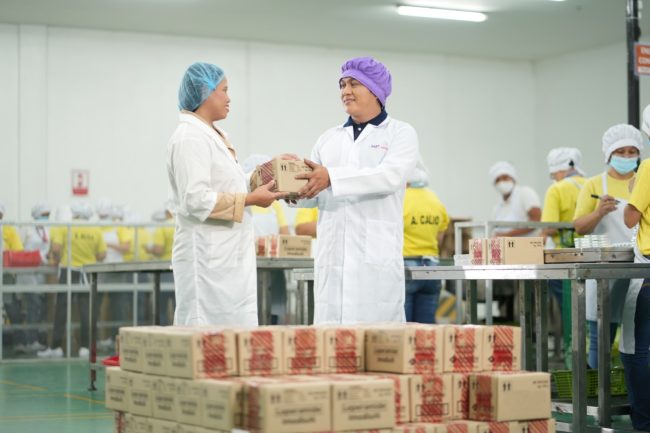
VAS for Every Industry: Different Kinds of Businesses in the Philippines that Need Value-Added Services
FAST Logistics Group, the Philippines’ premier end-to-end logistics company, highlights how Value-Added Services contributes to the success of both logistics companies and the businesses they serve. There’s one c...
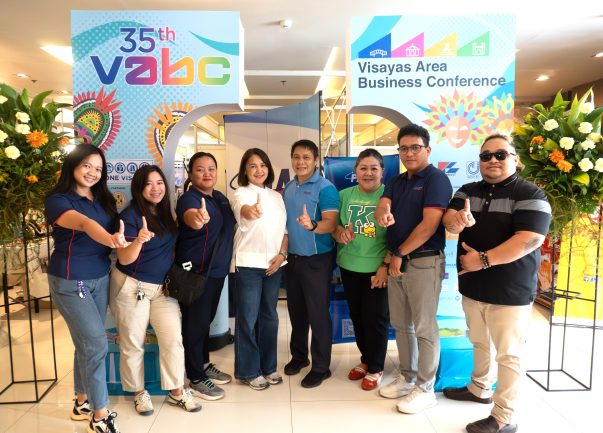
Stronger Visayas Logistics: FAST Logistics Champions Integrated End-to-End Supply Chain Solutions at 2026 Visayas Area Business Conference
FAST Logistics Group, the Philippines’ largest third-party logistics (3PL) provider, championed integrated end-to-end logistics solutions at the 2026 Visayas Area Business Conference (VABC), reinforcing the importance ...

FAST Logistics Group is the leading end-to-end logistics and supply chain solutions provider in the Philippines. With over 50 years of industry leadership, we offer a comprehensive suite of services including multi-modal transportation, warehousing, cross-docking, cold chain, and toll manufacturing solutions.
© Copyright 2026 FAST Logistics