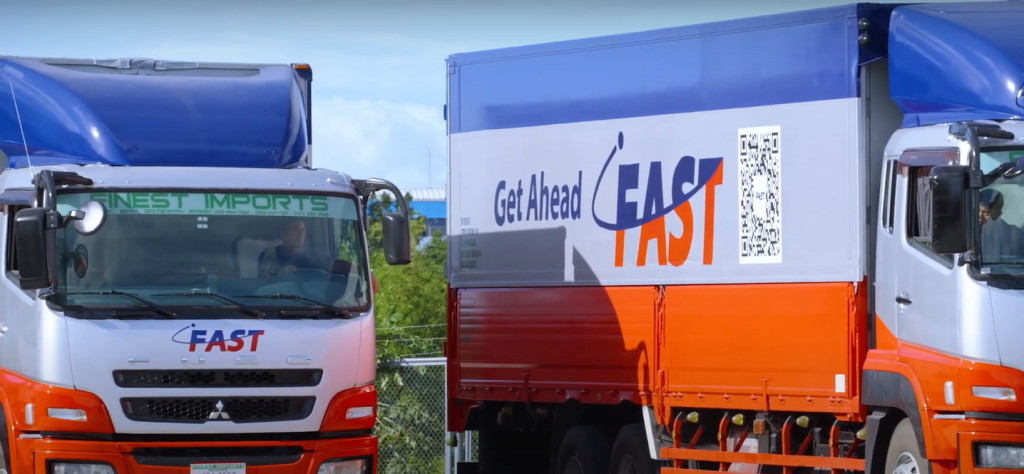
Outsourcing logistics to a third-party logistics (3PL) provider helps hospitality businesses such as hotels, resorts, restaurants, and leisure companies focus on creating topnotch guest experiences.
Hospitality businesses should look for a 3PL provider with eight key capabilities: scale and infrastructure, multimodal transportation, flexible warehousing, cold chain logistics, technology and supply chain visibility, integrated logistics capabilities and local expertise, reliable manpower, and experience managing disruptions.
For businesses operating across the Philippines, these capabilities can be especially important when managing multiple properties, inter-island shipments, food and beverage supplies, renovations, and property expansions.
Here’s a closer look at the eight capabilities that can help hospitality businesses evaluate a 3PL partner.
1) Scale and Logistics Infrastructure
A 3PL should have sufficient multi-modal transportation and warehousing infrastructure to support your current requirements while giving you room to scale as your business grows. For hospitality businesses, this could mean anything from a more comprehensive distribution network serving multiple properties and additional storage capacity for renovations.
When evaluating a logistics partner, consider:
- Where are its warehouses and distribution facilities located?
- Can it support your existing properties as well as planned expansions?
- Does it have sufficient transportation capacity during peak periods?
- Can it accommodate both recurring and project-based logistics requirements?
A 3PL with established infrastructure and nationwide coverage can help hospitality companies expand their logistics capabilities without having to invest in and manage every asset themselves.
2) Multimodal Transportation Capabilities
Hotels and resorts do not always have the luxury of relying on a single transportation mode. Depending on the shipment’s origin, destination, cargo type, and urgency, supplies may require inland freight or trucking, RoRo shipping, sea freight, air freight, or a combination of transportation modes.
This is particularly relevant in the Philippines, where businesses may need to move supplies between Luzon, Visayas, and Mindanao. A 3PL capable of coordinating multiple modes of transportation can simplify logistics management and provide greater flexibility when moving supplies across the country.
Instead of coordinating each movement separately, a 3PL company can manage these transportation requirements as part of a more integrated supply chain.
3) Flexible Warehousing
Hotel supplies do not necessarily need to be stored at every property. A centralized or strategically located warehouse network can allow hospitality businesses to consolidate inventory and distribute supplies according to individual property requirements.
Flexible warehousing can be especially useful for:
- Furniture, fixtures, and equipment (FF&E)
- Operating supplies and equipment (OS&E)
- Temporary storage during construction or renovation
- Other project-based logistics requirements
For example, a hotel undergoing renovation may temporarily need additional storage for furniture, fixtures, equipment, and other materials. Instead of establishing temporary storage arrangements for each project, the business can use an existing 3PL warehousing network.
The key is to find a provider whose warehousing capabilities can accommodate both day-to-day operating requirements and temporary project needs.
4) Cold Chain Logistics for Food and Beverage Operations
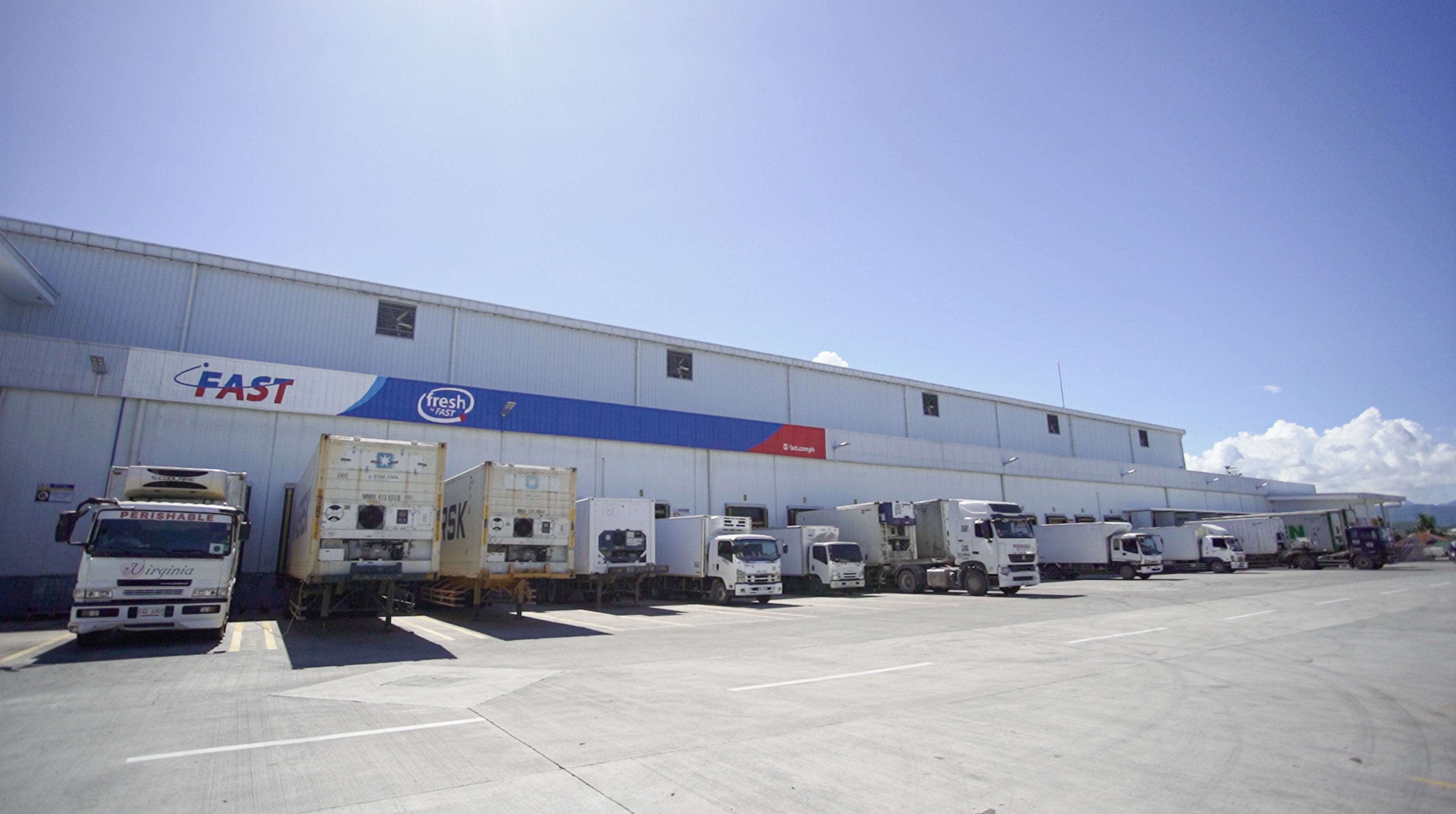
Food and beverage shipment is an important part of many hospitality operations. Hotels, resorts, restaurants, and leisure establishments may regularly handle temperature-sensitive products such as meat, poultry, seafood, dairy, frozen products, fresh produce, and other perishables.
For businesses with significant food and beverage operations, cold chain capability should be part of the 3PL evaluation.
Ask potential logistics partners about:
- Temperature-controlled storage
- Temperature monitoring
- Handling procedures for perishable products
- Delivery processes
- Contingency procedures for temperature excursions
- Ability to handle ambient, chilled, and frozen products
A 3PL with integrated cold chain capabilities can help hospitality businesses manage food and beverage logistics alongside their other supply requirements.
5) Technology and Supply Chain Visibility
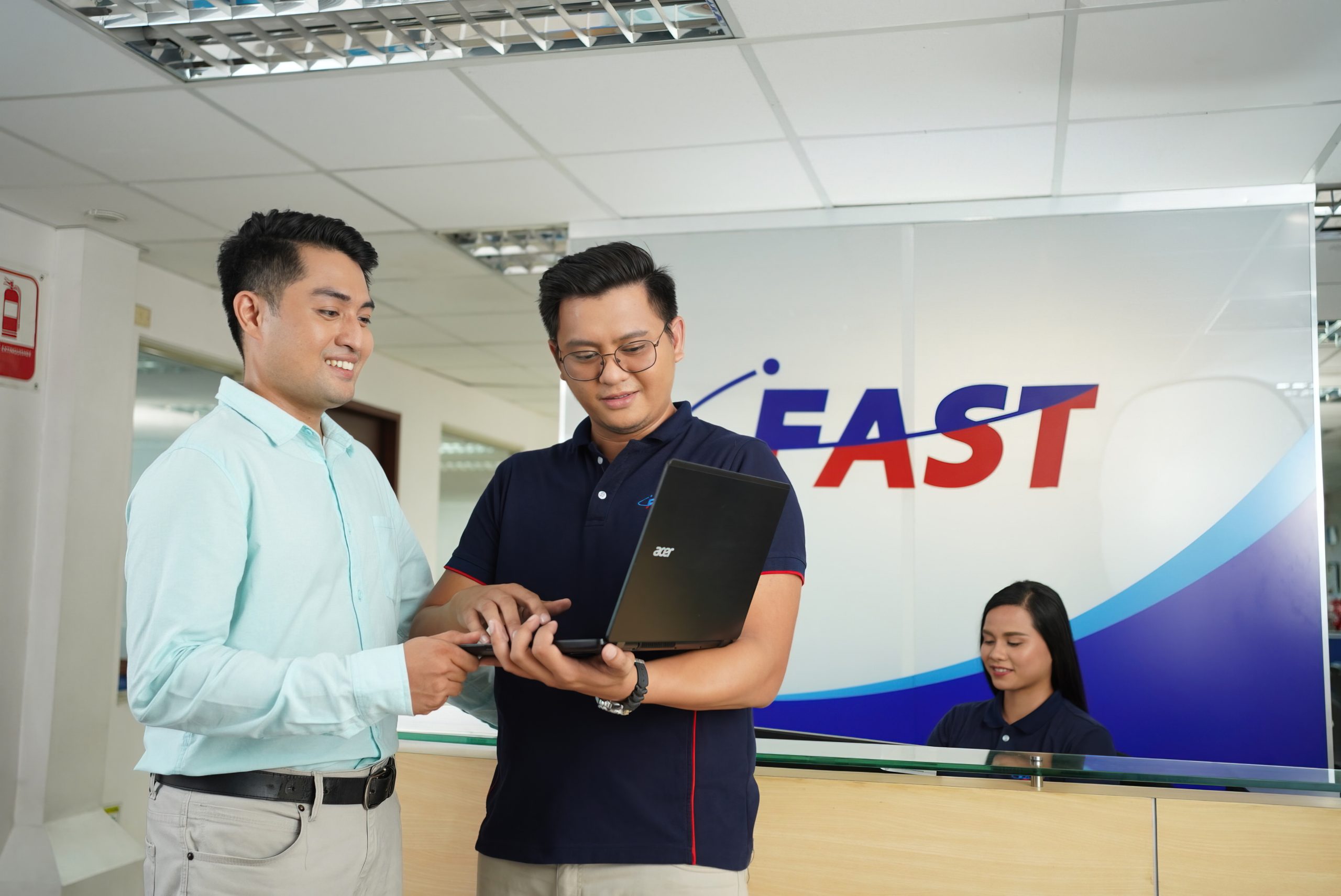
A logistics provider should give hospitality businesses visibility into their inventory and shipments rather than leaving them to rely on manual updates.
Before selecting a 3PL, ask:
- Can we track inventory while it is in storage?
- Can we monitor shipments while they are in transit?
- Do you provide digital proof of delivery?
- How are delivery challenges communicated?
- Can we access logistics data and reports?
- How does your system support route planning and truck load optimization?
Technology becomes particularly important as a hospitality business grows from one property to several locations.
Without adequate visibility, logistics teams may spend significant time calling carriers, checking shipment statuses, reconciling inventory, and following up on delivery issues.
A tech-enabled 3PL can help centralize these activities and provide more timely information for operational decision-making.
6) Integrated Logistics Capabilities and Local Expertise
Hospitality supply chains rarely involve just one logistics activity. A hotel group may need transportation, warehousing, cold chain, reverse logistics, and project logistics at different points in its operations.
Using separate providers for every requirement can create additional coordination work and make accountability less clear. An integrated 3PL can potentially bring more of these activities under one logistics network.
Local expertise is equally important. For businesses operating across the Philippines, a logistics provider should understand the practical realities of moving goods across different regions, including inter-island transportation, local delivery conditions, infrastructure constraints, and disruptions caused by weather or other events.
The combination of integrated capabilities and Philippine market knowledge can be particularly valuable for hospitality companies managing multiple properties.
7) Logistics Manpower and Operational Support
Managing logistics in-house involves more than owning trucks or leasing warehouse space. It also means managing the people who operate those logistics activities, including drivers, helpers, warehouse personnel, dispatchers, and other support staff.
This creates an additional operational burden for hospitality businesses, particularly when logistics is not their core business. A 3PL can take responsibility for the logistics manpower required to deliver the agreed services, subject to the scope and terms of the contract.
More importantly, outsourcing logistics can allow hotel and restaurant teams to devote more time to their core responsibilities, including guest service, food and beverage operations, property management, and business development.
8) Experience Managing Disruptions and Critical Shipments
One of the potential benefits of working with an experienced 3PL is access to logistics expertise developed through handling different operating conditions and shipment requirements. This can become especially valuable when a hospitality business needs to restock critical supplies during challenging circumstances, such as:
- Typhoons and severe weather
- Heavy traffic and road disruptions
- Port congestion
- Fuel supply or cost disruptions
- Transportation delays
- Urgent replenishment requirements
- Other unexpected supply chain disruptions
Hospitality businesses cannot always predict when these situations will occur. An experienced 3PL partner can help businesses evaluate available transportation and distribution options and coordinate responses when normal delivery plans are disrupted.
The goal is not to eliminate every logistics risk. Rather, it is to have an experienced logistics partner that can help the business respond when conditions change.
This can give hotel and restaurant teams more time to focus on maintaining operations and delivering consistent customer experience.
When Should a Hotel or Leisure Business Outsource Logistics
There is no single point at which every hospitality business should outsource logistics. The right decision depends on factors such as property size, geographic coverage, shipment volume, operating complexity, and internal resources.
However, several situations may indicate that it is time to evaluate a 3PL. Here are some of them.
Your Logistics Costs Are Increasing
If transportation, warehousing, fleet ownership, vehicle maintenance, and logistics manpower are becoming a significant operating burden, compare the total cost and flexibility of your current model with the potential benefits of outsourcing.
The comparison should go beyond transportation rates and include the cost of assets, personnel, maintenance, storage, administration, and operational management.
Your Business Is Expanding
Opening additional hotels, resorts, restaurants, or leisure facilities can quickly increase supply chain complexity.
A 3PL can help extend your logistics network without requiring you to establish a new warehouse, fleet, and logistics team for every property.
Your Team Is Spending Too Much Time Managing Logistics
If hotel personnel are regularly coordinating trucks, monitoring shipments, resolving delivery issues, tracking inventory, or following up with multiple logistics providers, logistics may be taking resources away from core hospitality operations.
Outsourcing can shift many of these operational responsibilities to a dedicated logistics partner.
You Are Managing Multiple Logistics Providers
Using separate companies for warehousing, trucking, sea freight, air freight, and other services can create coordination challenges.
An integrated 3PL can potentially consolidate more of these activities under one logistics network, giving the business a single partner for a broader range of requirements.
You Are Preparing for a Property Opening or Renovation
Project-based logistics can create very different requirements from day-to-day hotel operations.
Operating supplies, furniture, fixtures, construction-related supplies, and equipment may need to arrive at a property according to a specific project schedule.
A 3PL can help coordinate these movements alongside regular replenishment and distribution requirements.
Project-Based Hotel Logistics: Supporting Renovations and New Properties
Hotel renovations and new property openings are particularly relevant use cases for outsourced logistics. Unlike recurring hotel supplies, FF&E shipments often involve larger, irregular, or project-specific cargo volumes and may need to arrive at a particular property according to a defined project timeline.
These projects may also involve OS&E, construction-related materials, equipment, and other supplies that need to be coordinated with the property’s opening or renovation schedule.
This is where a 3PL partner can become particularly valuable.
Instead of building a temporary logistics operation for every renovation or expansion project, a hospitality company can work with a 3PL that already has the infrastructure and operational capabilities to accommodate changing logistics requirements.
Risk Management: What Should You Clarify Before Signing a 3PL Contract
Outsourcing logistics does not mean outsourcing accountability. Before signing a 3PL agreement, hospitality businesses should clearly understand how the provider manages operational risks and which responsibilities belong to each party.
Ask about:
- Cargo handling procedures
- Insurance coverage
- Claims procedures
- Damaged or missing shipments
- Delivery exceptions
- Inventory discrepancies
- Temperature excursions for cold-chain products
- Emergency and business continuity procedures
- Service-level agreements (SLAs)
- Reporting requirements
- Escalation procedures
- Roles and responsibilities during challenges or unexpected scenarios
It is also important to clarify what happens when service levels are not met and how issues are escalated and resolved.
A strong logistics partnership should establish clear accountability, measurable service levels, visibility, and escalation procedures from the beginning.
FAST Logistics Group: 3PL Solutions for Hotels, Restaurants, and Leisure Businesses
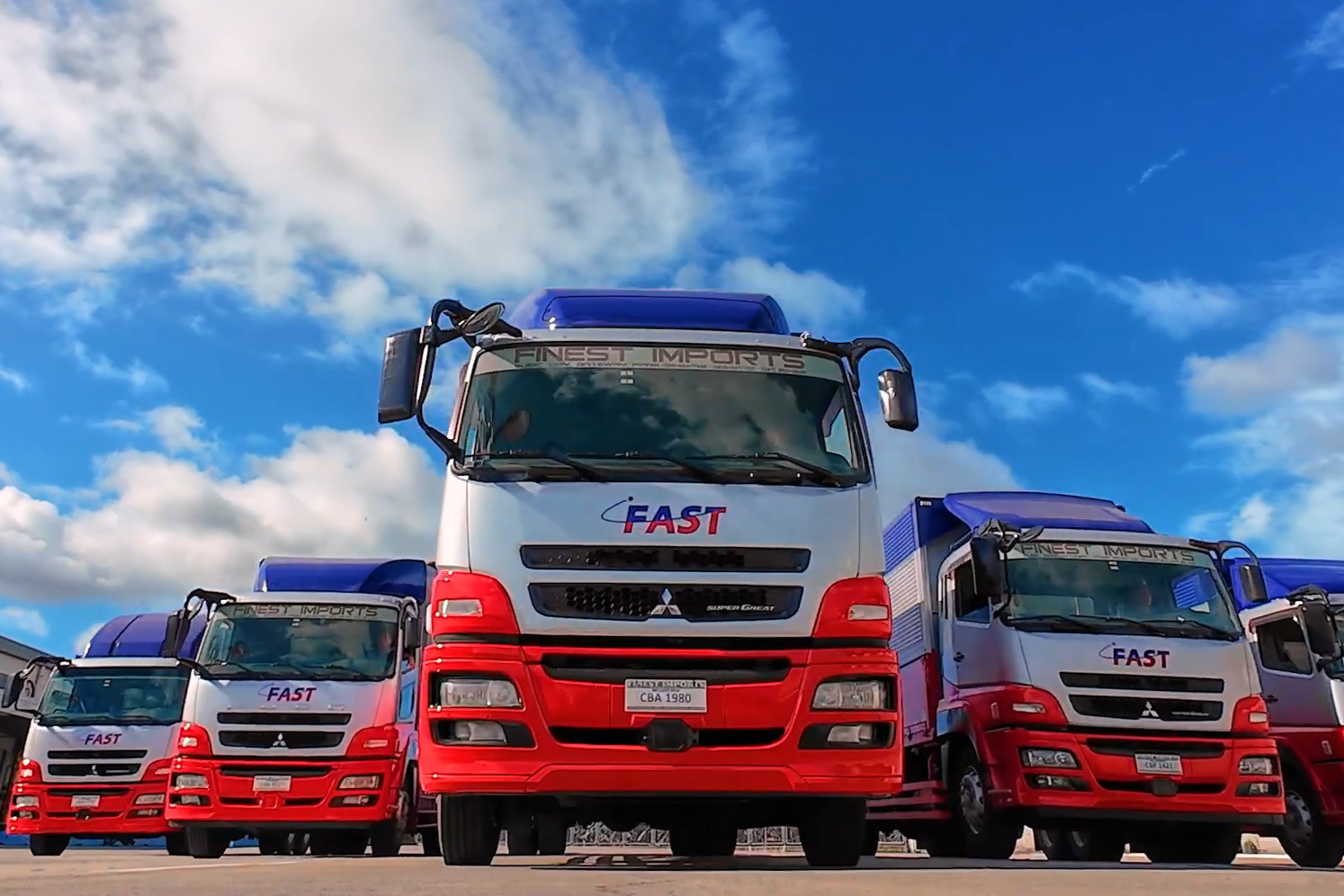
FAST Logistics Group provides integrated 3PL and end-to-end logistics solutions covering multi-modal transportation, warehousing, cold chain, cross-docking, toll manufacturing or value-added services, and other supply chain services. With more than 50 years of experience, FAST combines logistics infrastructure with deep knowledge of the Philippine market.
For hotels, restaurants, resorts, and leisure businesses, relevant FAST capabilities include:
Nationwide Logistics Network
FAST’s network covers 94% of Philippine provinces, with operations across Luzon, Visayas, and Mindanao. For more than five decades, businesses of all sizes have been partnering with FAST to serve high-volume trade corridors and remote areas with integrated 3PL solutions.
For hospitality businesses managing multiple properties, geographic coverage can provide a foundation for coordinating supply requirements across different locations.
Integrated Warehousing and Transportation
FAST combines end-to-end warehousing management and multimodal transportation capabilities, including trucking, RoRo, sea freight, and air freight.
This allows logistics requirements to be coordinated across different stages of the supply chain rather than treating each movement as a separate activity.
FAST also supports single-drop and multi-drop deliveries, which can be useful for regular replenishment and restocking across multiple hospitality locations.
Intelligent Cold Chain Logistics
For hotels and restaurants with food and beverage requirements, FAST provides intelligent cold chain solutions to maintain product freshness and quality. FAST offers temperature-controlled storage and transport for frozen, chilled, and ambient products.
This allows businesses to address temperature-sensitive food and beverage requirements as part of their broader logistics strategy.
Tech-Enabled Logistics Operations
FAST uses technology to support logistics visibility and operational management.
Its Honeywell-powered Warehouse Management System (WMS) supports inventory and warehouse operations, while its FarEye-powered Transportation Management System (TMS) supports shipment tracking, route optimization, and delivery management.
Flexible and Scalable Logistics Solutions
Hospitality logistics requirements can vary significantly depending on business size, number of properties, location, cargo type, and operating model. FAST provides flexible logistics solutions across transportation and warehousing, tailored to meet diverse operational needs.
For warehousing, FAST offers a pay-per-use model or variable warehousing, allowing businesses to pay only for the pallet space they actually use. For transportation, FAST supports a wide range of truck types and load requirements—from less-than-truckload (LTL) and full truckload (FTL) shipments to 10-wheelers, 6-wheelers, forward trucks, AUVs, and more.
FAST also offers flexible service options to match different logistics requirements, including hub-to-hub, door-to-door, door-to-pier, and pier-to-door services.
Reverse Logistics
Hospitality businesses may also need to return products, equipment, assets, or other materials.
FAST provides reverse logistics solutions to help coordinate these movements as part of the overall supply chain, rather than treating returns as a separate process. This enables businesses to manage returns efficiently alongside their regular logistics operations.
Insurance Coverage and Claims Management
Hospitality businesses should understand how cargo risks, insurance, and claims are handled before entering into a logistics agreement.
FAST provides insurance coverage and claims management support, with defined processes for handling damaged, lost, or otherwise compromised shipments and communicating these issues to customers. This helps businesses manage cargo risks with greater visibility and confidence throughout the logistics process.
Is Outsourcing Hospitality Logistics to a 3PL Right for Your Business
For hospitality businesses, logistics is about more than moving products from one location to another. It is about ensuring the right supplies reach the right property at the right time—without adding unnecessary complexity to hotel, restaurant, resort, or leisure operations.
As businesses expand across the Philippines, managing transportation, warehousing, manpower, and multiple logistics requirements in-house can become increasingly complex. A capable 3PL can provide the infrastructure, multimodal transportation, warehousing, cold chain, technology, manpower, local expertise, and operational experience needed to support these requirements.
For businesses managing multiple properties, preparing renovations or new openings, or looking for greater supply chain visibility, outsourcing logistics can be a strategic decision.
The key is choosing a 3PL that can support your current operations while scaling your business. The right logistics partner can help simplify supply chain management and give hospitality teams more time to focus on what matters most: delivering a consistent and excellent customer experience.
With over 50 years of industry leadership, FAST Logistics Group is the leading end-to-end logistics solutions provider in the Philippines. Connect with our Solutions Experts to learn how FAST can develop a logistics solution for your business.
Categories
-
FAST Ahead
Includes case studies and testimonials of our partners as well as other featurettes from industry experts
-

FAST Hacks
We simplify logistics terms and provide practical tips and solutions for the DIY in you
-
FAST Highlights
Know more about our history, various brands, achievements, and news updates
-

FAST Moments
Get to know the people of FAST, our employee programs, as well as our various ways of giving back to the community
-
FAST Solutions
Learn more about the various logistics solutions that we cater to and offer our clients, as well as tech innovations, and service facilities
Related Stories
FAST Logistics Head Office Manila, FSC JFC Calamba Recertified for ISO 9001:2015
FAST Logistics Group, with over 50 years of industry leadership, continues to set the standard for end-to-end logistics and supply chain management in the Philippines. The FAST Logistics Head Office in Manila and the FAS...

Toll Manufacturing in Logistics Explained: Everything You Need to Know
Toll manufacturing is an outsourcing arrangement where a company provides its own raw materials or semi-finished goods to a third-party provider. The third party uses its specialized facilities, equipment, and labor to p...

FAST Logistics Group is the leading end-to-end logistics and supply chain solutions provider in the Philippines. With over 50 years of industry leadership, we offer a comprehensive suite of services including multi-modal transportation, warehousing, cross-docking, cold chain, and toll manufacturing solutions.
© Copyright 2026 FAST Logistics