Reliable logistics infrastructure and integrated supply chain solutions are essential to strengthening Cebu’s competitiveness, attracting investments, and helping businesses expand into new markets, government officials and industry leaders emphasized at the FAST Logistics Solutions Forum 2026.
The forum, organized by FAST Logistics Group, brought together business executives, entrepreneurs, and government representatives to explore how logistics, infrastructure development, and public-private collaboration can help Cebu enterprises improve market access and pursue growth opportunities.
Paulo Uy, head of the Cebu Provincial Investment and Promotions Office and Digitalization of the Provincial Government of Cebu, underscored that logistics is a critical driver of business competitiveness, investment readiness, and economic development.
While Cebu has an established economic base and strategic advantages as a major commercial center outside Metro Manila, businesses continue to face challenges involving operating costs, infrastructure constraints, and access to larger markets.
Paulo cited the slowdown in the province’s economic growth from 7.4% in 2024 to 2.7% in 2025, highlighting the need to strengthen the conditions that enable enterprises to operate efficiently and compete.
He noted that Cebu’s strategic location and logistics infrastructure, such as ports, airports, and industrial areas, provide a strong foundation for economic growth. But he said these investments must be complemented by efficient transportation, storage, cargo handling, and market connectivity.
“There is a difference between saying that Cebu has potential and demonstrating that Cebu can perform. Potential attracts attention. Performance earns confidence,” Paulo said.
Cebu Investment Strategy Puts Emphasis on Logistics
Paulo emphasized that logistics should be integrated into investment planning and economic development strategies, noting that businesses contend with transportation expenses, delivery delays, and inventory costs, among other supply chain challenges.
“That is where logistics becomes more than a supporting service. It becomes part of our investment strategy,” he said.
Paulo also highlighted the importance of developing integrated supply chains that connect producers, manufacturers, distributors, and consumers. He stressed that helping qualified micro, small, and medium enterprises (MSMEs) meet the requirements of larger buyers would enable more local businesses to participate in broader commercial networks.
“The goal is to help qualified enterprises understand the standards, improve their capabilities, and compete for genuine commercial opportunities,” he said.

Strengthening Cebu’s Logistics Competitiveness
Complementing the government’s perspective, maritime leader and entrepreneur Capt. Rodien Paca discussed the importance of improving Cebu’s logistics infrastructure and operational capabilities to strengthen the province’s competitiveness.
Rodien, who is also president and co-founder of consultancy and manpower firm Paca Training and Management Systems Inc., cited the 7.9% growth of Cebu City’s transportation and storage sector.
He emphasized the need to sustain this momentum through efficient ports, reliable shipping services, and improved road networks and traffic flow.
Addressing the audience, he also noted the importance of having a skilled logistics workforce and digital tracking and coordination systems.
“Cebu cannot compete on location alone. Logistics reliability must become our advantage,” he said.
He explained that Cebu’s competitiveness depends on its ability to deliver faster port and border processes, reliable port and road connections, predictable delivery schedules, and real-time cargo visibility.
Rodien also discussed operational inefficiencies and logistics costs that affect businesses in the Philippines. He cited typical cargo dwell times at ports of three to seven days, truck turnaround times at terminals of two to six hours, and Manila-to-Cebu shipping lead times of two to six.
Citing data from the Organisation for Economic Co-operation and Development (OECD), he noted that Philippine businesses spend approximately 27% of their sales on logistics, compared with 21% in Indonesia, 20%–25% in Thailand, and 8%–10% in Singapore.
Addressing these challenges requires investments in infrastructure as well as improvements in people, processes, and technology, he siad.
“A skilled workforce, efficient processes, and digital technology make Cebu logistics more competitive, inclusive, and scalable for both SMEs and industry,” Paca said.
Leveraging FAST’s Cebu Infrastructure to Help Businesses Scale
Providing a business perspective on how logistics solutions can address these challenges, FAST Chief Operating Officer for Transport Operations Bobby Lim highlighted the company’s established infrastructure and integrated logistics capabilities across Cebu.
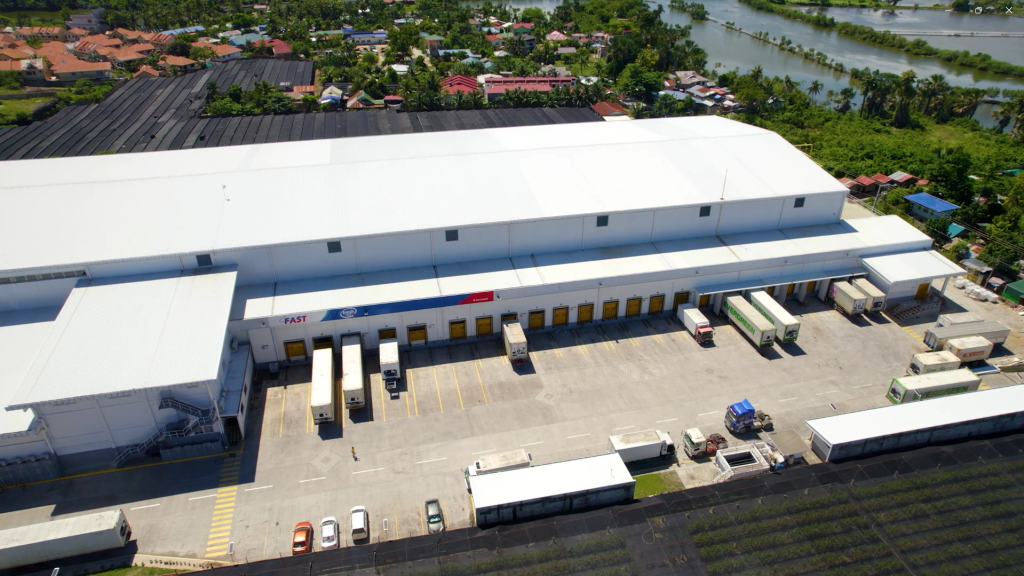
FAST operates dry warehouses, cold storage facilities, and transportation and cross-docking hubs strategically located in Cebu City, Mandaue City, and Consolacion. These facilities support the distribution requirements of national corporate accounts, including multinational companies and major conglomerates whose products originate in Luzon and are distributed across the country, including Cebu.
FAST’s infrastructure also serves businesses across various industries, including food and beverage, household and personal care, clothing and apparel, and industrial products.
Bobby emphasized that businesses of different sizes can outsource their logistics operations to FAST, allowing them to concentrate on their core competencies while leveraging an established logistics network without having to invest in and build their own infrastructure.
Providing Logistics Solutions and Nationwide Infrastructure for Cebu Businesses
Through its integrated end-to-end logistics solutions, FAST helps businesses manage their supply chain requirements.
“At FAST, we focus on identifying measurable opportunities to improve efficiency, delivery performance, and cost-to-serve,” Bobby said. “We align these improvements with each customer’s service requirements because cost efficiency must go hand in hand with reliable service.”
The company’s nationwide network further strengthens its capacity to support businesses expanding beyond their existing markets. FAST works with more than 900 trucking partners to manage a fleet of over 3,100 trucks nationwide.
Its multimodal transportation network includes partnerships with 14 shipping lines for sea freight and 2 airline carriers for air freight.
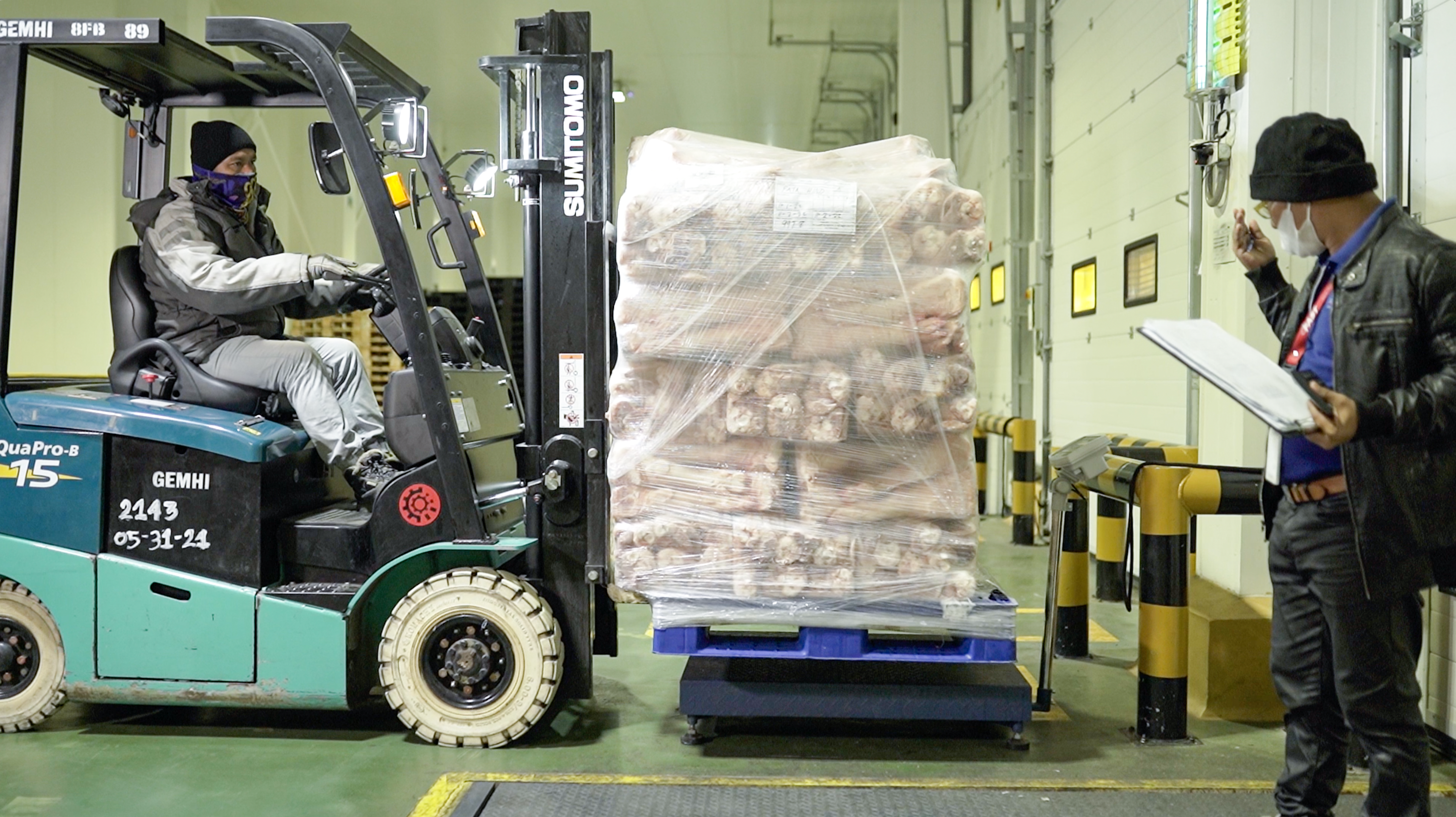
FAST also operates over two million square meters of warehouse space nationwide, with capacity exceeding one million pallet positions for dry and cold goods. Its solutions serve multiple industries, including fast-moving consumer goods, pharmaceuticals, agriculture, automotive, and industrial sectors.
By providing access to established logistics infrastructure and a nationwide distribution network, Bobby said FAST enables businesses to align their supply chain capabilities with their expansion plans and respond to evolving market requirements.
Public-Private Collaboration to Strengthen Regional Trade
The importance of collaboration in addressing Cebu’s logistics and trade requirements was further emphasized by Marivic Aguilar, Provincial Director of the Department of Trade and Industry (DTI)-Cebu Provincial Office, who delivered the government’s message of support at the forum.
Marivic acknowledged the critical role of logistics in supporting the province’s business development agenda and highlighted collaborative initiatives between government and the private sector to improve regional trade and connectivity.
Among these initiatives is the Supply Chain & Trade Logistics Alliance, also known as the Cebu Trade Logistics Alliance, spearheaded by DTI and the Cebu Chamber of Commerce and Industry. FAST is a member of the alliance.
The multi-sectoral initiative brings together government agencies and business organizations to strengthen Central Visayas’ commerce, address shipping bottlenecks, and support local enterprises.
It aims to connect regional logistics operators, cold storage providers, shipping lines, and MSMEs to improve supply chain coordination and facilitate trade.
Such collaborative efforts underscore the importance of aligning government initiatives, private sector investments, and logistics capabilities to create a more efficient and competitive business environment.
FAST Logistics Group: Trusted Partner of Cebu Businesses and Enabler of Economic Growth
Cebu’s position as a major commercial center and gateway to the Visayas and Mindanao provides significant opportunities for businesses seeking to expand their market reach and strengthen their presence in the Philippine economy.
But realizing this potential requires more than strategic location and investment opportunities. Reliable logistics infrastructure, efficient supply chain operations, skilled people, technology adoption, and stronger public-private partnerships are equally important in translating economic opportunities into measurable business outcomes.
As Cebu continues to strengthen its position as a regional economic hub, FAST Logistics Group remains committed to providing businesses with accessible, reliable, and integrated end-to-end logistics solutions that connect markets, enable expansion, and contribute to the country’s economic development. Connect with our Solutions Experts to learn more
Categories
-

FAST Ahead
Includes case studies and testimonials of our partners as well as other featurettes from industry experts
-

FAST Hacks
We simplify logistics terms and provide practical tips and solutions for the DIY in you
-

FAST Highlights
Know more about our history, various brands, achievements, and news updates
-

FAST Moments
Get to know the people of FAST, our employee programs, as well as our various ways of giving back to the community
-
FAST Solutions
Learn more about the various logistics solutions that we cater to and offer our clients, as well as tech innovations, and service facilities
Related Stories

Best Delicacies in Bohol – Must-Try Dishes and Pasalubongs
FAST Logistics Group, the leading logistics and distribution company in the Philippines, features the best delicacies in Bohol including dishes and treats you should not miss on your next vacation. Bohol is more than jus...
8 Expert Tips to Help Businesses Navigate and Survive Fuel Crisis
Rising fuel costs are affecting supply chains across Asia, including the Philippines. It increases logistics expenses and creates risks to supply availability. Businesses must adapt quickly to remain competitive. Not all...

Delivering Persuasive Business Presentations – Top Techniques and Best Practices
FAST Logistics Group, the leading end-to-end logistics company in the Philippines, offers insights into top techniques and best practices in delivering persuasive business presentations to help employees and professional...

FAST Logistics Group is the leading end-to-end logistics and supply chain solutions provider in the Philippines. With over 50 years of industry leadership, we offer a comprehensive suite of services including multi-modal transportation, warehousing, cross-docking, cold chain, and toll manufacturing solutions.
© Copyright 2026 FAST Logistics