
Reliable logistics plays a critical role in successful Philippine market entry. ASEAN businesses can navigate the Philippines’ complex business landscape and scale their operations more efficiently by partnering with logistics providers that offer deep local expertise and nationwide infrastructure.
The Philippines offers businesses from Association of Southeast Asian Nations (ASEAN) member-states opportunities to invest and tap into its growing consumer market. But businesses need more than market demand to turn these opportunities into sustainable growth.
ASEAN businesses have a strategic advantage when they have a clear understanding of the country’s operating environment and a supply chain designed to navigate its complexities. The good thing is they do not need to study it from scratch or build their own infrastructure to make it work. They can work with a reliable third-party logistics (3PL) provider like FAST Logistics Group to seize opportunities.
As the Philippines hosts the ASEAN Summit in 2026, these priorities take on greater significance. Stronger regional economic ties can open doors for businesses looking to establish a local presence, expand their distribution networks, and serve a broader customer base.
Understanding the Philippine Market: Key Considerations for ASEAN Businesses
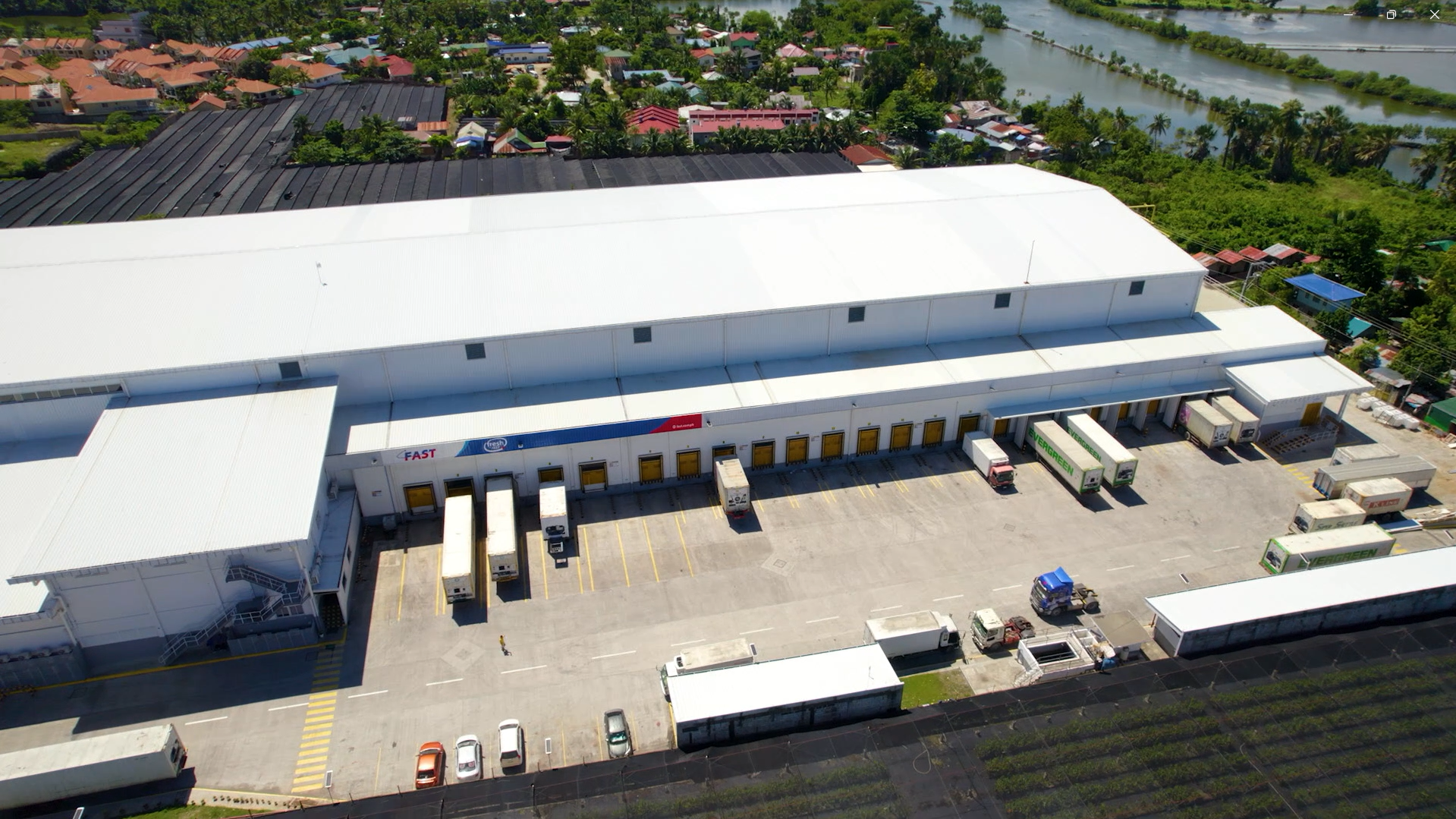
For foreign brands looking to establish or expand their presence in the Philippines, logistics is a critical part of market-entry planning. The Philippines’ country’s archipelagic geography, fragmented retail landscape, and diverse distribution requirements introduce operational complexities that businesses must consider from the outset.
Logistics here should not be treated as logistics in the Philippines’ neighboring countries, like those geographically compact markets or landlocked states. Treating Philippine logistics as an implementation of detail after marketing and sales plans are finalized can lead to higher costs, delayed deliveries, and inconsistent service levels.
Several factors make the Philippine market particularly distinct:
1) Archipelagic Geography and Multimodal Transportation
With more than 7,600 islands, the Philippines presents unique distribution challenges, particularly for businesses seeking to reach markets beyond Metro Manila and Luzon.
Nationwide distribution requires multiple modes of transportation, including land freight, roll-on/roll-off (RoRo) shipping, sea freight, and air freight. For foreign companies unfamiliar with the local logistics landscape, it means you have to coordinate with multiple trucking companies, shipping lines, and airline operators to ship goods. Businesses must also manage shipment delays caused by port congestion, weather disruptions, and other operational constraints.
2) Logistics Cost Pressures
The Philippines’ archipelagic geography contributes to the complexity and cost of nationwide distribution. Logistics costs account for about 27% of wholesale prices in the Philippines, compared with 21% in Indonesia, which faces similar geographic challenges.
This difference underscores the importance of efficient distribution planning. Decisions involving warehousing and transportation can directly affect product pricing, profit margins, and service-level commitments. Businesses must therefore consider the total cost of distribution when developing their market-entry strategies.
3) Fragmented Retail Landscape
One thing foreign businesses should know is the fragmented nature of the Philippine retail landscape, which plays a significant role in how Filipino consumers discover and purchase products. The market spans hypermarkets, supermarkets, convenience stores, pharmacies, and general trade outlets. All of these have unique replenishment requirements and delivery standards, which businesses need to integrate into their supply chain strategies.
A distribution model that works for large retail chains may not be suitable for the general trade or smaller neighborhood stores. Understanding these differences is essential to ensuring that products reach the right customers efficiently.
4) Diverse Fulfillment Requirements
Fulfillment also varies per region. While e-commerce platforms offer growing opportunities in urban centers, physical stores and retail chains remain important distribution channels in many parts of the country. Businesses must therefore consider an approach that accommodates both online and traditional retail, depending on their target markets and customer preferences.
A logistics partner with an established warehousing and transportation network can help businesses streamline distribution, improve replenishment efficiency, and extend their reach to retail outlets across different regions.
5) Risk and Business Continuity
Foreign businesses must also account for weather-related disruptions, transportation delays, supply shortages, and fluctuations in operating costs. On average, the Philippines experiences around 20 typhoons per year. These risks can affect delivery schedules and overall sales. ASEAN companies should thus develop a business continuity plan with their 3PL partner.
For example, a one-day port closure can result in several days of delay in sea freight movements, depending on vessel schedules, port congestion, and subsequent transportation arrangements. Such disruptions can affect inventory replenishment and customer commitments. For consumer goods, product availability across retail chains remains a strategic advantage for maximizing market reach.
Should Your Business Enter or Expand into the Philippines
While these considerations may appear daunting, they should not discourage businesses across ASEAN member states from exploring opportunities in the Philippines. Foreign businesses should still enter or expand into the Philippine market.
The Philippines offers significant potential, supported by the following:
- A large consumer base. With a population of over 112 million, the Philippines offers businesses opportunities to reach consumers across different regions and market segments.
- A young and increasingly digitally connected population. Growing digital adoption creates opportunities for businesses to strengthen their market presence, engage consumers, and explore new sales channels.
- Demand for affordable, quality products. Businesses that balance competitive pricing with product quality can tap into consumer demand across a range of categories.
- Opportunities for regional trade and investment. As ASEAN economic integration advances, businesses can explore cross-border partnerships, strengthen regional supply chains, and build commercial relationships with Filipino consumers and enterprises.
- Government initiatives and investment incentives. Depending on the nature of the investment and applicable eligibility requirements, foreign businesses may benefit from government programs designed to attract investment, support priority industries, and encourage economic development. The Philippines is particularly positioning itself as a regional hub for AI and green manufacturing.
Yet realizing this potential requires more than a compelling product or a strong market-entry strategy. Businesses should establish a supply chain capable of navigating the country’s geographic and operational complexities.

Build Your Own Logistics Infrastructure or Partner with a 3PL
Foreign businesses entering the Philippine market must decide whether to build their own logistics infrastructure or partner with a local third-party logistics company or 3PL provider.
In brief, building your own logistics operation offers greater direct control but requires significant investment. Foreign businesses that partner with a local 3PL provider with strong market expertise gain access to existing logistics infrastructure and distribution networks, helping accelerate market entry.
For your consideration, here’s how the two options compare:
| Factor | Independent Logistics Setup | 3PL Partnership |
| Setup time | Several months or longer | Potentially weeks, depending on requirements |
| Initial investment | Higher costs for warehouses, fleet, systems, and staff | Lower upfront infrastructure investment |
| Technology | Systems must be developed or sourced independently | Existing systems and integration capabilities may be available |
| Nationwide distribution | Requires building regional coverage and carrier networks | Access to an established network, depending on 3PL provider coverage |
| Operational costs | Greater exposure to fixed costs when demand is low | Potentially more flexible costs based on agreed volume |
| Operational control | Direct control over operations and systems | Managed through agreed processes, service levels, and reporting, with the option to terminate the 3PL agreement if the provider fails to meet your requirements |
Neither approach is superior. The right decision depends on projected volumes, investment priorities, and long-term growth plans.
For businesses seeking to establish a local presence without immediately building an entire logistics operation, partnering with an experienced provider can accelerate implementation and focus internal resources on commercial growth.
The critical consideration is whether the chosen logistics model can support the company’s requirements today while accommodating its expansion into new regions, channels, and product categories.
FAST Logistics Group: Your Partner in Philippine Market Entry
For FAST Logistics Group, logistics is not simply the movement and storage of goods. It is the coordination of capabilities that enables businesses to reach customers and maintain product availability during disruptions.
With more than 50 years of industry experience, FAST has developed integrated end-to-end logistics capabilities serving multinational companies, major Filipino conglomerates, and small and medium-sized enterprises across the Philippines. FAST is also experienced in supporting the market entry and expansion of ASEAN companies.
FAST provides 3PL services or contract logistics, warehousing, multimodal transportation, cold chain, cross-docking, and value-added services. These capabilities allow businesses to explore a more coordinated approach to supply chain management through a single logistics partner.
If you are establishing your initial market presence or expanding an existing operation, the right logistics strategy can help you manage complexity and build a stronger foundation for growth. Connect with our Solutions Experts so you can have a seamless market entry or business expansion
Categories
-

FAST Ahead
Includes case studies and testimonials of our partners as well as other featurettes from industry experts
-

FAST Hacks
We simplify logistics terms and provide practical tips and solutions for the DIY in you
-

FAST Highlights
Know more about our history, various brands, achievements, and news updates
-

FAST Moments
Get to know the people of FAST, our employee programs, as well as our various ways of giving back to the community
-
FAST Solutions
Learn more about the various logistics solutions that we cater to and offer our clients, as well as tech innovations, and service facilities
Related Stories

Shared Logistics in the Philippines: How to Stay Competitive Amid Rising Supply Chain Costs
The rising cost of logistics and supply chain operations in the Philippines is putting pressure on businesses of all sizes. They should thus take advantage of shared logistics to remain competitive. Shared logistics refe...

Upwards, Onwards – Embracing Digital Transformation in Selling and Distribution
FAST Logistics Group, the leading end-to-end logistics and selling and distribution company in the Philippines, explores the advantages, challenges, and opportunities presented by digital transformation in selling and di...

Going Green – How Businesses Can Make Their Operations More Eco-Friendly
FAST Logistics Group, the leading end-to-end logistics and distribution company in the Philippines, explores sustainable business practices that organizations can adopt to make their operations more eco-friendly. Consume...

FAST Logistics Group is the leading end-to-end logistics and supply chain solutions provider in the Philippines. With over 50 years of industry leadership, we offer a comprehensive suite of services including multi-modal transportation, warehousing, cross-docking, cold chain, and toll manufacturing solutions.
© Copyright 2026 FAST Logistics