FAST Logistics Group, the Philippines’ leading provider of end-to-end logistics solutions, said reducing truck dwell time is critical to making electric vehicles (EVs) commercially viable in FMCG logistics.
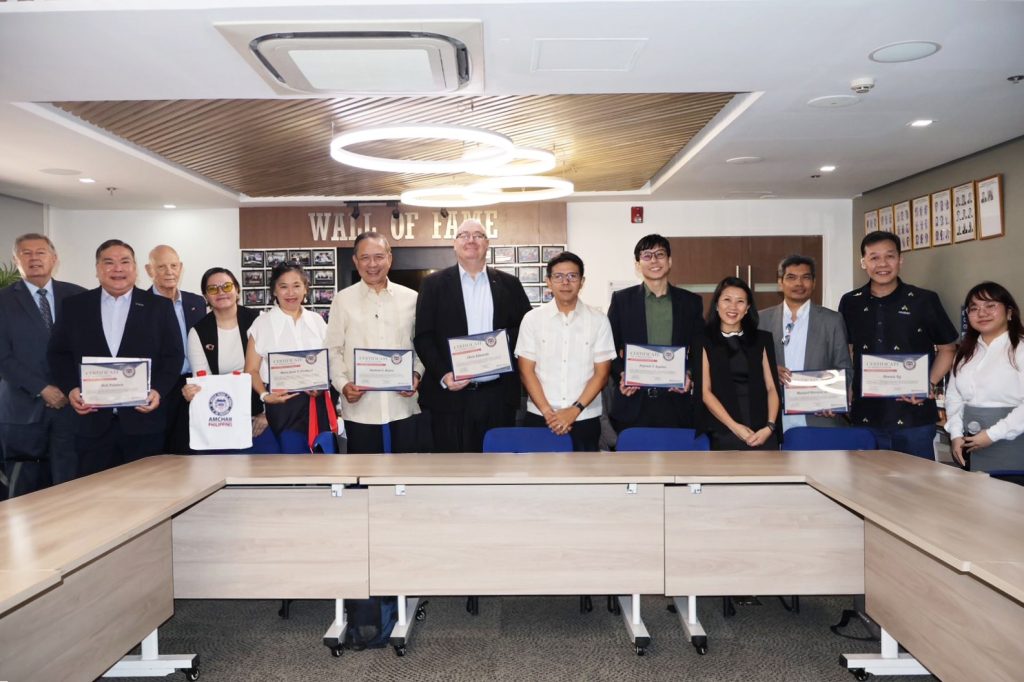
Speaking at the learning session of the American Chamber of Commerce of the Philippines (AmCham), “The Future of FMCG Logistics: Navigating Electric Vehicle Fleets for Sustainability and Commercial Viability,” FAST CEO for Logistics Manuel L. Onrejas Jr. emphasized that EVs can only deliver acceptable returns on investment if they are highly utilized.
The event, held on Thursday, February 19, gathered policymakers, FMCG companies, and logistics service providers like FAST to discuss the shift from internal combustion engine (ICE) trucks to EVs.
Truck Dwell Time Is the Main Barrier to EV ROI
Manny pointed to excessive truck dwell time as the primary constraint limiting EV returns. Dwell time refers to the hours vehicles spend waiting to be loaded at warehouses or unloaded at modern trade outlets.
In some cases, dwell time can reach up to 12 hours. For EVs, which carry significantly higher upfront costs than diesel trucks, such delays directly undermine financial viability.
With more than 3,100 trucks operating daily and over 900 trucking partners nationwide, FAST sees how excessive dwell time slows turnaround and reduces income for truck owners who rely on completed trips.
Improving utilization is critical, Manny said, because EV return on investment depends on the number of trips completed per day. To justify the upfront cost of EVs, he said, trucks must be utilized for 30 to 40 trips monthly.
“If we want EVs to work, we have to improve operational bottlenecks in logistics,” Manny said.
To reduce dwell time in FMCG warehouses, Manny said companies should adopt more efficient picking processes to ensure goods are ready for loading when trucks arrive.
For modern trade, he suggested giving electric trucks “green lane” priority — similar to priority lanes for perishables — to speed up unloading and improve turnaround times.

High Upfront Costs Remain a Challenge
While FAST supports the goals of the Electric Vehicle Industry Development Act (EVIDA), Manny noted that electric trucks can cost more than double their diesel counterparts — a major hurdle in a country already facing high logistics costs.
The high cost of EVs makes FMCG companies hesitant to adopt them for transport operations, especially if they have to pass the additional expenses on to consumers.
As the trusted logistics partner to the country’s largest multinational firms and conglomerates, FAST transports everyday essentials such as coffee, milk, noodles, detergent, shampoo, and diapers. Manny stressed that sustainability initiatives must not translate into higher prices of household items.
“We cannot simply pass sustainability costs to our Principals if those costs are passed on to consumers already struggling with the rising costs of goods and services,” he said.
Manny emphasized that the EV transition must be “practical, inclusive, and economically viable.”
‘Big Brother’ Approach in FMCG Logistics
Given these realities, Manny said FAST is advocating for a “Big Brother” approach — where large companies and industry leaders take the lead in demonstrating that EVs are commercially viable.
He stressed that financing reform is essential. More accessible credit, longer amortization periods, and lower interest rates, especially for small trucking partners, would make EV adoption more realistic and inclusive.
“Operationally, EVs can make sense. But the financing terms have to match reality,” he added.
He also emphasized the need to expand charging infrastructure, noting that today’s network remains limited and constrains long-haul operations. In most cases, FAST has had to build its own EV charging facilities to keep pilot projects moving.
Despite industry constraints, FAST has already launched an EV prime mover with a customized 40-foot trailer wing van — in partnership with an FMCG company — supported by a solar-powered EV charger. Manny said the project demonstrates that large-scale EV deliveries are feasible under controlled conditions.
Manny explained that the multinational company uses the EV truck only to move goods between its own hubs, which makes charging and scheduling predictable and manageable. However, broader FMCG distribution networks do not always offer the same controlled conditions.
FAST Logistics Group: Best Partner of FMCG Companies for EV Transition
As the country’s leading Fourth-Party Logistics (4PL) provider serving many of the Philippines’ FMCG companies, FAST plays a central role in moving essential goods nationwide — from food and beverages to household and personal care products.
The company believes successful EV adoption requires more than vehicle procurement. It requires integrated logistics planning focused on return on investment, operational readiness, and route optimization.
FAST supports FMCG companies in their EV transition through:
- ROI-focused deployment planning, aligning sustainability goals with measurable operational returns
- National-scale FMCG expertise, designing EV use cases suited to high-volume, time-sensitive distribution
- Warehouse integration capabilities, enabling pre-picking and staging to reduce loading delays and improve utilization
- Strategic route selection, assigning EVs to corridors where charging, dwell time, and trip frequency align
- Charging readiness support, including site planning and operational scheduling
Connect with our Solutions Experts to learn how FAST can support your EV transition
Categories
-

FAST Ahead
Includes case studies and testimonials of our partners as well as other featurettes from industry experts
-

FAST Hacks
We simplify logistics terms and provide practical tips and solutions for the DIY in you
-

FAST Highlights
Know more about our history, various brands, achievements, and news updates
-

FAST Moments
Get to know the people of FAST, our employee programs, as well as our various ways of giving back to the community
-
FAST Solutions
Learn more about the various logistics solutions that we cater to and offer our clients, as well as tech innovations, and service facilities
Related Stories
Choosing the Right Sea Freight Solutions Provider for Your Business
A dependable and efficient sea freight solutions provider is important for businesses aiming to succeed in today’s competitive landscape. Partnering with a trusted provider to handle your sea freight needs can greatly ...
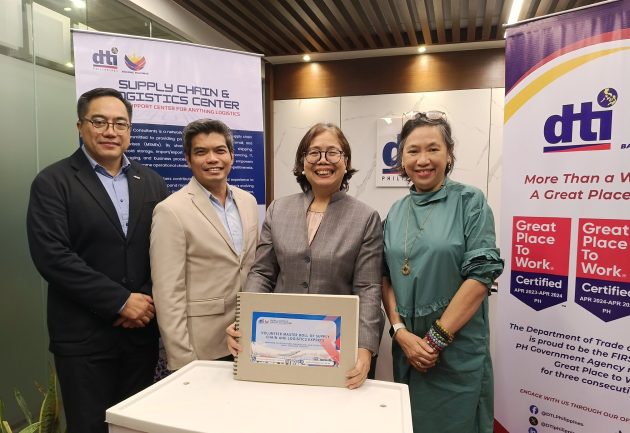
FAST Executives Take Oath as Members of DTI Supply Chain and Logistics Guild
Three executives from FAST Logistics Group have officially taken their oath as members of the DTI Supply Chain and Logistics Guild, reaffirming the company’s leadership role in advancing logistics development and suppo...
How to Package and Distribute Your Food Products: Expert Advice from an Up-and-coming Local Entrepreneur | Natuk
Arnold Lasay from Natuk gives his tips on shipping perishable food products effectively and efficiently. Discover the best practices for packaging, labeling, and distributing your food products. People in the food busine...

FAST Logistics Group is the leading end-to-end logistics and supply chain solutions provider in the Philippines. With over 50 years of industry leadership, we offer a comprehensive suite of services including multi-modal transportation, warehousing, cross-docking, cold chain, and toll manufacturing solutions.
© Copyright 2026 FAST Logistics