
Digital fluency and artificial intelligence (AI) literacy will be the most critical competencies shaping the Philippine logistics workforce, as supply chains become increasingly automated, data-driven, and disruption-prone, according to FAST Logistics Group.
The Philippines’ leading provider of integrated end-to-end logistics solutions said that while automation continues to transform the industry, demand for skilled Filipino logistics professionals is accelerating — particularly for those who can work confidently with digital systems and AI-enabled tools.
“Logistics professionals who understand how to work with AI, interpret data, and use digital platforms will be the ones driving efficiency, sustainability, and growth across the supply chain,” said FAST CEO for Logistics Manuel L. Onrejas Jr.
As more multinational companies, conglomerates, international startups, and micro, small, and medium enterprises (MSMEs) expand in the Philippine market, FAST said logistics roles are evolving beyond manual execution into technology-enabled, decision-making positions.
“AI is changing how we plan routes, manage warehouses, and forecast demand,” Manny said. “Those who know how to use systems such as Warehouse Management Systems and Transport Management Systems, complemented by other AI tools, and those who know how to ask the right questions of data and understand AI’s limitations will always be in demand.”
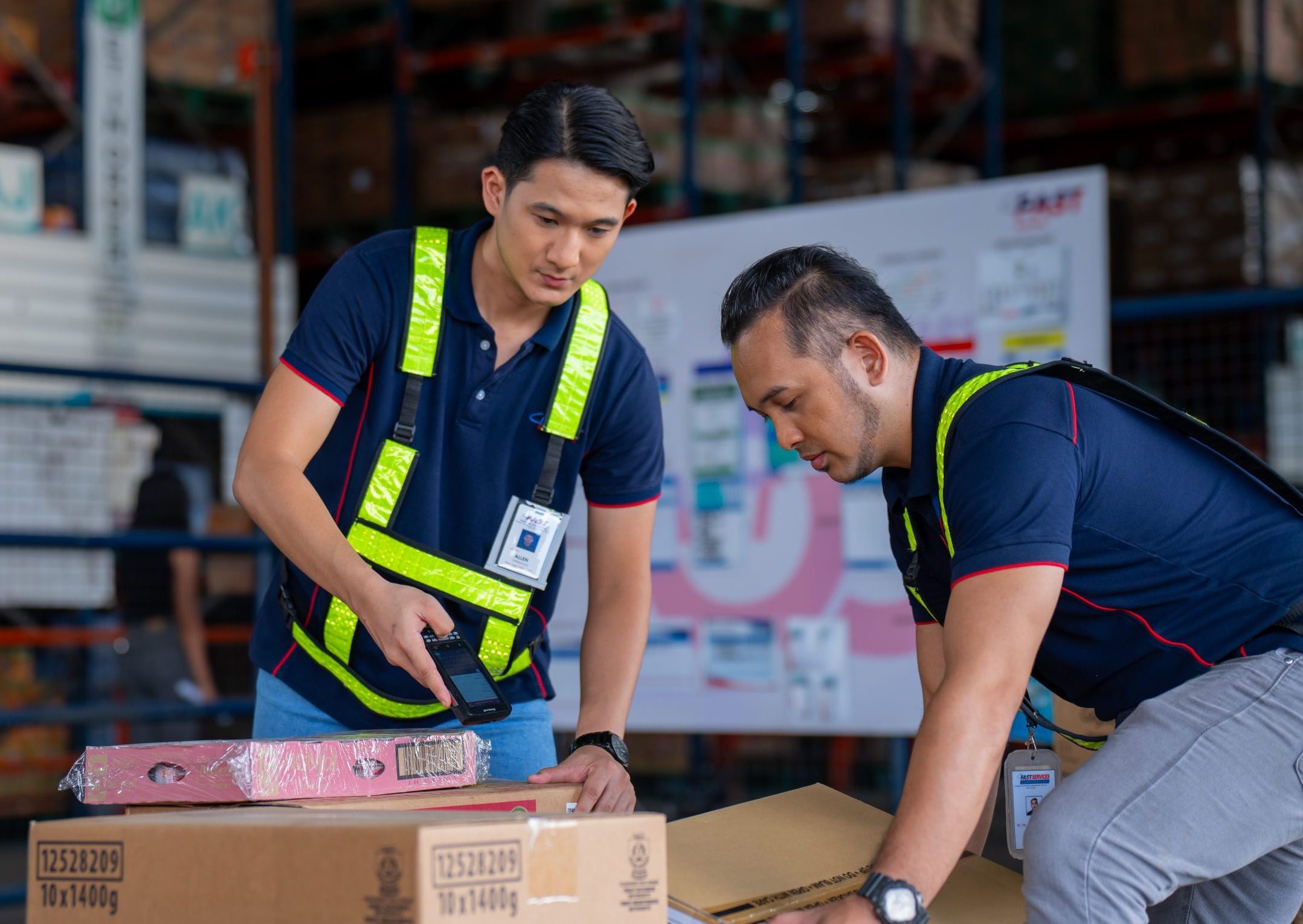
AI-Powered Tools Automate Manual Tasks and Empower Decision-Making
While technology skills drive talent demand, Manny said AI should be viewed as a productivity tool rather than a job threat.
He noted that digital fluency allows logistics professionals to monitor operations in real time, optimize truck utilization, reduce empty miles, and improve delivery accuracy.
Analytical thinking, problem-solving, and technical expertise, such as Material Handling Equipment (MHE) operations and TESDA NCII certifications on warehouse and forklift operations, remain highly valued, Manny also said.
Manny said FAST will need thousands of warehouse personnel, including those with TESDA certifications, to support customer requirements for warehouse transition.
As the company expands its warehousing, transport, and freight forwarding solutions nationwide, demand for logistics workers continues to rise.
Manny said adaptability, communication, and emotional intelligence are also critical competencies, especially during peak seasons and natural disruptions common in the Philippines.
“Technology sets the foundation, but leadership, collaboration, and adaptability make logistics work in the real world,” he added.

FAST Logistics Group: Building AI Skills Across the Philippine Logistics Workforce
To prepare the workforce, FAST continues to invest in training and upskilling through its FAST Learning and Innovation Center in Laguna, as well as its in-house Learning Management System fully integrated with a cloud-based, AI-powered human capital management software platform.
“The future logistics professional is digitally confident, curious, and committed to continuous learning,” said Manny. “At FAST, we’re building that future today.”
FAST currently employs more than 13,000 Filipinos nationwide, delivering end-to-end logistics solutions and serving as an employer of choice for professionals ready to thrive in the tech-driven logistics industry.
Across its nationwide operations, FAST continues to integrate advanced logistics technologies to support faster, safer, and more transparent supply chain. Its warehouses, for example, are supported by Warehouse Management System powered by leading global company Honeywell that helps automate and streamline critical warehouse processes — from receiving and storage to picking and dispatch — while enhancing operational accuracy.
FAST is also exploring computer vision to improve safety and efficiency in its operations. It can help flag potential safety violations. It can also assist in box counting and sortation. These added monitoring capabilities can improve accuracy and productivity.
FAST also uses a Transport Management System powered by FarEye. This system gives end-to-end visibility across its fleet of more than 3,100 vehicles. It supports real-time tracking and route optimization. It also helps improve delivery performance for customers across the country.
In addition, FAST is embedding data analytics and digital platforms across its teams. These tools help analyze operational data and identify efficiency improvements. They also support project management and IT initiatives. At the same time, they help enhance human resource management and improve employee experience across FAST’s growing workforce.
Accelerating Digital Transformation: Raising the Bar in Philippine Logistics
FAST is also accelerating its digital transformation initiatives. The company has implemented enterprise systems for planning, budgeting, HRIS, CRM, and transport management under its Digital Transformation 1.0 program.
Building on this foundation, FAST recently launched Digital Transformation 2.0, which focuses on connecting these systems into a unified data ecosystem. This integration allows AI tools to fully leverage enterprise-wide data to generate deeper insights, improve decision-making, and enhance operational efficiency.
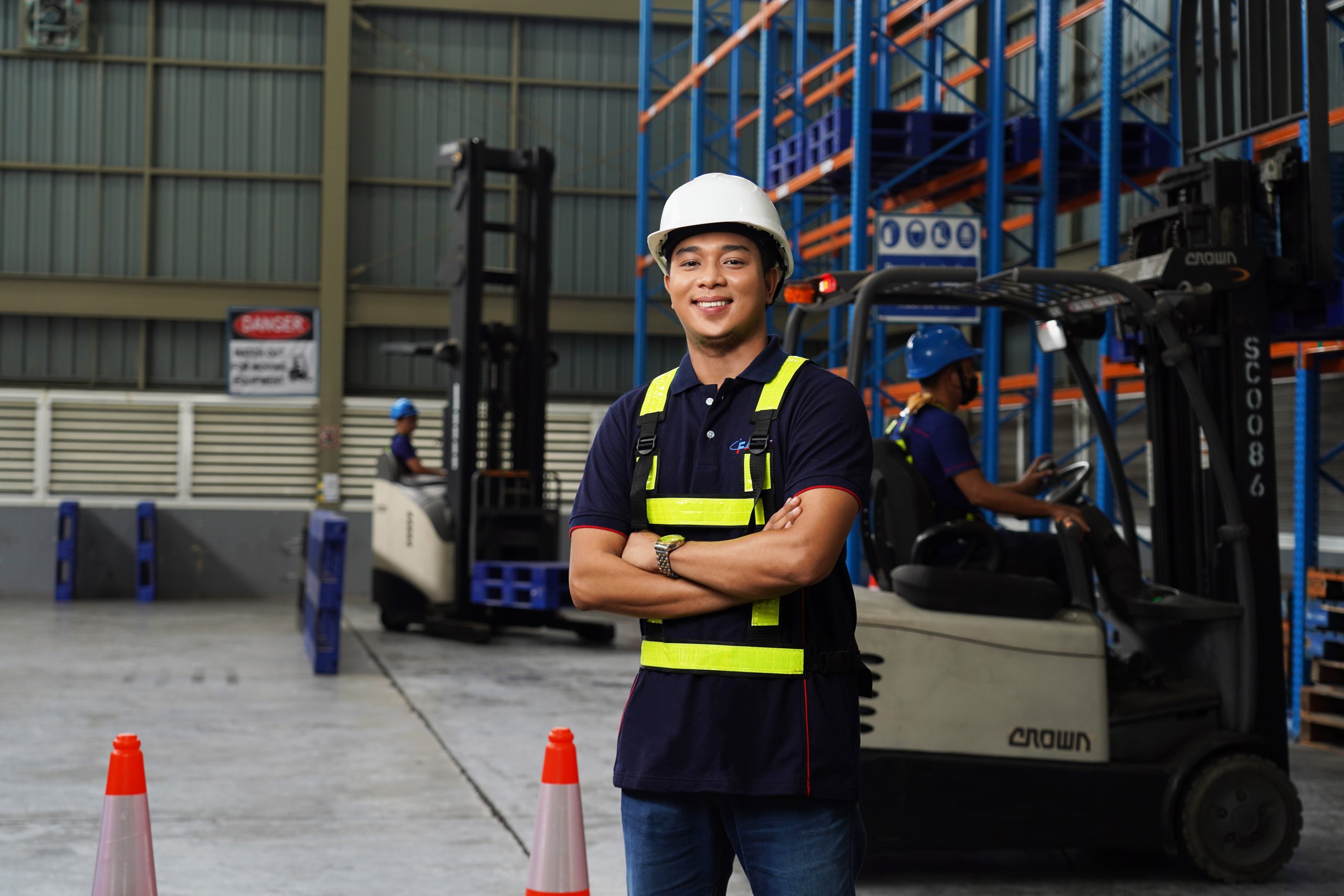
By unifying operational systems with data analytics and AI-powered platforms, FAST gives employees clear visibility into goals, expectations, and progress.
“This integration ensures that our People are our best resource. Performance is assessed objectively, recognition is grounded in real data, and coaching becomes more timely and meaningful,” Manny said.
“With insights that help teams anticipate challenges and identify growth opportunities, FAST empowers employees to strengthen their capabilities and collectively drive the organization toward excellence,” he added.
FAST believes it is among the few logistics companies in the Philippines advancing digital transformation at this scale and pace. Through the deployment of world-class enterprise systems aligned with the needs of multinational customers entering the Philippine market, FAST has established itself as one of the country’s most tech-driven logistics providers.
Connect with our Solutions Experts to learn more
Categories
-

FAST Ahead
Includes case studies and testimonials of our partners as well as other featurettes from industry experts
-

FAST Hacks
We simplify logistics terms and provide practical tips and solutions for the DIY in you
-

FAST Highlights
Know more about our history, various brands, achievements, and news updates
-

FAST Moments
Get to know the people of FAST, our employee programs, as well as our various ways of giving back to the community
-

FAST Solutions
Learn more about the various logistics solutions that we cater to and offer our clients, as well as tech innovations, and service facilities
Related Stories
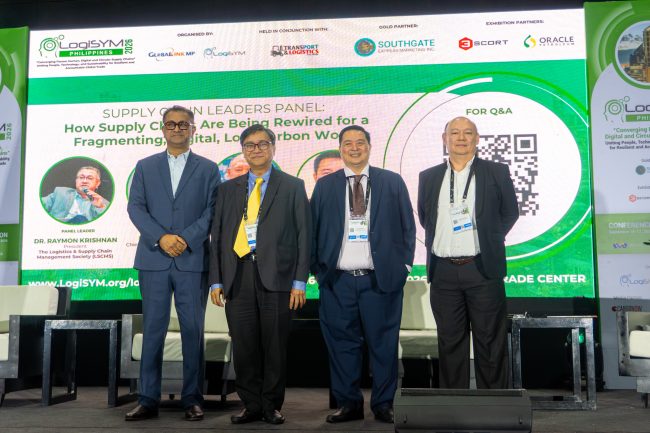
LogiSYM 2026: FAST Logistics Highlights Role of Technology in Supply Chain Resilience
FAST Logistics Group, the Philippines’ leading provider of integrated end-to-end logistics solutions, highlighted at LogiSYM 2026 the critical role of agile, resilient, and technology-enabled supply chain operation...
Supply Chain Resiliency: FAST Logistics Pushes ‘Forward Stocking Strategy’ to Curb Stockouts During Disruption
FAST Logistics Group, the country’s leading end-to-end logistics solutions provider, is calling on companies to adopt a Forward Stocking Strategy that places inventory closer to customers to reduce stockouts and keep g...
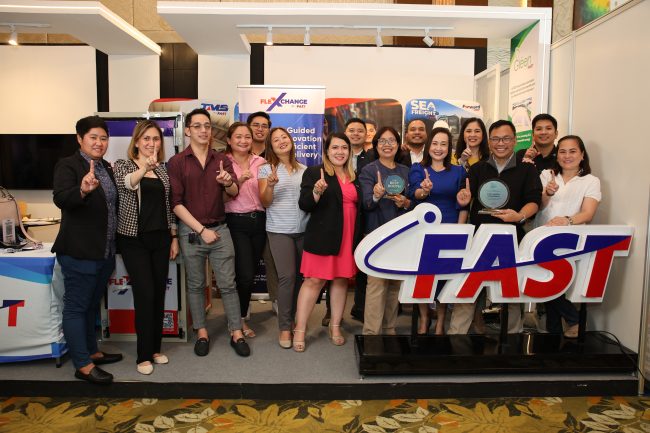
FAST Wins Big at 2024 SCMAP Supply Chain Conference, Reinforces Industry Leadership
FAST Logistics Group, the country’s leading end-to-end logistics and selling and distribution company, further cemented its industry leadership by winning top accolades at the 2024 SCMAP Supply Chain Conference. FA...

FAST Logistics Group is the leading end-to-end logistics and supply chain solutions provider in the Philippines. With over 50 years of industry leadership, we offer a comprehensive suite of services including multi-modal transportation, warehousing, cross-docking, cold chain, and toll manufacturing solutions.
© Copyright 2026 FAST Logistics