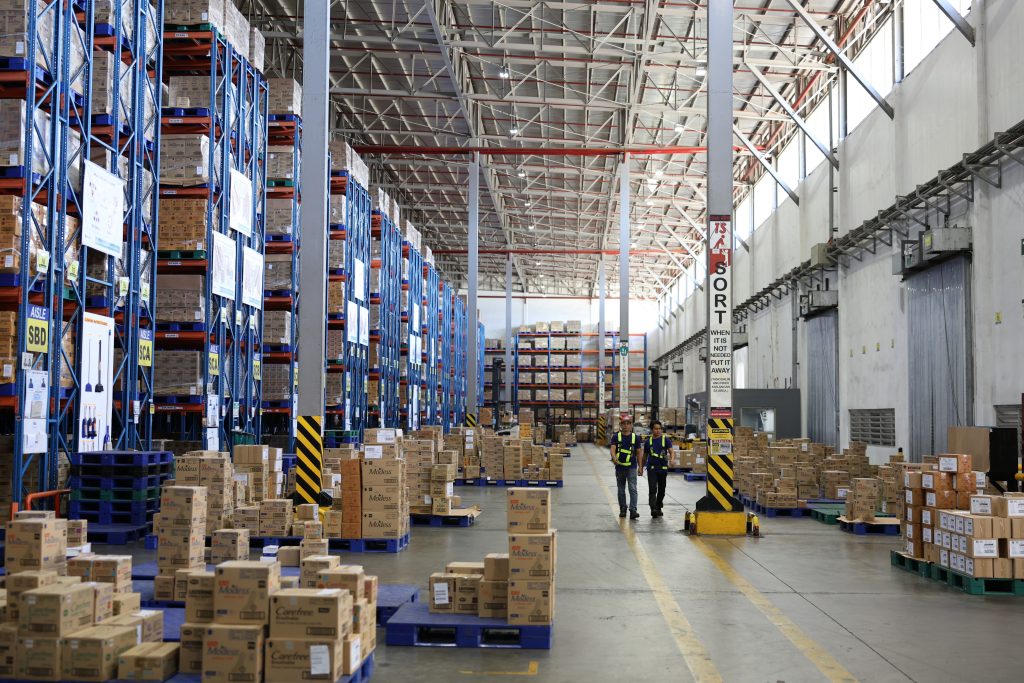
To choose the right FMCG supply chain partner in the Philippines, businesses should evaluate a provider’s end-to-end capabilities, nationwide logistics reach, inventory planning expertise, technology-enabled visibility, execution reliability, and continuous supply chain optimization strategies.
Fast-moving consumer goods (FMCG) companies in the Philippines operate in Southeast Asia’s most complex and expensive logistics environment. Manufacturers and distributors must manage inventory across thousands of islands, meet strict retailer requirements, navigate urban congestion, and keep products available on store shelves despite fluctuating demand.
In this environment, selecting a reliable third-party logistics (3PL) partner is a strategic business decision. It will directly impact customer service, profitability, and growth.
This guide outlines the key factors FMCG companies should consider when evaluating a supply chain provider in the Philippines.
1. Integrated End-to-End Supply Chain Capabilities
A strong logistics partner should be capable of managing multiple stages of the supply chain rather than operating in isolation.
Look for providers that offer integrated solutions spanning warehousing, inventory management, transportation, cold chain logistics, cross-docking, toll manufacturing or value-added services, and modern trade fulfillment. Consolidating these functions under a single provider reduces operational complexity and improves coordination between supply chain activities.
The more connected the operation, the easier it becomes to implement effective end-to-end supply chain management and maintain consistent service levels.
2. Nationwide Logistics Reach
For FMCG companies, network coverage is one of the most important considerations when evaluating a supply chain partner. Businesses should also assess warehouse capacity, fleet availability, multi-modal transport capabilities, and the ability to support both urban and provincial markets. These capabilities become increasingly important as businesses expand their footprint and pursue long-term growth.
Products must move efficiently from factories and warehouses to retailers, distributors, and consumers across Luzon, Visayas, and Mindanao. In a country of more than 7,000 islands, limited geographic coverage often leads to additional vendor relationships, more operational handoffs, and reduced visibility across the supply chain.
A provider with a robust nationwide network can help simplify distribution while improving service consistency. For example, a food manufacturer expanding from Metro Manila into Visayas and Mindanao may struggle with multiple regional logistics providers, each with different processes and service levels. An integrated partner with nationwide coverage can provide a more seamless distribution model, helping ensure products reach supermarket shelves on time while reducing administrative complexity.
3. Inventory Planning and Management Expertise
Inventory represents one of the largest working capital investments for FMCG companies, making effective inventory planning a critical component of supply chain success. Excess inventory can increase storage costs and tie up capital, while stockouts can lead to lost sales, retailer penalties, and reduced customer loyalty.
An experienced logistics partner should do more than store products. They should help improve inventory accuracy, provide visibility into stock movements, and support replenishment planning based on demand patterns. For example, beverage manufacturers often experience significant demand spikes during summer months and holiday seasons. Without proper inventory planning, businesses risk either running out of stock during peak demand or carrying excess inventory once demand normalizes.
The best supply chain providers combine operational expertise with technology-enabled visibility, allowing businesses to monitor inventory levels in real time and make faster, more informed replenishment decisions. They should also have the flexibility to adapt processes, reporting requirements, and system capabilities as customer needs evolve.
4. Technology and Supply Chain Visibility
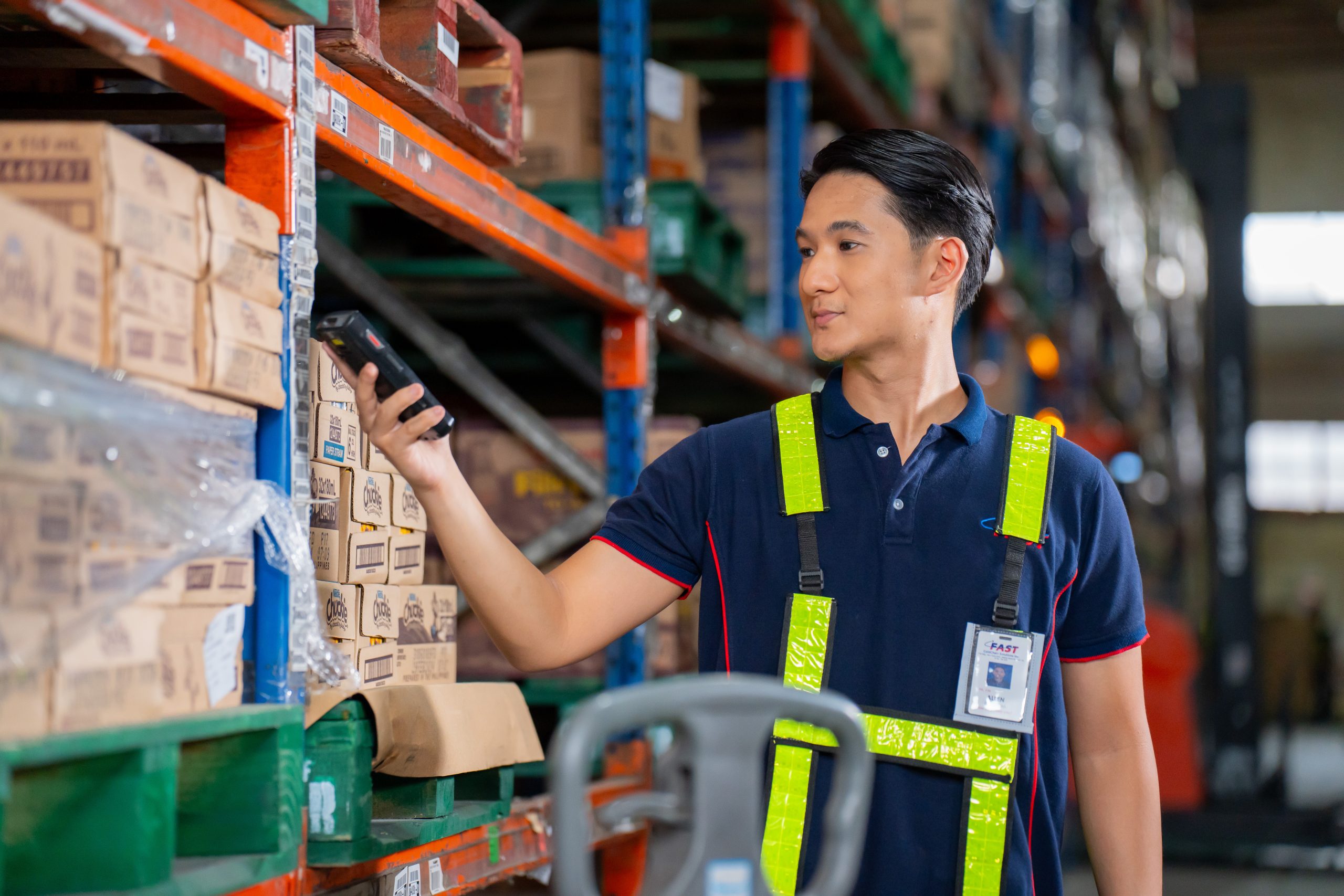
Modern FMCG supply chains generate vast amounts of operational data. Without the right systems in place, businesses often struggle to gain visibility into inventory positions, transportation status, and fulfillment performance, making it difficult to identify inefficiencies or respond quickly to disruptions.
Leading third-party logistics providers or 3PL companies leverage Warehouse Management Systems (WMS), Transport Management Systems (TMS), inventory tracking platforms, and supply chain analytics tools to create a single source of operational truth. These technologies provide real-time insights into stock levels, order fulfillment, vehicle movements, and service performance.
For example, if a retailer unexpectedly increases orders for a fast-moving product, real-time visibility enables supply chain managers to quickly assess available inventory, allocate stock, and adjust transportation schedules before service levels are impacted. This level of visibility not only improves customer service but also supports continuous supply chain optimization and more effective logistics management.
5. Proven Execution and Reliability
Capabilities and technology are important, but operational execution ultimately determines performance. When evaluating a provider, assess their experience in managing high-volume distribution networks, supporting leading FMCG brands, and maintaining service continuity during disruptions.
Reliable 3PL partners for FMCG companies are also experienced in meeting retailer requirements and operating across multiple regions. A proven track record often indicates a provider’s ability to navigate challenges while maintaining service quality and protecting customer relationships.
6. Performance Measurement and Continuous Improvement
A strong supply chain partnership should be built on measurable results.
Leading providers offer visibility into key performance indicators (KPIs) such as on-time delivery rates, inventory accuracy, fill rates, order cycle times, warehouse productivity, transportation performance, and customer service levels.
These metrics provide the foundation for continuous improvement initiatives and long-term supply chain optimization.
Questions to Ask Before Dealing with a 3PL Provider
Before entering into a long-term partnership, FMCG companies should evaluate potential providers through a structured assessment process. Key questions include:
- What percentage of the Philippines can you directly serve?
- How do you measure inventory accuracy and service performance?
- What visibility tools are available to customers?
- How do you manage peak-season demand surges?
- What KPIs do you commit to?
- What contingency plans are in place for operational disruptions?
The answers to these questions can help determine whether a provider is equipped to support long-term business growth.
What FMCG Companies Should Look for in a Long-Term Supply Chain Partner
FMCG companies should prioritize partners that are capable of building more resilient, efficient, and scalable supply chains. Here are some of their qualities:
Scale and Nationwide Reach
Choose a partner with a network that can serve key markets across Luzon, Visayas, and Mindanao.
Technology-Enabled Visibility
Look for systems that provide real-time visibility into inventory, transportation, and service performance.
Operational Expertise
Prioritize providers with experience managing complex FMCG logistics requirements, including retailer compliance and high-volume distribution.
Resilience During Disruptions
Select a partner that can maintain service continuity during demand surges, transportation constraints, and unforeseen market challenges.
Support for Long-Term Growth
The right partner should help build a more resilient, efficient, and scalable supply chain.
Why FMCG Companies Are Reassessing Their Supply Chain Partners
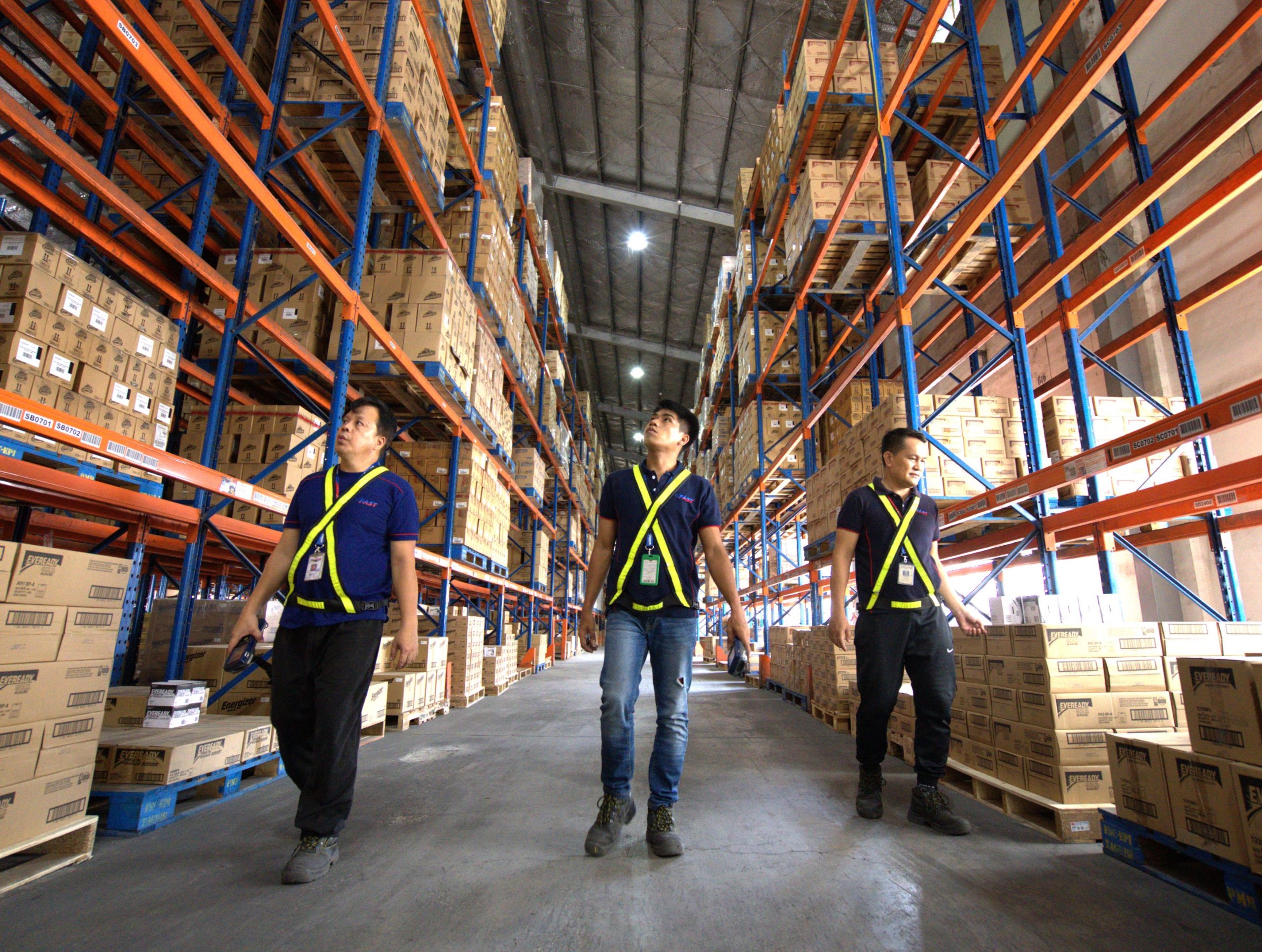
Many FMCG companies are rethinking traditional logistics arrangements as their operations become larger, faster, and more complex. What once worked with separate providers for warehousing, transportation, and distribution can become harder to manage as business requirements evolve.
Expansion Into New Markets
As FMCG companies enter new regions across Luzon, Visayas, and Mindanao, they need a supply chain partner with the reach and capacity to support broader distribution.
Increasing SKU
A growing product portfolio makes inventory planning, warehouse management, and order fulfillment more complex. Companies need stronger systems and processes to maintain accuracy and availability.
Greater Need for Supply Chain Resilience
Disruptions such as demand surges, weather events, transport delays, and market shifts require a partner that can help maintain product movement and business continuity.
Fragmented Visibility
Working with multiple providers often results in disconnected systems and limited visibility across inventory, transportation, and service performance.
Inconsistent Service Levels
Different vendors may follow different processes, standards, and reporting methods, making it harder to deliver consistent service to retailers and customers.
Operational Inefficiency
Multiple handoffs between providers can create delays, miscommunication, duplicate work, and higher administrative effort.
Cost Optimization
FMCG companies are looking for ways to reduce hidden costs, improve asset utilization, and make logistics operations more efficient without compromising service quality.
As a result, more manufacturers are consolidating logistics activities under a single supply chain partner capable of coordinating multiple functions. This approach improves accountability, simplifies communication, and creates better visibility across the supply chain.
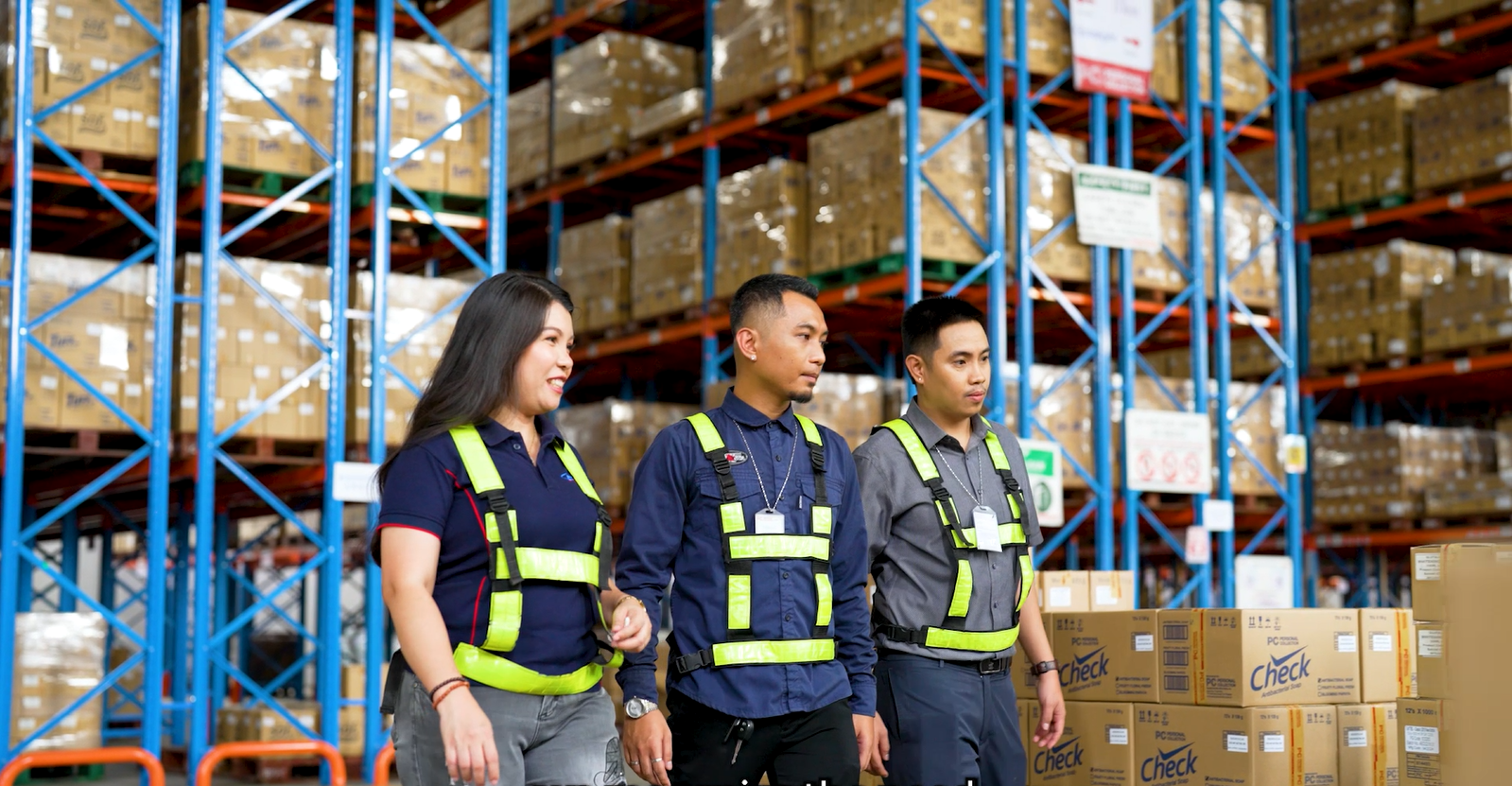
How FAST Logistics Group Supports FMCG Supply Chains
When evaluating a long-term supply chain partner, FMCG companies should focus on outcomes rather than infrastructure alone. The right provider should help improve product availability, increase supply chain visibility, support retailer compliance, and maintain operational continuity even during periods of disruption.
FAST Logistics Group has built its end-to-end supply chain solutions around these business outcomes.
1) Helping Businesses Achieve Nationwide Product Availability
One of the biggest challenges in the Philippine FMCG industry is ensuring products remain available across modern trade, general trade, and emerging consumer markets nationwide. A limited logistics network often results in inconsistent service levels, longer lead times, and increased dependence on multiple vendors.
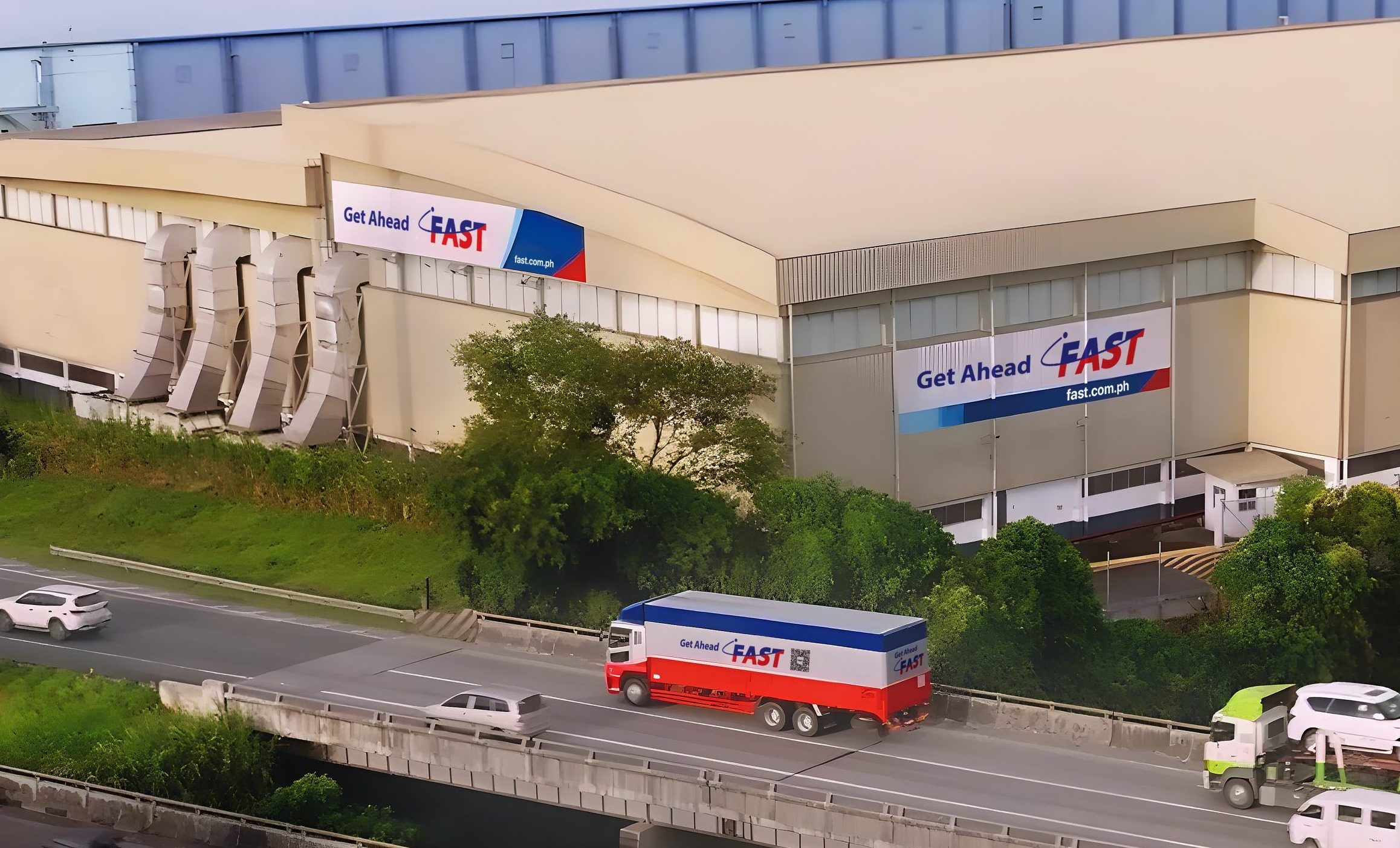
FAST addresses this challenge through one of the country’s largest integrated logistics networks, comprising more than 160 hubs, over 2 million square meters of warehousing space, and a fleet of more than 3,100 vehicles. This extensive footprint enables FMCG companies to distribute products efficiently across Luzon, Visayas, and Mindanao while reducing operational complexity.
For manufacturers expanding into new regions, a nationwide network can help accelerate market penetration, improve shelf availability, and reduce the risk of stockouts at key retail locations.
2) Improving Inventory Visibility and Supply Chain Control
Inventory planning is only as effective as the quality and timeliness of the information available to decision-makers. Without real-time visibility, businesses often struggle to balance inventory levels, anticipate demand fluctuations, and respond quickly to operational issues.
FAST leverages advanced Warehouse Management Systems from Honeywell and Transport Management Systems from FarEye to provide end-to-end visibility across warehouse and transportation operations. These platforms automate critical processes while generating real-time operational data that helps customers monitor inventory levels, track product movement, and measure service performance.
This level of visibility enables FMCG companies to make faster replenishment decisions, improve inventory accuracy, and identify opportunities for continuous supply chain optimization.
3) Managing Complex FMCG Product Portfolios
FMCG companies often manage thousands of SKUs across multiple brands, product categories, and distribution channels. This complexity requires precise inventory management, accurate order fulfillment, and efficient warehouse operations to ensure products remain available while minimizing excess stock.
With extensive experience supporting leading FMCG manufacturers, FAST is equipped to manage high-volume and high-SKU environments, helping businesses maintain inventory accuracy, improve stock visibility, and support efficient replenishment across their distribution network.
4) Supporting Seasonal Demand
Many FMCG companies experience significant volume fluctuations throughout the year, particularly during summer months, major promotional campaigns, and the holiday season. Managing these demand surges requires a supply chain partner capable of scaling operations quickly without compromising service quality.
FAST offers flexible warehousing and operating models, including build-to-suit facilities, warehouse management services, and forward stocking arrangements that help businesses position inventory closer to demand centers. These capabilities support faster replenishment cycles and improved service levels for modern trade customers.
For retailers, consistent product availability can directly impact sales performance. For manufacturers, it helps strengthen customer relationships and protect market share.
5) Deep Understanding of Modern Trade Operations
Modern trade channels operate under strict delivery schedules, compliance requirements, and retailer-specific processes. Delays or non-compliance can result in penalties, rejected deliveries, and lost sales opportunities.
FAST has extensive experience serving modern trade customers and understands the operational requirements of major supermarkets, convenience stores, and retail chains. This familiarity helps reduce onboarding time for new customers, streamline operations, and support consistent service performance across retail networks.
6) Building Resilience During Supply Chain Disruptions
The past several years have highlighted the importance of supply chain resilience. From pandemic-related restrictions and port congestion to typhoons, fuel price volatility, and other disruptions, businesses have learned that continuity planning is just as important as operational efficiency.
FAST has extensive experience managing logistics operations during periods of disruption, helping customers maintain product movement and service continuity when supply chains come under pressure. This experience is particularly valuable for FMCG companies, where even short-term interruptions can lead to stockouts, lost sales, and reduced customer confidence.
A resilient logistics network enables businesses to respond more effectively to unforeseen events while minimizing the impact on customers and retail partners.
7) Delivering FMCG-Focused Expertise
Not all logistics providers understand the unique requirements of FMCG supply chains. High inventory turnover, strict retailer delivery schedules, promotional activity, and nationwide distribution requirements demand specialized operational expertise.
FAST’s roots are deeply embedded in FMCG logistics, supporting some of the country’s leading manufacturers and consumer brands. Over the years, the company has developed processes, performance management frameworks, and operational standards designed to meet the requirements of modern trade partners and large-scale distribution networks.
Combined with dedicated solutions experts, KPI-driven account management, and a commitment to continuous improvement, this experience enables customers to build more efficient, scalable, and resilient supply chains.
Choosing the Right FMCG Logistics Partner
Choosing the right logistics partner can have a significant impact on inventory availability, service performance, and overall supply chain efficiency.
The best providers support end-to-end supply chain management by combining transportation, warehousing, inventory planning, technology, and operational expertise into a single integrated solution. These capabilities are essential for businesses seeking greater visibility, resilience, and long-term growth.
For FMCG companies operating in the Philippines, selecting the right partner can create a more agile, future-ready supply chain.
Looking to strengthen your supply chain performance? Connect with our Solutions Experts to learn how integrated logistics solutions can help optimize your operations.
Frequently Asked Questions (FAQs) About FMCG Supply Chain Partners
What is an end-to-end supply chain provider?
An end-to-end supply chain provider manages multiple logistics functions—including warehousing, transportation, inventory management, and distribution—through a single integrated operating model.
Why is inventory planning important in FMCG logistics?
Effective inventory planning helps businesses maintain product availability while minimizing excess inventory and storage costs. It is critical for balancing service levels and working capital efficiency.
What should I look for in a 3PL provider in the Philippines?
Look for nationwide coverage, technology-enabled visibility, inventory planning expertise, retailer compliance capabilities, and a proven track record in FMCG logistics.
How can supply chain optimization reduce logistics costs?
Supply chain optimization improves efficiency by reducing unnecessary transportation costs, improving inventory placement, minimizing stockouts, and increasing asset utilization.
Categories
-

FAST Ahead
Includes case studies and testimonials of our partners as well as other featurettes from industry experts
-

FAST Hacks
We simplify logistics terms and provide practical tips and solutions for the DIY in you
-

FAST Highlights
Know more about our history, various brands, achievements, and news updates
-

FAST Moments
Get to know the people of FAST, our employee programs, as well as our various ways of giving back to the community
-
FAST Solutions
Learn more about the various logistics solutions that we cater to and offer our clients, as well as tech innovations, and service facilities
Related Stories
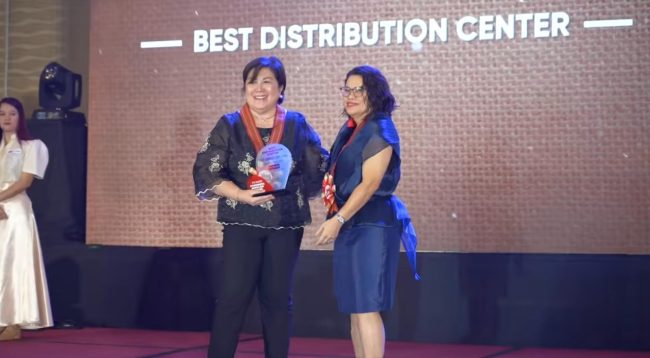
Partnerships that Propel: FAST Logistics Group Awarded Best Distribution Center – Cebu by Personal Collection Philippines
FAST Group Senior Adviser Remie Co accepts the award for Best Distribution Center at the PC Suppliers’ Conference. (Photo courtesy via Facebook live: Personal Collection Direct Selling Inc.) FAST Logistics Group receiv...
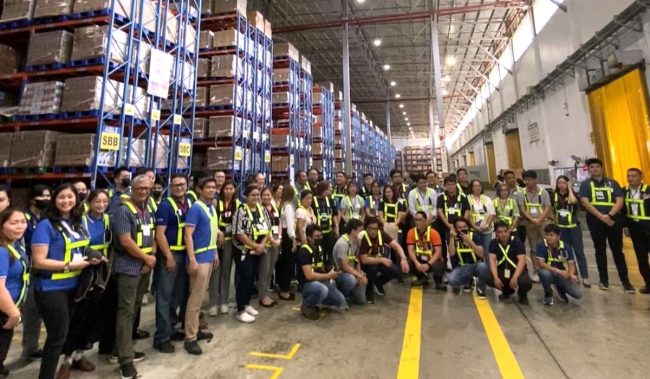
The Future of Warehousing: FAST Hosts SCMAP Annual Members’ Meet 2023 at Cabuyao Warehouse
The Supply Chain Management Association of the Philippines (SCMAP) recently held its highly anticipated annual members meeting, hosted by the FAST Logistics Group, bringing together industry leaders, experts, and enthusi...
Common Toll Manufacturing and Value-Added Services in the Philippines – A Definitive Guide
Toll manufacturing in the Philippines refers to the outsourcing of secondary manufacturing, packaging, repacking, labeling, and other value-added services to a specialized third-party provider. Rather than investing in a...

FAST Logistics Group is the leading end-to-end logistics and supply chain solutions provider in the Philippines. With over 50 years of industry leadership, we offer a comprehensive suite of services including multi-modal transportation, warehousing, cross-docking, cold chain, and toll manufacturing solutions.
© Copyright 2026 FAST Logistics