
End-to-end supply chain management refers to the process of overseeing the complete flow of goods, information, and operations from sourcing raw materials to delivering finished products to retailers, distributors, or consumers.
As supply chains become increasingly complex, companies are moving away from managing logistics as a series of disconnected activities. Instead, many organizations are adopting a more holistic approach that views the entire supply chain as one integrated ecosystem.
This shift has made end-to-end supply chain management a strategic priority for businesses across the Philippines, particularly in fast-moving consumer goods (FMCG) and consumer retail sectors. Rather than treating procurement, warehousing, transportation, and distribution as separate functions, end-to-end supply chain management encourages organizations to manage them as interconnected processes that work together toward common business goals.
This guide explores everything supply chain leaders need to know about end-to-end supply chains, including how they work, their benefits, common challenges, and best practices for achieving better visibility, efficiency, and supply chain optimization.
What Is End-to-End Supply Chain Management
An end-to-end supply chain refers to the complete management of a product’s journey—from sourcing raw materials and production planning to warehousing, transportation, distribution, retail fulfillment, and customer service.
In practical terms, end-to-end supply chain management combines every stage of logistics into a single, continuous workflow. Rather than relying on multiple disconnected vendors and systems, businesses work with integrated processes and coordinated operations that improve communication, visibility, and performance. End-to-end supply chain management is usually offered by a third-party logistics provider or 3PL company.
For many companies in the Philippines, this means partnering with a trusted supply chain provider capable of delivering integrated solutions that include:
- Tech-enabled network planning and optimization
- Warehousing and inventory management
- Multi-modal transportation
- Distribution to modern trade channels
- Supply chain solutions for increased resiliency, agility, and transparency
By connecting all these functions, organizations gain greater agility, better decision-making capabilities, and stronger control over costs and service levels.
Why End-to-End Supply Chain Management Matters in the Philippines
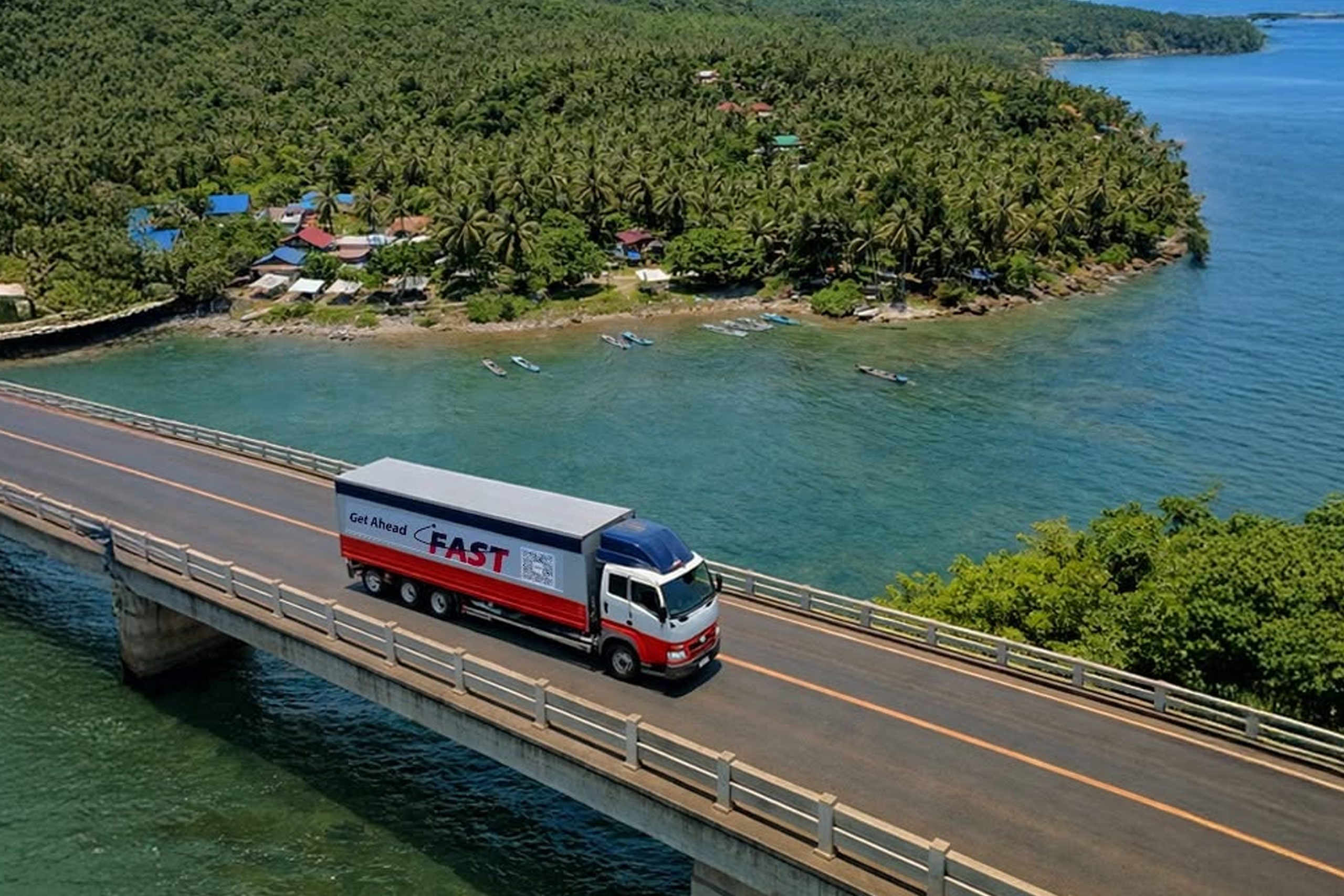
The Philippine logistics landscape presents unique challenges. Companies often need to move products across multiple islands, manage deliveries through congested urban centers such as Metro Manila, and maintain inventory availability across supermarkets, grocery chains, convenience stores, and retail stores.
For businesses in the FMCG and consumer retail sectors, even minor disruptions can lead to out-of-stock situations, lost sales opportunities, and dissatisfied customers.
An integrated end-to-end approach helps address these challenges by improving coordination across the supply chain, enabling businesses to:
- Improve inventory availability
- Reduce transportation inefficiencies
- Increase delivery reliability
- Respond faster to demand fluctuations
- Gain visibility over operations nationwide
As consumer expectations continue to evolve, end-to-end supply chain management has become a critical enabler of business growth and operational resilience.
What’s Involved in End-to-End Logistics
1. Procurement and Shipment of Raw Materials
The supply chain begins with sourcing raw materials, components, or finished goods from suppliers. Effective procurement ensures that businesses receive the right products at the right cost while maintaining quality standards and supply continuity.
Once materials are sourced, inbound logistics coordinates shipments to manufacturing facilities, warehouses, or distribution centers, ensuring production schedules remain uninterrupted.
2. Manufacturing
Manufacturing transforms raw materials into finished products ready for market distribution. Efficient coordination between procurement, production planning, and inventory teams helps prevent delays and optimize resource utilization.
An integrated supply chain enables manufacturers to respond more quickly to demand fluctuations, reducing waste while improving service levels.
3. Distribution
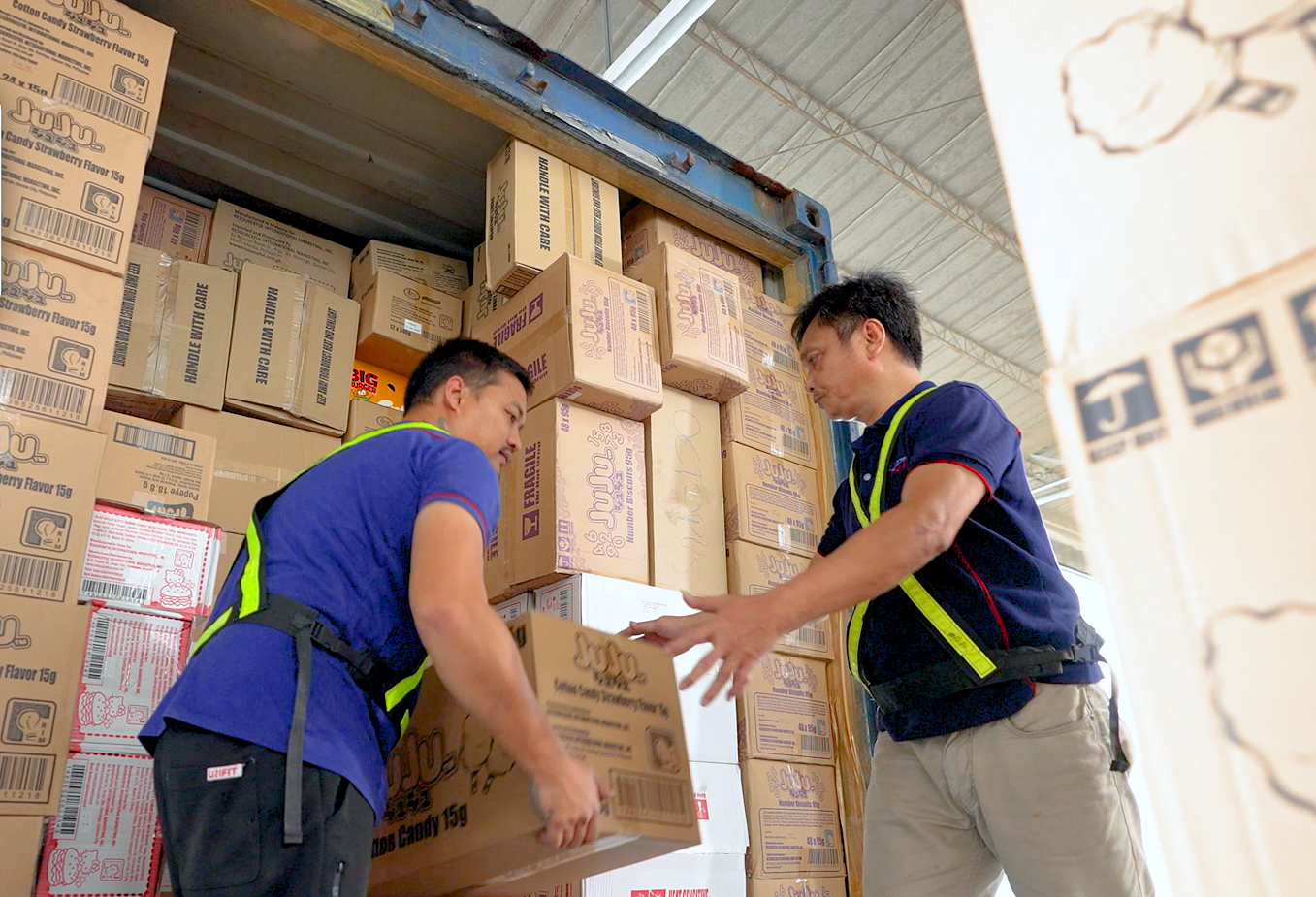
Distribution is the stage of the supply chain process that gets products finished and ready for sale.
During this stage, it is important to closely monitor inventory levels and product allocation. Inefficiencies in distribution can be costly, resulting in stock shortages, excess inventory, delayed deliveries, and dissatisfied customers.
For FMCG companies, effective distribution ensures products are available where and when consumers need them.
4. Storage and Inventory Management
Warehousing and inventory management play a critical role in maintaining product availability while controlling costs. Businesses must balance inventory levels carefully to avoid both overstocking and stockouts.
Integrated systems improve inventory planning by providing real-time visibility into stock levels, demand patterns, and replenishment requirements across the supply chain.
5. Shipping and Transport
Transportation connects every stage of the supply chain and ensures products reach their intended destinations efficiently.
B2B Distribution
In a business-to-business environment, shipping and transportation of FMCG and consumer retail products typically involve deliveries to modern trade and traditional trade channels such as supermarkets, grocery stores, shopping malls, convenience stores, wholesalers, distributors, and retail outlets.
Reliable transport planning ensures products arrive on time, meet retailer requirements, and maintain product quality throughout the journey.
B2C Distribution
For business-to-consumer operations, transportation extends into last-mile delivery. This stage focuses on delivering products directly to consumers through e-commerce channels and requires speed, accuracy, and visibility throughout the delivery process.
6. Sales
Sales teams rely on accurate, real-time information to make informed decisions.
They need visibility into stock levels, pricing, production schedules, inventory records, and fulfillment capabilities. With end-to-end supply chain management, this information can be shared seamlessly across departments.
This integrated approach also enables businesses to respond quickly to unexpected changes in supply or demand and adjust pricing, promotions, or inventory allocation strategies accordingly.
7. Customer Service
End-to-end supply chain management extends beyond the point of sale. It includes post-sales activities such as warranty management, product maintenance support, customer inquiries, reverse logistics, and e-commerce returns. Strong customer service processes help build customer loyalty, strengthen brand reputation, and encourage repeat purchases.
Advantages of Integrated End-to-End Supply Chain Management
1. Increased Efficiency and Agility
One of the biggest advantages of working with an integrated supply chain provider or a 3PL is having a single point of contact across the entire logistics network.
This reduces the risk of miscommunication that often occurs when multiple logistics vendors manage different parts of the supply chain. As a result, businesses or manufacturers can make faster decisions, resolve issues more efficiently, and respond more quickly to changing market conditions.
2. Reduced Risk of Supply Chain Breakages and Delays
End-to-end supply chains provide visibility across the entire logistics network.
This visibility allows businesses to identify potential vulnerabilities, anticipate disruptions, and implement contingency plans before issues escalate. Whether dealing with weather-related challenges, transportation bottlenecks, or supplier disruptions, organizations can make informed decisions that minimize operational impact.
3. Real-Time Visibility Over Operations and Inventory
Having full visibility across the supply chain enables businesses to proactively identify and address operational inefficiencies.
For example, integrated logistics management systems of 3PL companies can collect data on inventory levels, production schedules, warehouse capacity, and transportation performance. This visibility helps prevent bottlenecks, reduce stock imbalances, and improve service reliability.
For FMCG logistics, real-time visibility is particularly valuable because demand fluctuations often require rapid adjustments to inventory allocation and replenishment plans.
4. Better Network Planning and Supply Chain Optimization
Integrated operations of 3PL providers create opportunities for continuous supply chain optimization.
When businesses have access to data across warehousing, transportation, and distribution activities, they can identify cost-reduction opportunities. Data also helps manufacturers improve asset utilization and streamline workflows.
In particular, a data-driven approach enables organizations to optimize delivery routes and improve inventory placement to increase order fulfillment efficiency. The result is more predictable outcomes, stronger operational performance, and improved profitability.
5. Measurable KPIs and Performance Management
An integrated supply chain makes it easier to track performance through measurable key performance indicators (KPIs).
Organizations can monitor metrics such as:
- On-time delivery rates
- Inventory accuracy
- Fill rates
- Order cycle times
- Warehouse productivity
- Transportation costs
- Forecast accuracy
- Customer service levels
By measuring performance across the entire supply chain, businesses gain actionable insights that support continuous improvement initiatives.
Common Supply Chain Challenges Caused by Fragmented Logistics Operations
For FMCG companies, managing multiple logistics providers instead of a 3PL company can cause various challenges, such as:
- Legacy systems that do not communicate effectively
- Limited supply chain visibility
- Siloed organizational structures
- Inconsistent data points or data quality and accuracy
- Multiple logistics vendors with disconnected processes
- Difficulty coordinating nationwide operations
For Philippine businesses, these challenges can be magnified by geographic complexity and varying infrastructure conditions across regions.
Working with an experienced logistics partner can help organizations overcome these barriers through integrated systems, standardized processes, and centralized operational control.
Best Practices for Successful End-to-End Supply Chain Management by 3PL
Organizations looking to maximize the value of end-to-end logistics or 3PL capabilities should consider the following best practices:
Invest in Data Visibility
Real-time visibility enables faster decision-making and more proactive risk management.
Strengthen Inventory Planning
Accurate inventory planning helps balance product availability with working capital efficiency.
Leverage Technology and Automation
Transport management systems, warehouse management systems, and analytics platforms help improve accuracy and operational efficiency.
Build Collaborative Partnerships
Strong collaboration between suppliers, manufacturers, logistics providers, retailers, and distributors improves supply chain performance.
Continuously Optimize the Network
Regular analysis of transportation routes, warehouse locations, service levels, and operating costs supports long-term supply chain optimization.
Why FMCG Companies Are Adopting End-to-End Supply Chain Models by 3PL
The Philippine FMCG industry operates in a highly competitive environment where product availability, speed-to-market, and cost efficiency directly impact profitability.
An end-to-end model or 3PL capability helps FMCG companies:
- Improve retail shelf availability
- Reduce stockouts
- Enhance inventory turnover
- Support nationwide distribution
- Increase responsiveness to market demand
- Improve customer satisfaction
As retailers and consumers continue to demand greater reliability and faster fulfillment, integrated supply chain management has become a key differentiator for leading FMCG brands.
How FAST Logistics Group Enables End-to-End 3PL Supply Chain Success
For Philippine businesses—especially in FMCG—end-to-end supply chain management is a competitive advantage. As one of the country’s leading integrated logistics providers, FAST Logistics Group helps businesses optimize operations from source to shelf through nationwide warehousing, multi-modal transport logistics, cold chain, cross-docking, toll manufacturing or value-added services, modern trade fulfillment, and supply chain analytics.
Its ability to support end-to-end supply chain management is built on three key strengths:
Nationwide Network
FAST’s nationwide footprint enables businesses to reach key markets across the Philippines with greater consistency and control. It operates the Philippines’ most expansive warehousing network spanning over 160 hubs and more than 2 million square meters of warehousing space. FAST also manages a modern fleet of over 3,100 vehicles to cover 94% of Luzon, Visayas, and Mindanao and provide seamless, inter-island distribution across all major transport modes.
Tech-Enabled Operations
FAST uses technology and supply chain analytics to improve visibility, coordination, and decision-making across logistics operations. FAST utilizes Warehouse Management System and Transport Management System from leading technology providers Honeywell and FarEye, respectively, to automate every step of warehouse and transport operations. These tools also generate real-time data to help businesses monitor inventory, track movement, and identify opportunities for supply chain optimization. This enables more agile planning and faster responses to changing market demand.
Proven Reliability and Expertise in End-to-End Supply Chain
FAST has demonstrated operational resilience in challenging situations, including lockdowns and pandemic restrictions. Its experience in managing critical supply chain movements helps businesses across FMCG, consumer retail, pharmaceutical, agribusiness, and automotive sectors to maintain continuity even during disruption. This reliability gives customers confidence that their goods can keep moving when service consistency matters most.
With FAST as a single supply chain partner, businesses can improve visibility, strengthen coordination, reduce risk, and achieve measurable operational improvements for long-term growth. Connect with our Solutions Experts to learn more.
Categories
-
FAST Ahead
Includes case studies and testimonials of our partners as well as other featurettes from industry experts
-
FAST Hacks
We simplify logistics terms and provide practical tips and solutions for the DIY in you
-

FAST Highlights
Know more about our history, various brands, achievements, and news updates
-

FAST Moments
Get to know the people of FAST, our employee programs, as well as our various ways of giving back to the community
-
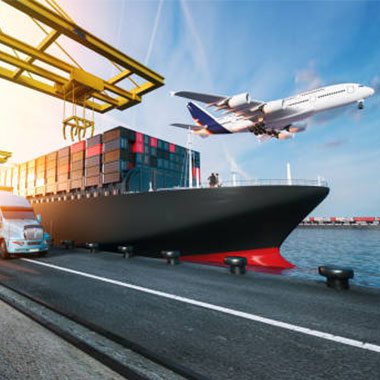
FAST Solutions
Learn more about the various logistics solutions that we cater to and offer our clients, as well as tech innovations, and service facilities
Related Stories
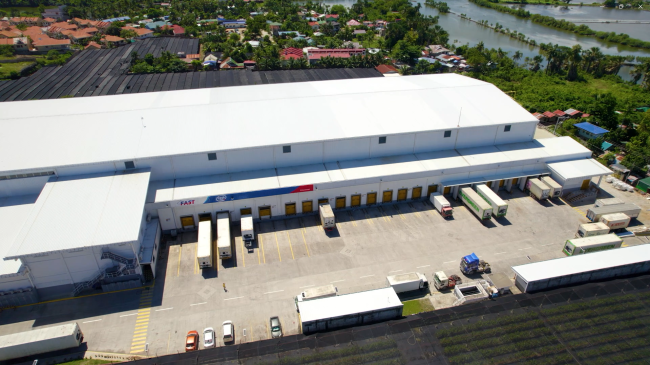
Cebu Businesses to Explore Growth Opportunities at FAST Logistics Solutions Forum 2026
Cebu-based businesses looking to expand into new markets can explore growth opportunities and integrated end-to-end logistics solutions as FAST Logistics Group, the Philippines’ largest third-party logistics (3PL) prov...

Preparing For Peak Season – Best Strategies To Meet High Logistics Demand In Summer
Summer in the Philippines can be both a blessing and a bane for businesses due to high logistics demand. When temperatures rise, so do consumer needs for swimwear, outdoor gear, refreshments, beverages, and other seasona...
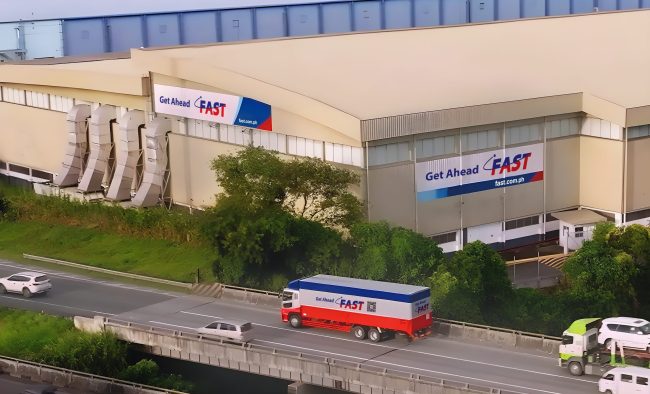
Why Pharmaceutical Logistics is Challenging in the Philippines
Pharmaceutical logistics in the Philippines operates within one of the most complex supply chain environments in the region. High costs, strict regulatory requirements, and logistical hurdles put the timely and safe deli...

FAST Logistics Group is the leading end-to-end logistics and supply chain solutions provider in the Philippines. With over 50 years of industry leadership, we offer a comprehensive suite of services including multi-modal transportation, warehousing, cross-docking, cold chain, and toll manufacturing solutions.
© Copyright 2026 FAST Logistics