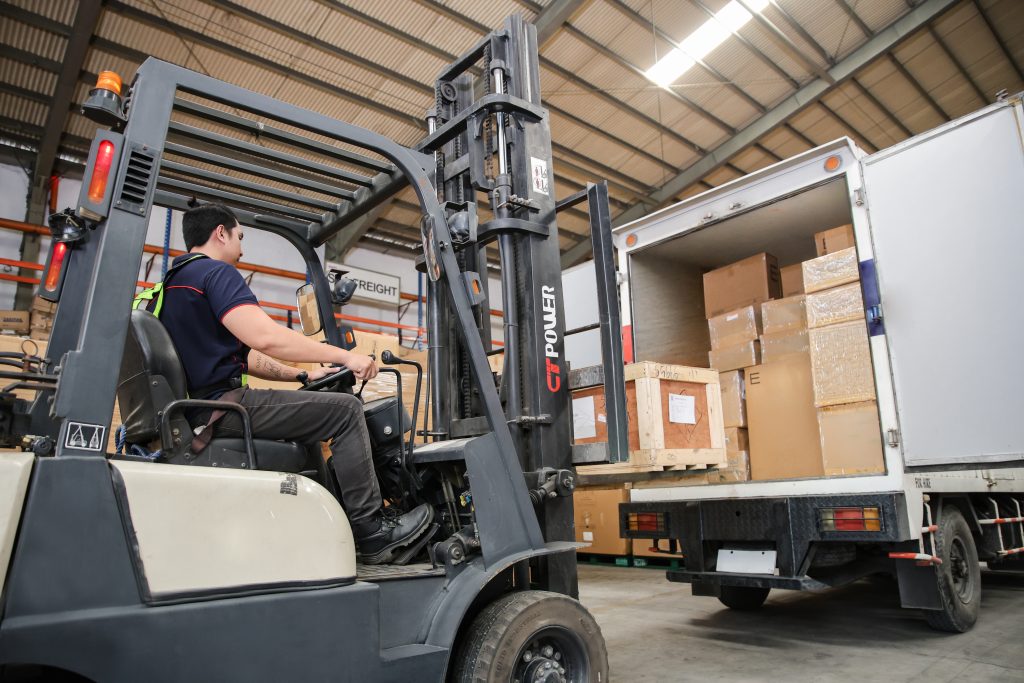
Are your logistics costs eating into your margins? Reducing logistics costs involves using real-time visibility, network optimization, and flexible logistics models to eliminate inefficiencies and better align costs with demand.
Logistics costs consume 27.5% of the country’s GDP — the highest among ASEAN nations, according to a 2025 study by former Trade Secretary Alfredo Pascual. This means that logistics costs represent approximately P27 for every P100 worth of economic output in the Philippines. For most fast-moving consumer goods (FMCG) companies, logistics costs typically represents 5% to 7% of their total revenue, based on estimates of FAST Logistics Group.
High logistics costs eat into business profits, reducing the resources available for product development, marketing, and customer experience. This makes logistics cost optimization an important priority for businesses operating in the Philippines.
This guide is designed for supply chain managers and logistics directors across FMCG, consumer retail, pharmaceutical, agriculture, and manufacturing sectors who want to understand practical strategies for reducing logistics costs. It explores how integrated end-to-end supply chain solutions can address the root causes of logistics inefficiency.
Key Takeaways: How to Cut Logistics Costs in the Philippines
- Use real-time visibility through Warehouse Management Systems (WMS) and Transport Management Systems (TMS) to improve inventory planning, identify inefficiencies, and proactively manage logistics exceptions
- Use flexible, pay-per-use warehousing to avoid paying for unused capacity and better align logistics costs with demand
- Optimize transportation networks through route planning, load consolidation, and better truck utilization to reduce transportation costs
- Explore shared logistics models to improve asset utilization and reduce per-unit transportation and warehousing costs
- Leverage end-to-end supply chain integration to coordinate warehousing, transportation, and distribution under a single management framework
- Philippine logistics costs account for 27.5% of GDP, more than double Thailand’s 11.1%, making logistics cost optimization a competitive priority.
- Fragmented logistics operations create hidden costs through coordination failures, duplicated paperwork, inventory mismatches, and multiple handoffs.
- FAST Logistics Group operates over 160 warehouses and 3,100 trucks nationwide, enabling integrated cost optimization across the Philippines
Why Are Logistics Costs So High in the Philippines
Understanding the root causes of high logistics costs is the first step toward reducing them. Philippine businesses face structural challenges that increase expenses across the supply chain. Here are some of them.
1) Archipelagic Geography and Inter-island Distribution
The Philippines’ geography creates natural barriers to efficient distribution. With more than 7,000 islands, businesses often require multiple transportation modes — including land, RoRo, air, and sea — and complex coordination across regions.
Inter-island shipping adds transportation and handling costs, while the need to coordinate multiple modes and routes can increase delivery complexity and overall logistics expenses.
2) Typhoons and Natural Disasters
The Philippines is highly exposed to typhoons, flooding, earthquakes, and other natural disasters that can disrupt transportation and distribution networks.
Road closures, cancelled vessel trips, damaged infrastructure, and temporary facility closures can delay deliveries and disrupt operations. Businesses may also incur additional costs from rerouting and other disruption-related expenses.
3) Dependence on Imported Fuel and Global Oil Prices
The Philippines imports a significant portion of its fuel requirements, making domestic transportation costs vulnerable to fluctuations in global oil prices.
Higher fuel prices increase trucking, shipping, and other transportation expenses, creating cost pressures that logistics providers and businesses cannot fully control.
4) Customs Clearance Inefficiencies
Philippine import clearance procedures can take longer than those in other regional markets. Longer clearance times can increase storage costs, tie up working capital, and disrupt production schedules, particularly manufacturers that depend on imported inputs.
5) Fragmented Logistics Operations and Limited Visibility
Many Philippine businesses work with multiple logistics providers for warehousing, trucking, shipping, and distribution. While this approach can provide flexibility, fragmented logistics operations create additional handoffs and coordination requirements.
This also leads to duplicated paperwork and communication gaps that can create hidden costs. Without consolidated data across the supply chain, businesses may also hold excess inventory and over-order to compensate for uncertainty. They also miss opportunities to consolidate shipments.
8 Strategies to Reduce Logistics Costs
Reducing logistics costs requires addressing the structural causes of inefficiency, not simply negotiating lower rates with individual suppliers or logistics providers. The most effective approach is to improve how warehousing, transportation, and distribution work together across the supply chain.
Here are some strategies to reduce logistics costs.
1) Optimize Warehouse Locations and Inventory Placement
Strategically positioning inventory closer to major demand centers can reduce transportation distances, delivery times, and last-mile costs.
Businesses should evaluate warehouse locations based on customer demand, transportation routes, inventory requirements, and regional distribution needs rather than simply minimizing warehouse rental costs.
2) Improve Inventory Management Through Real-Time Visibility
Inventory holding costs represent a significant share of total logistics expenses. These costs include warehousing fees, insurance, obsolescence risk, and the opportunity cost of capital tied up in stock.
Reducing inventory while maintaining service levels requires better visibility into demand patterns and supply chain performance. Integrated forecasting systems that draw real-time data, Warehouse Management Systems or WMS, and point-of-sale information give businesses clearer insight into actual demand. This allows them to right-size inventory levels and improve working capital efficiency.
Organizations that implement integrated forecasting and visibility tools have reduced inventory holding costs by 20% while maintaining or improving service levels, according to Opensend. The key is connecting inventory data across warehouse locations and distribution points so planning decisions reflect the complete picture.
3) Optimize Transportation Through Network Planning
Network optimization focuses on reducing transportation costs through smarter routing, load consolidation, and modal selection.
Route optimization tools analyze delivery patterns to identify more efficient paths, reduce empty backhaul trips, and improve on-time delivery rates. Transport Management Systems or TMS automate these calculations and enable real-time adjustments.
Load consolidation offers another cost-reduction opportunity. By combining shipments from multiple manufacturers or product lines, businesses can achieve higher truck utilization and reduce per-unit transportation costs. This is particularly valuable in the Philippines, where geographic spread can make dedicated routes to low-volume destinations uneconomical.
4) Explore Shared Logistics Models
Shared logistics models help businesses reduce fixed logistics costs and better align expenses with actual demand.
Fixed commitments such as dedicated warehouse space, contracted truck capacity, and minimum volume requirements can become expensive when demand fluctuates. Pay-per-use models allow businesses to pay based on actual capacity used and scale logistics resources according to demand.
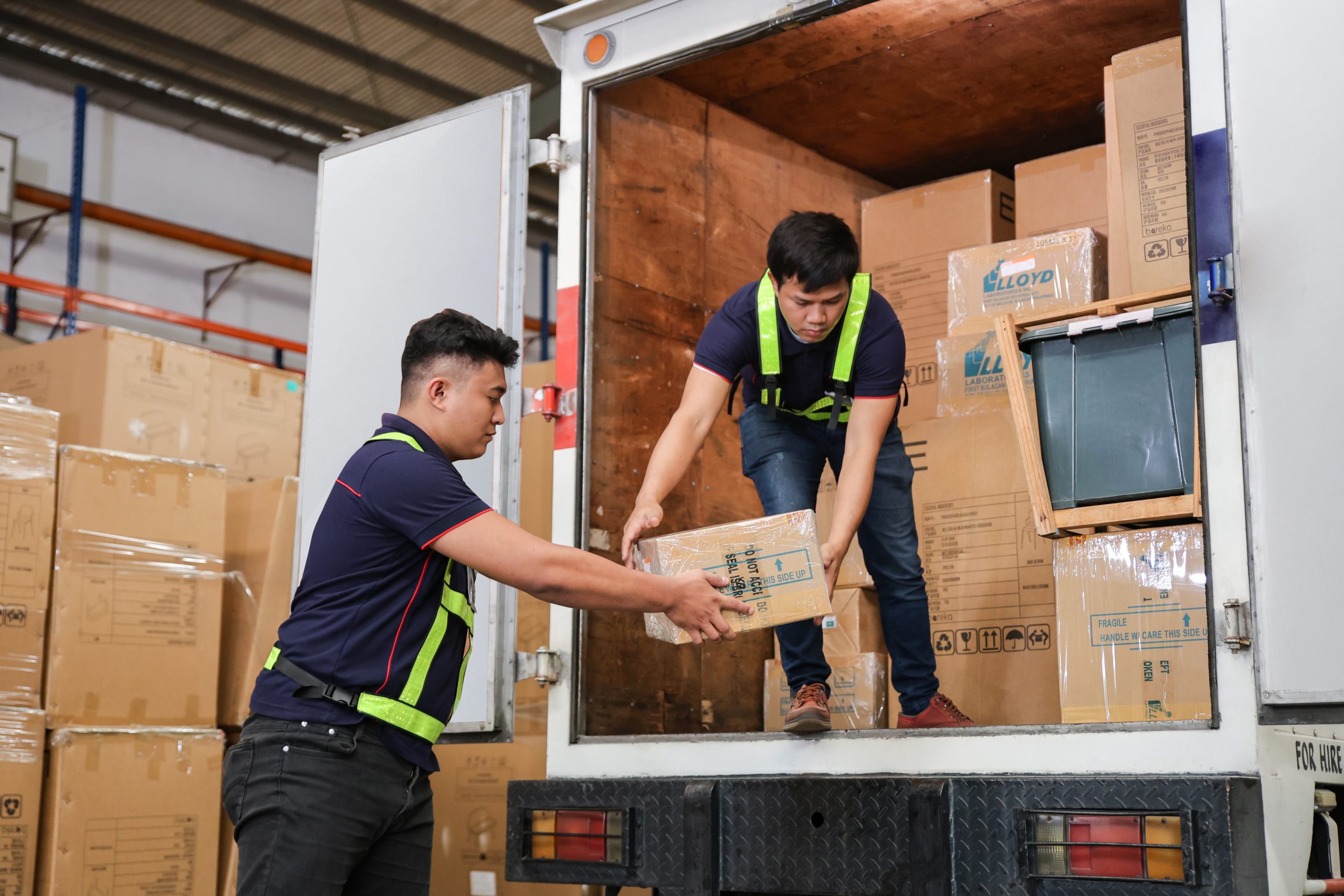
Shared transportation allows businesses to combine shipments with other companies or product lines moving along similar routes. Consolidating shipments, improving load planning, and coordinating return trips can increase asset utilization and reduce the cost per delivery.
The same principle applies to warehousing. By leveraging pay-per-use warehousing solutions, businesses can reduce per-unit logistics costs while improving asset utilization. With shared logistics, companies also avoid costs associated with operating their own warehouses, including rent, labor, and technology.
5) Automate Logistics Operations and Documentation
Manual processes can create administrative costs, errors, duplicated paperwork, and delays.
Automating inventory tracking, shipment documentation, order processing, proof of delivery, and other workflows can reduce administrative effort while improving accuracy and operational efficiency.
6) Build Contingency Plans for Supply Chain Disruptions
Typhoons, flooding, earthquakes, port disruptions, and other unexpected events can create additional transportation, inventory, and emergency shipping costs.
Businesses can reduce the financial impact of disruptions by establishing contingency plans including alternative routes and backup facilities. Companies should also prepare flexible transportation options and appropriate inventory buffers ahead of supply chain shocks.
A resilient logistics network should also provide visibility into disruptions so businesses can make faster decisions and adjust plans before problems escalate.
7) Outsource Logistics to Access Specialized Expertise
Logistics can require significant investments in infrastructure, technology, equipment, people, and specialized expertise. For businesses where logistics is not a core competency, managing these capabilities internally can add complexity and problems.
Outsourcing logistics to an experienced 3PL can provide access to established infrastructure, technology, operational expertise, and networks without requiring businesses to build and manage these capabilities. Having a trusted 3PL will also help you navigate supply chain disruptions.
This allows companies to focus more resources on their core business – manufacturing and customer satisfaction.
8) Consolidate Logistics Under an Integrated 3PL Provider
Working with a single third-party logistics (3PL) provider that handles warehousing, transportation, and distribution can eliminate handoff redundancy and improve operational coordination. Instead of managing relationships with multiple vendors, businesses have a single point of contact responsible for coordinating the movement of their goods.
This consolidation delivers measurable savings in document processing, exception management, and data reconciliation. Based on our experience with one of our customers, consolidating logistics operations can reduce administrative labor by up to 35% while accelerating shipment cycles. The integrated data flow also enables predictive exception handling, cutting expedited freight costs through proactive adjustments.
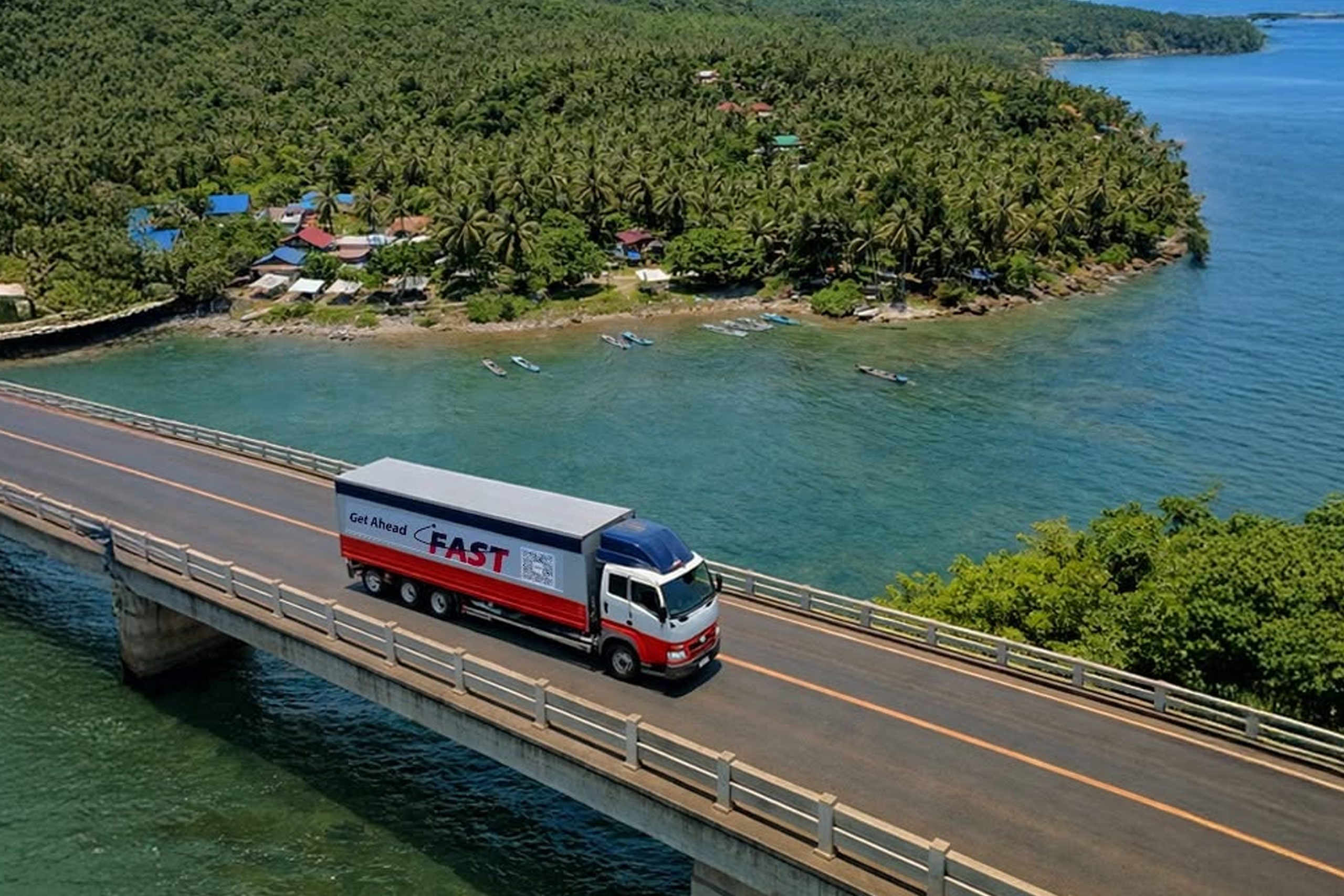
FAST Logistics Group operates as an integrated end-to-end logistics provider with over 160 warehouses and 3,100 trucks covering 94% of Luzon, Visayas, and Mindanao. This nationwide infrastructure allows businesses to manage warehousing, multimodal transport, cold chain, and distribution through a single partner rather than coordinating multiple vendors.
What Is an End-to-End Supply Chain Approach to Cost Reduction
End-to-end supply chain management refers to overseeing the complete flow of goods, information, and operations from sourcing raw materials to delivering finished products. Rather than managing logistics as disconnected activities, this approach treats the entire supply chain as an integrated ecosystem.
For cost reduction purposes, the end-to-end approach matters because it addresses the coordination failures and information gaps that create hidden expenses. When warehousing, transportation, and distribution operate under a single management framework, you eliminate the handoff redundancy and administrative overhead that accumulate when using multiple disconnected providers.
Working with a single logistics provider for end-to-end supply chain management also enables companies to negotiate for lower prices for a bigger shipment volume
An integrated model also creates visibility across the entire logistics network. This visibility allows you to identify inefficiencies, anticipate disruptions, and make informed decisions about inventory placement, transportation routing, and resource allocation.
How Do Fragmented Logistics Operations Increase Costs
Many Philippine businesses work with multiple logistics providers — one for warehousing, another for land freight or trucking, a third for inter-island shipping, and perhaps additional vendors for specific routes or services. While this approach offers flexibility, it also creates cost leakage that may not appear on any single invoice.
Here are some of the reasons why fragmented logistics operations increase costs.
Coordination Failures Between Providers
When goods move between disconnected parties, coordination problems emerge. Paperwork gets duplicated, communication breakdowns occur, and errors multiply at each handoff point. Recent studies showed that workers spend more than 10 hours a week searching for information across disconnected tools and platforms, creating significant productivity losses that can translate into millions of dollars in wasted time and resources each year.
Common coordination costs include detention fees when trucks wait at loading docks, premium shipping rates for expedited shipments to recover from delays, and inventory discrepancies that require investigation and reconciliation. These expenses often get absorbed into general operating costs without clear attribution to their root cause.
Limited Visibility Across the Supply Chain
Fragmented operations also limit your ability to see what’s happening across the entire logistics network.
Without consolidated data on inventory levels, shipment status, and warehouse capacity, planning becomes reactive rather than proactive. Businesses may over-order to compensate for uncertainty, hold excess safety stock, or miss opportunities to consolidate shipments.
This lack of visibility contributes to the bullwhip effect, where small changes in customer demand get magnified as they move through different supply chain levels. Most supply chain executives recognize the importance of visibility, with 79% using dashboards to monitor their operations end to end, as reported by Unleash Software. These dashboards bring data from different sources together to provide actionable insights.
How Technology Enables Logistics Cost Reduction
Technology plays a critical role in reducing logistics costs by automating manual workflows, improving decision-making through data analytics, and enabling coordination across complex supply chain operations.
Warehouse Management Systems for Inventory Accuracy
WMS platforms automate inventory tracking, picking operations, and storage optimization. By eliminating manual data entry and providing real-time stock visibility, these systems reduce errors that lead to costly adjustments while accelerating order fulfillment.
Transport Management Systems for Route Optimization and Load Planning
TMS platforms coordinate vehicle dispatching, route planning, and carrier management. These systems analyze delivery requirements and vehicle capacity. TMS also accounts for geographic constraints to optimize transportation costs while meeting service level commitments.
Data Analytics for Continuous Improvement
Beyond operational automation, integrated logistics platforms generate data that support continuous cost improvement. Analysis of transportation costs, warehouse productivity, and inventory turnover helps identify inefficiencies and measure the impact of optimization initiatives.
Organizations that establish clear key performance indicators (KPIs) and track them consistently can identify cost reduction opportunities that would otherwise remain hidden. Useful metrics include cost per delivery, inventory accuracy, on-time delivery rates, and warehouse labor productivity.
What Cost Reductions Can You Expect from End-to-End Integration
The cost impact of end-to-end supply chain integration varies based on current operations, industry sector, and geographic reach. However, research and industry experience suggest meaningful savings across several categories.
According to a Hopkins Distribution report, shippers reported an average 9% reduction in logistics costs after using 3PL services. They also reported 5% lower inventory costs and 15% lower fixed logistics costs. AI-powered forecasting and visibility cut excess inventory costs by 20% while decreasing stockouts by 15%, per Anchor Group.
These reductions compound over time as organizations refine their integrated operations and identify additional optimization opportunities.
When Does End-to-End Integration Make Sense for Your Business
End-to-end supply chain integration delivers the greatest value for businesses with certain operational characteristics. Understanding when this approach fits helps you evaluate whether the investment makes sense for your situation.
Here are some key factors to consider when deciding whether your business needs a 3PL provider.
Nationwide Distribution Requirements
If your business serves markets across Luzon, Visayas, and Mindanao, coordination complexity increases significantly. Managing multiple regional logistics providers creates handoff points and communication gaps that drive up costs. An integrated nationwide partner eliminates these coordination challenges.
Multi-Modal Transportation Needs
Businesses that require land freight or trucking and inter-island shipping via different freight modes face coordination challenges. Each modal transition creates potential for delays, damage, and cost overruns. Integrated multimodal capabilities through a single provider streamline these transitions.
Temperature-Sensitive Products
Cold chain requirements add complexity that fragmented providers struggle to maintain consistently. Integrated cold chain solutions ensure temperature control throughout the supply chain, reducing spoilage costs and quality issues.
High Inventory Carrying Costs
If inventory represents a significant working capital investment, improved visibility and forecasting can generate substantial savings. Integrated systems enable more accurate demand planning and inventory right-sizing.
Lack of Expertise in Logistics
When logistics is not a core competency, outsourcing can provide access to specialized expertise, infrastructure, technology, and operational resources without requiring businesses to build and manage these capabilities internally.
How FAST Logistics Group Supports Cost Reduction Through 3PL Capabilities
With over 50 years of experience in Philippine logistics, FAST Logistics Group has built the infrastructure and capabilities to support integrated end-to-end supply chain management. The company’s approach to cost reduction combines nationwide physical assets with technology-enabled operations and experienced logistics professionals.
FAST operates the largest warehouse footprint in the Philippines, with over 160 facilities and more than 2 million square meters of warehousing space, with over 1 million pallet positions. This network enables strategic inventory positioning close to demand centers, reducing transportation costs, and improving delivery speed.
The company’s fleet of over 3,100 trucks and network of 900 trucking partners covers 94% of the Philippines, supporting multimodal distribution across all major islands. FAST’s transport network, the most extensive in the Philippines, allows businesses to manage nationwide logistics through a single partner rather than coordinating multiple regional providers.
Technology integration through Honeywell’s Warehouse Management System and FarEye’s Transport Management System creates visibility and coordination across the entire logistics network. These systems enable real-time tracking, automated operations, and data-driven optimization that support continuous cost improvement.
Building a More Cost-Efficient Supply Chain for Companies in the Philippines
Reducing logistics costs in the Philippines requires addressing the structural causes of inefficiency — fragmented operations, limited visibility, geographic complexity, and supply chain disruptions.
End-to-end supply chain solutions create the integration and visibility needed to identify and eliminate these cost drivers.
The real value of logistics lies not just in moving goods, but in solving the operational inefficiencies that create unnecessary costs. By consolidating logistics under an integrated provider, improving inventory management through real-time visibility, and optimizing transportation through network planning, Philippine businesses can achieve meaningful cost reductions while maintaining or improving service levels.
FAST Logistics Group is best suited for companies that need:
- Nationwide distribution across Luzon, Visayas, and Mindanao
- Integrated warehousing and transportation under a single management framework
- Cold chain capabilities for temperature-sensitive products
- Toll manufacturing or value-added services for modern trade compliance or retail requirements
- Flexible, scalable logistics that adapt to demand fluctuations
- Technology-enabled visibility and optimization
Multinational companies, regional manufacturers, and growing Philippine brands rely on FAST for end-to-end logistics that reduce costs and support business growth. Connect with Solutions Experts to learn more about how integrated supply chain management can help you cut logistics costs and improve operational efficiency.
Frequently Asked Questions (FAQs) About How to Cut Logistics Costs in the Philippines
What is the Main Driver of High Logistics Costs in the Philippines
The archipelagic geography requiring multi-island distribution is the primary driver of high logistics costs. Moving goods across 7,000+ islands requires multiple transportation modes, complex coordination, and infrastructure that increases expenses. Port congestion and customs inefficiencies add additional cost pressure.
How Does End-to-End Supply Chain Integration Reduce Logistics Costs
End-to-end integration reduces costs by eliminating handoff redundancy between multiple providers, creating visibility for better decision-making, and enabling coordinated optimization across warehousing and transportation. FAST Logistics Group delivers these benefits through its integrated nationwide network.
How Does Real-Time Visibility Help Reduce Logistics Costs
Real-time visibility through WMS and TMS platforms helps reduce costs by enabling accurate inventory planning, proactive exception management, and continuous optimization. FAST Logistics Group uses Honeywell Warehouse Management System and FarEye Transport Management System, giving customers and businesses greater visibility across nationwide logistics operations.
When Should a Business Consider Switching to an Integrated 3PL Provider
Consider an integrated 3PL when managing multiple logistics vendors creates coordination challenges, when you need nationwide distribution across multiple islands, or when inventory and transportation costs represent a significant share of operating expenses. FAST Logistics Group serves businesses across FMCG, food and beverage, personal care and household products, automotive, pharmaceuticals, agriculture, and industrial sectors.
How Does FAST Logistics Group Help Businesses Reduce Logistics Costs
FAST Logistics Group reduces logistics costs through integrated nationwide infrastructure covering 94% of the Philippines, technology-enabled operations with WMS and TMS systems, and flexible service models including pay-per-use warehousing. With over 160 warehouses and 3,100 trucks, FAST enables businesses to consolidate logistics under a single partner.
Categories
-

FAST Ahead
Includes case studies and testimonials of our partners as well as other featurettes from industry experts
-

FAST Hacks
We simplify logistics terms and provide practical tips and solutions for the DIY in you
-

FAST Highlights
Know more about our history, various brands, achievements, and news updates
-

FAST Moments
Get to know the people of FAST, our employee programs, as well as our various ways of giving back to the community
-
FAST Solutions
Learn more about the various logistics solutions that we cater to and offer our clients, as well as tech innovations, and service facilities
Related Stories

Smart Packaging Tips for Philippine MSMEs: A Guide to Prevent Product Damage
Micro, small, and medium enterprises (MSMEs) in the Philippines commonly ship products outside their towns or provinces, so packaging must be treated as a core business requirement to reduce shipment losses. Entreprene...
VAS for Every Industry: Different Kinds of Businesses in the Philippines that Need Value-Added Services
FAST Logistics Group, the Philippines’ premier end-to-end logistics company, highlights how Value-Added Services contributes to the success of both logistics companies and the businesses they serve. There’s one c...

Blockchain Technology Simplified: FAST Logistics Group CEO Mr. Manuel L. Onrejas Jr. Shares Key Insights at the Supply Chain Blockchain Mixer
CEO of Logistics for FAST Mr. Manuel Onrejas Jr. joined the prestigious Supply Chain Blockchain Mixer as a distinguished panelist alongside other thought leaders, at the IBP Tower in Common Ground, Ortigas on September 2...

FAST Logistics Group is the leading end-to-end logistics and supply chain solutions provider in the Philippines. With over 50 years of industry leadership, we offer a comprehensive suite of services including multi-modal transportation, warehousing, cross-docking, cold chain, and toll manufacturing solutions.
© Copyright 2026 FAST Logistics