For more than 50 years, FAST Logistics Group has helped move Philippine businesses forward. From its roots in Cebu’s shipping industry, the company has evolved into a nationwide provider of integrated end-to-end logistics solutions, guided by customer focus, a solutions-driven mindset, and adaptability.
As FAST looks toward its next 50 years, it continues to invest in technology, develop its people, and strengthen its capabilities to meet the changing needs of Philippine businesses.
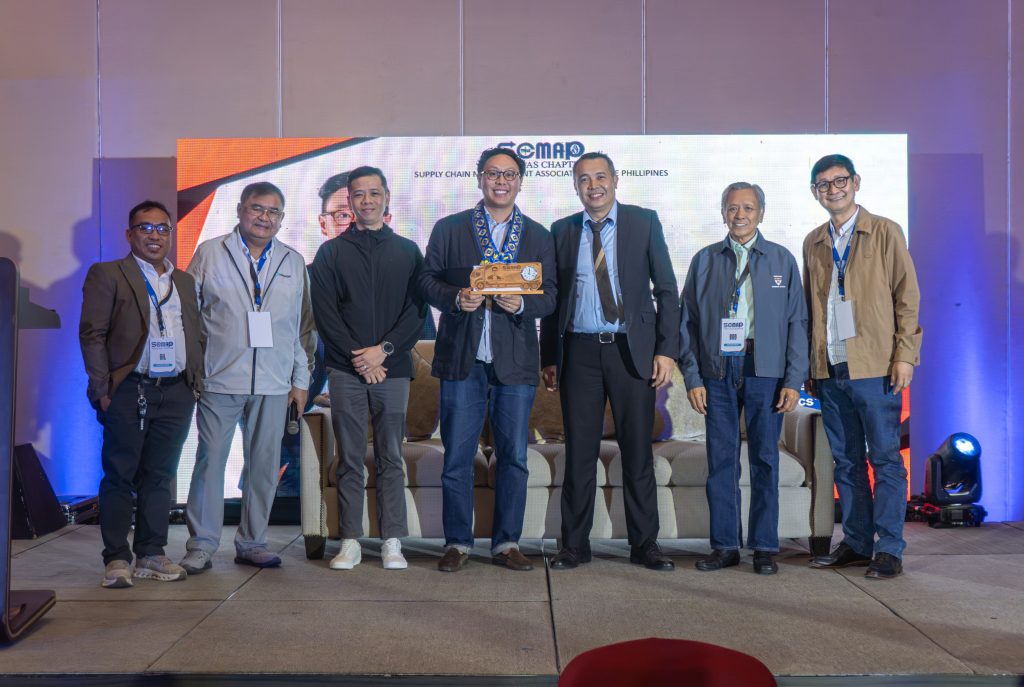
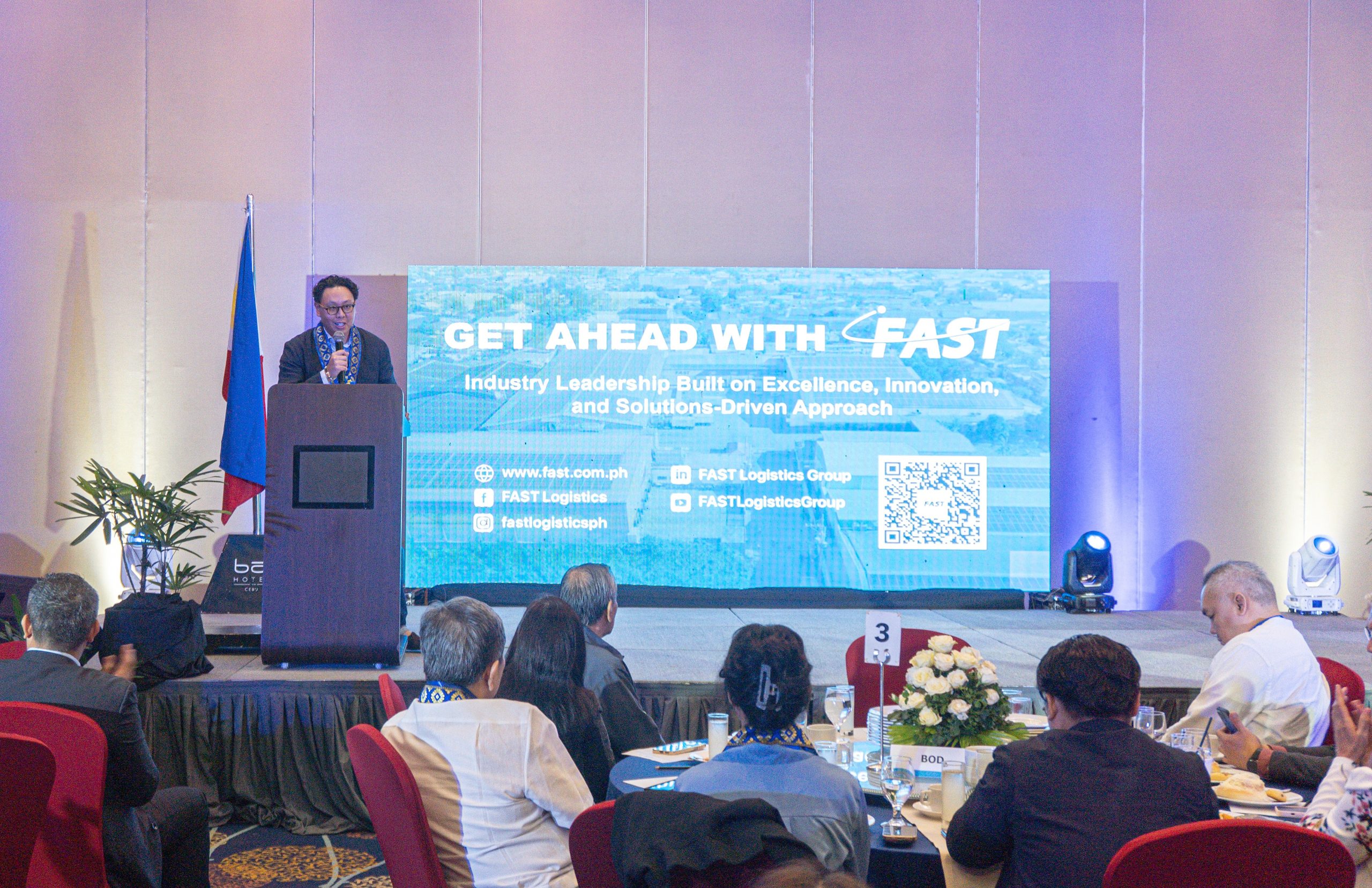
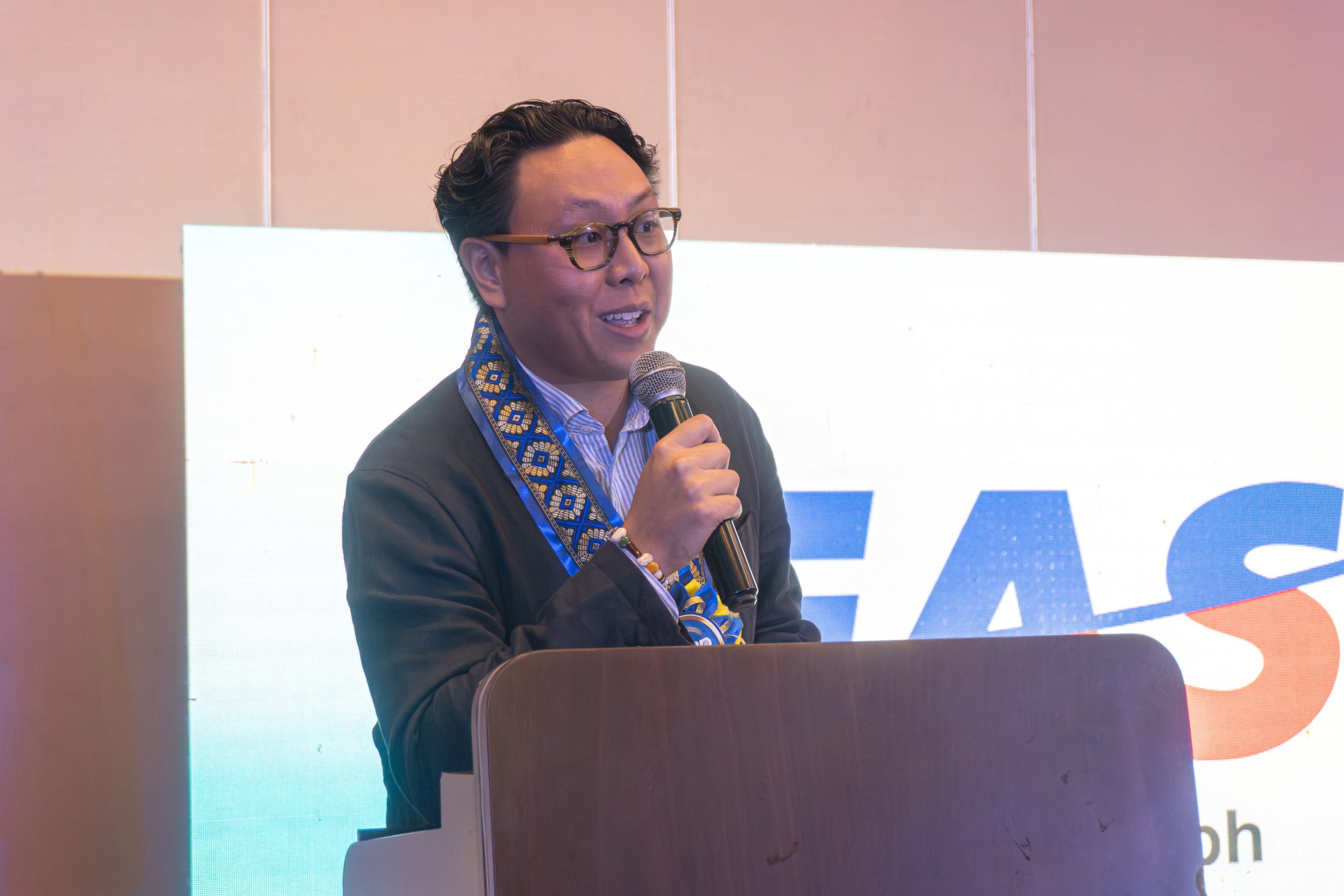
This vision took center stage at the SCMAP Visayas Supply Chain Summit 2026, where Anton Chiongbian, AVP for Customer Revenue Strategy and Digital Transformation, discussed how FAST is preparing for the future while remaining grounded in the values that have shaped its growth.
“The future is not something we simply wait for. It is something we actively build,” Anton said. “For FAST, building the next 50 years means preserving the values and customer focus that brought us here while embracing new ideas, technologies, and ways of working.”
A Legacy Built on Finding Solutions
FAST traces its roots to William Lines, the shipping company established by Anton’s great-grandfather, William L. Chiongbian. Over generations, the business evolved beyond shipping into an integrated logistics provider serving customers across the Philippines.
Today, FAST operates across 94% of Philippine provinces and employs more than 13,000 people. Its network includes over 160 hubs, more than two million square meters of warehouse space, and over 3,100 trucks managed daily, supported by an extensive network of transport and shipping partners.
For FAST, these figures represent more than operational scale. They reflect decades of building the capacity and partnerships needed to move goods across the Philippines’ complex archipelago.
“We often say that we are not simply in the service business. Rather, we are in the business of providing solutions,” Anton said.
This customer-first philosophy guides FAST’s approach to evolving business needs, with logistics solutions tailored to the specific challenges and requirements of each customer.
Technology That Solves Real-World Problems
As supply chains become more complex, technology offers opportunities to improve visibility, operational efficiency, and decision-making. FAST’s approach, however, is to adopt technology based on its ability to solve real operational challenges.
“The next 50 years we are building for FAST is not built on hype, but built on solving real-world problems,” Anton said, emphasizing the importance of simplifying complexity and finding solutions where others see roadblocks.
One initiative is FAST’s transition from its in-house Transport Management System to FarEye, an AI-powered delivery orchestration platform. The platform supports faster capability upgrades, greater customer-facing visibility, and easier integration with other systems.
In transport operations, AI-enabled dashcams help monitor driver behavior, identify potential hazards, and provide real-time alerts to support road safety.
Meanwhile, Honeywell’s Warehouse Management System and voice-picking technology help improve inventory visibility, picking accuracy, and warehouse efficiency.
“We do not adopt AI for AI’s sake. Instead, we utilize innovation and tools to address operational bottlenecks and unlock exponential gains over time,” Anton said.
By focusing on practical outcomes, FAST aims to translate technology investments into more efficient operations and better customer experiences.
Investing in People as Much as Technology
While digital tools are increasingly important, FAST recognizes that technology alone cannot transform a business. Employees remain essential to sound judgment, problem-solving, and strong customer relationships.
“We see technology not as a replacement of our people, but as a way to empower them,” Anton said.
By reducing repetitive manual work and providing employees with better information and tools, FAST aims to give its people more time for critical thinking, communication, collaboration, and other value-adding activities.
Empowering Cebu Businesses with Integrated End-to-End Logistics Solutions
FAST’s future also depends on continued investment in physical infrastructure, particularly in Cebu, where its roots remain closely tied to the region’s business community.
At Tayud, Consolacion, FAST operates a logistics hub offering dry warehousing and temperature-controlled storage. Together with its hubs in Cebu City and Mandaue City, the company’s regional network supports businesses across industries, including food and beverage, consumer goods, personal care, apparel, and industrial products.
Beyond serving major brands, FAST aims to connect Cebu-based businesses to wider markets. By consolidating shipments and linking regional operations to its nationwide transport network, the company helps enterprises distribute their products to more destinations across the Philippines.
Anton highlighted that growing Cebu businesses can leverage FAST’s logistics infrastructure in the province and across the country to outsource complex logistics operations, allowing them to focus on their core business activities and growth.
Keeping Essential Goods Available in Cebu During Supply Chain Disruptions
In his presentation, Anton also shared how FAST’s Crossdock and Transport Hub in Cebu City helps the biggest brands maintain product availability and accessibility in Cebu during supply chain disruptions.
He said FAST is closely working with multinational companies and major conglomerates to pre-position their inventory closer to retailers and consumers before supply chain shocks occur. This forward-stocking strategy is particularly valuable during typhoons, when transport interruptions can delay the delivery of goods from other parts of the country.
Anton cited the example of a canned sardines company that leveraged FAST’s forward-stocking strategy to maintain the availability of its products in Cebu during Typhoon Tino.
By positioning inventory in advance, the company delivered goods to retail outlets and met consumer demand even as other fast-moving consumer goods (FMCG) faced transportation challenges.
“Resilience is not built only when a crisis happens. It is built through the decisions we make beforehand,” Anton said.
Building the Next 50 Years of FAST Logistics Group, Together
As FAST charts its next chapter, its priorities remain clear: modernize operations, strengthen infrastructure, develop its people, and adopt technologies that address real business needs.
“We will keep investing in our people, strengthening our infrastructure, modernizing our operations, and embracing technologies that deliver real value,” Anton said.
Achieving this vision will require collaboration among businesses, logistics providers, government agencies, industry organizations, and communities. Stronger supply chains depend on solutions that address the needs of the wider economy.
For FAST, the goal is not simply to keep pace with change, but to help shape the future of Philippine logistics by building more competitive and resilient supply chains that enable businesses to grow. Connect with our Solutions Experts to learn more
Categories
-

FAST Ahead
Includes case studies and testimonials of our partners as well as other featurettes from industry experts
-

FAST Hacks
We simplify logistics terms and provide practical tips and solutions for the DIY in you
-
FAST Highlights
Know more about our history, various brands, achievements, and news updates
-

FAST Moments
Get to know the people of FAST, our employee programs, as well as our various ways of giving back to the community
-
FAST Solutions
Learn more about the various logistics solutions that we cater to and offer our clients, as well as tech innovations, and service facilities
Related Stories

Logistics Training and Certifications in the Philippines: A Complete Guide
Companies and supply chain professionals should level up their capabilities through logistics training and certifications to meet the increasing needs of businesses, particularly in warehousing. The Philippine logistics ...

Winning in Modern Trade Logistics: An Expert Guide for Food and Beverage Brands
Modern trade logistics refers to the end-to-end planning, storage, transportation, and distribution of products to organized retail formats such as supermarkets and convenience store chains. For food and beverage manufac...

Cultivating Excellence – Top Strategies for Developing Future Supply Chain Leaders
FAST Logistics Group, the leading end-to-end logistics company in the Philippines, explores strategies for developing future supply chain leaders to drive organizational growth and ensure business continuity. Effective l...

FAST Logistics Group is the leading end-to-end logistics and supply chain solutions provider in the Philippines. With over 50 years of industry leadership, we offer a comprehensive suite of services including multi-modal transportation, warehousing, cross-docking, cold chain, and toll manufacturing solutions.
© Copyright 2026 FAST Logistics