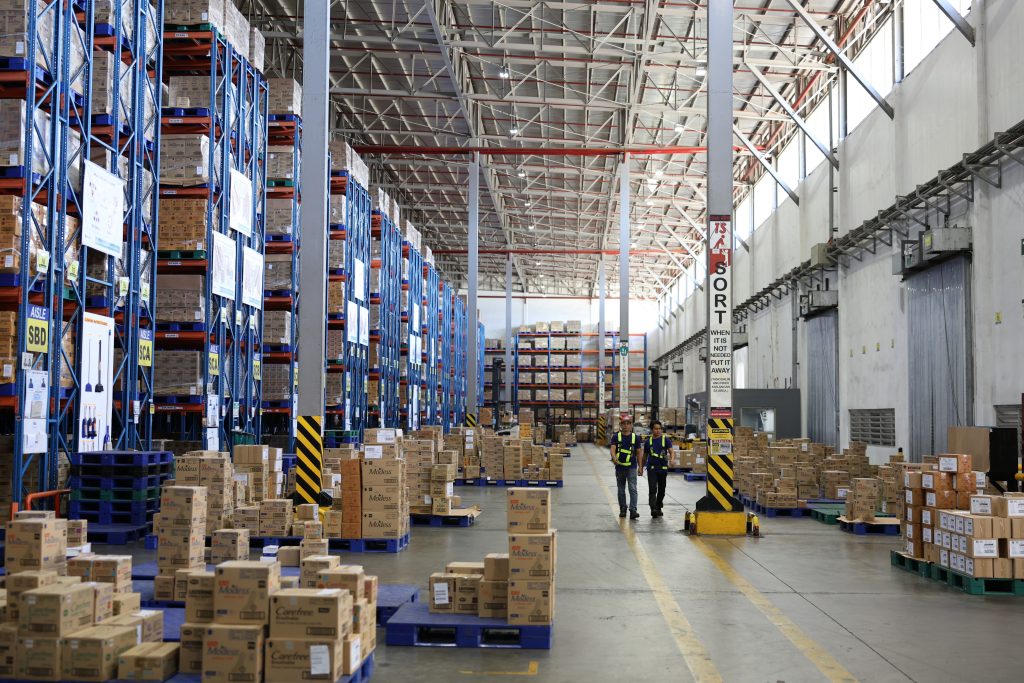
Modern trade logistics refers to the end-to-end planning, storage, transportation, and distribution of products to organized retail formats such as supermarkets and convenience store chains. For food and beverage manufacturers, modern trade logistics is one of the primary drivers of growth.
Supermarkets, hypermarkets, warehouse clubs, and retail chains account for a significant share of consumer purchases in urban areas, making them essential channels for food and beverage companies seeking to increase product visibility, market reach, and sales.
But succeeding in modern trade requires far more than securing shelf space. Retailers demand consistent product availability, strict compliance with delivery schedules, and high service levels. Failure to meet delivery windows can result in penalties and rejected shipments, making timely and complete deliveries essential for food and beverage companies.
For manufacturers, logistics has become a competitive advantage. Food and beverage companies that prioritize logistics can deliver products on time, maintain product quality, and replenish inventory efficiently. They are better positioned to strengthen retailer relationships and capture long-term growth.
This blog is designed for supply chain professionals and F&B brands exploring a modern trade logistics strategy that improves operational efficiency and ensures products remain available where consumers shop.
What is Modern Trade
Modern trade refers to a structured retail system that operates through supermarkets, grocery stores, and other organized retail formats. In the Philippines, this includes retailers such as SM, Robinsons, Puregold, Metro Retail, Alfamart, and similar chains.
Unlike traditional trade, which relies on neighborhood stores and personal relationships, modern trade operates using standardized processes, centralized purchasing, digital inventory management, and structured merchandising programs.
Retailers require suppliers, whose products are displayed on their shelves, to comply with stringent operational requirements. These include packaging standards, barcode specifications, and strict delivery schedules.
For food and beverage manufacturers, modern trade provides access to a larger customer base, stronger brand visibility, and higher sales volumes—but it also demands a more disciplined and reliable supply chain.
What is Modern Trade Logistics
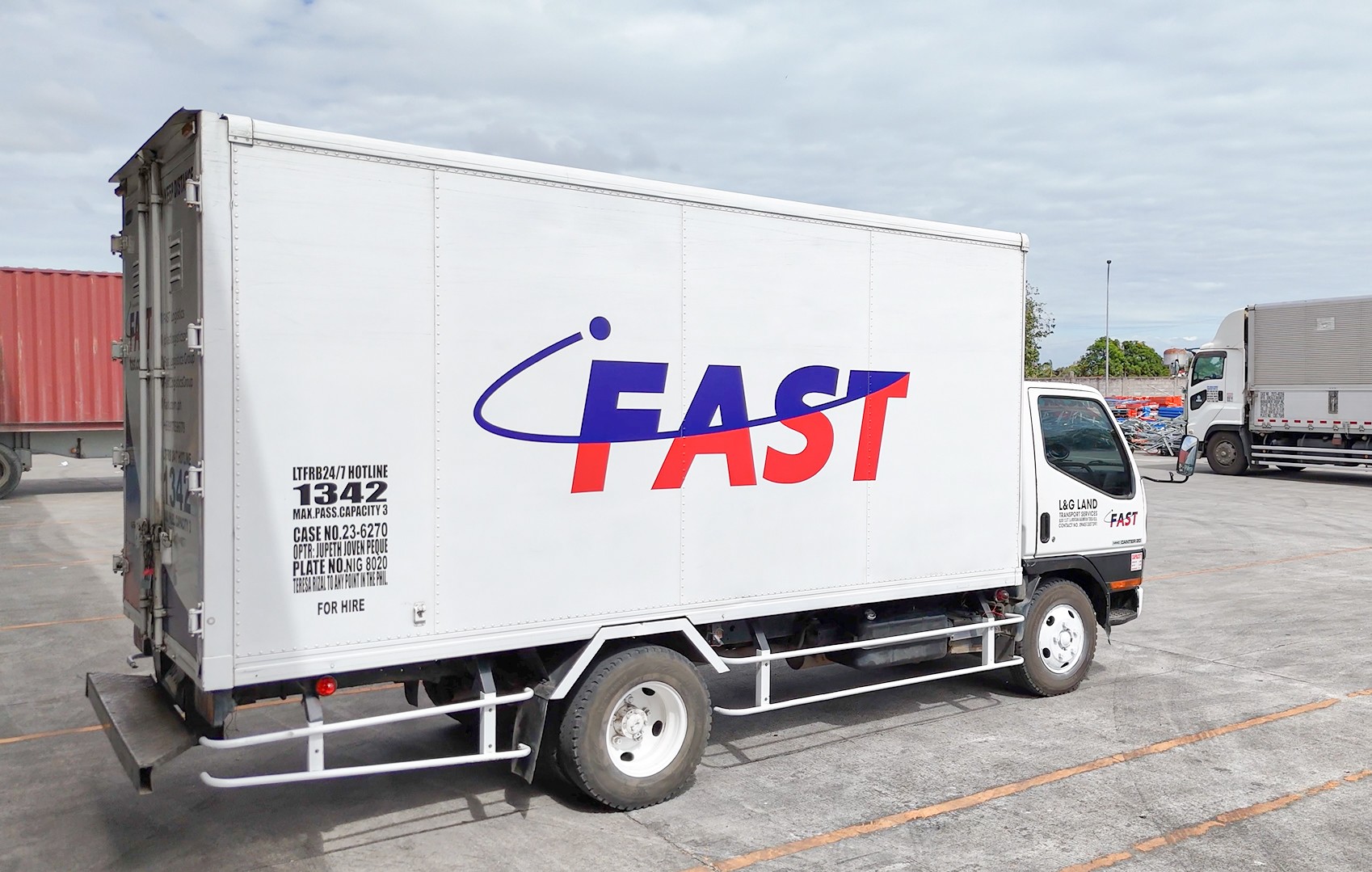
Modern trade logistics involves ensuring products are delivered to retailers on time, in full, and in compliance with their standards.
Ultimately, effective modern trade logistics enables food and beverage companies to meet retailer requirements and maximize growth opportunities. Thus, it is a challenge for supply chain professionals to improve On-Time, In-Full (OTIF) performance, maintain shelf availability, and deliver a consistent customer experience across organized retail channels.
Why Modern Trade Logistics Matters for Food and Beverage Brands
Despite the rapid growth of e-commerce, supermarkets and retail chains remain a preferred shopping destination for many Filipino consumers. Grocery shopping continues to be a routine household activity, particularly for fresh produce, dairy products, frozen goods, beverages, and other everyday essentials. Some Filipino families make it a habit to visit their favorite shopping malls and grocery stores on weekends.
A study by MarkNtel Advisors showed that supermarkets or hypermarkets remain the dominant retail channel in the Philippines, accounting for an estimated 40% of the retail market as of 2026. Food and beverages comprise approximately half of the country’s retail market, reflecting their essential nature and consistent demand across all consumer segments.
Modern trade also plays a significant role in influencing purchasing decisions. Strategic shelf placement, in-store promotions, seasonal campaigns, and product displays encourage impulse purchases and strengthen brand recognition.
Holiday promotions such as Christmas, Valentine’s Day, Back-to-School, and other seasonal campaigns often drive significant increases in consumer demand. For food and beverage brands, ensuring products are available during these peak periods can translate into substantial sales opportunities.
This makes logistics a critical success factor. Manufacturers must ensure inventory is available, replenished quickly, and delivered consistently across multiple retail locations.
Challenges in Modern Trade Logistics
Supplying supermarkets and retail chains requires significantly greater operational discipline than serving traditional retail channels.
Food and beverage manufacturers commonly face challenges such as:
- Strict retailer delivery appointments and receiving schedules
- Maintaining high On-Time, In-Full (OTIF) performance
- Managing inventory across multiple distribution centers
- Preventing stockouts during promotions and seasonal demand spikes
- Maintaining cold chain integrity for temperature-sensitive products
- Complying with pallet, labeling, barcode, and packaging requirements
- Balancing inventory availability while minimizing carrying costs
Without an integrated logistics strategy, these challenges can result in delayed deliveries, retailer penalties, product spoilage, and lost sales opportunities.
Logistics Strategies to Win in Modern Trade
Meet Retailer Delivery Windows
Modern retailers operate on tightly controlled receiving schedules. Deliveries that arrive late, incomplete, or outside their assigned appointment windows may be rejected or incur financial penalties.
To improve OTIF performance, manufacturers should leverage Transportation Management Systems (TMS), route optimization, and electronic proof of delivery (ePOD) to ensure shipments arrive as scheduled.
Warehouse operations should also support retailer requirements through proper pallet configurations, barcode labeling, and electronic data interchange (EDI) for faster purchase order processing and shipment confirmation.
Plan Inventory Around Retail Promos
Retail demand fluctuates significantly during promotional campaigns and seasonal events. Manufacturers that fail to anticipate these spikes often experience stockouts at the exact moment consumer demand is highest.
Collaborative planning between sales, marketing, and supply chain teams helps align production schedules, inventory allocation, and transportation capacity with retailer promotional calendars.
Forward stocking inventory in regional warehouses before major campaigns can also shorten replenishment lead times and improve product availability. Outsourcing toll manufacturing requirements — such as promo bundling and stickering — accelerates promotional rollouts and ensures products reach supermarket shelves on time and ready for sale.
Use Data to Improve Replenishment
Modern trade is driven by data. Retailers monitor sales velocity, inventory turnover, and product availability to determine replenishment requirements.
Manufacturers should use demand forecasting, sales analytics, and Warehouse Management Systems (WMS) to optimize inventory levels and enforce FIFO and FEFO inventory rotation. Real-time inventory visibility enables faster replenishment decisions while reducing product expiry and excess stock.
Protect Cold Chain Integrity
Maintaining the cold chain is essential for dairy products, frozen foods, meat, seafood, fresh produce, and chilled beverages.
Temperature-controlled warehousing, refrigerated transportation, and real-time temperature monitoring help preserve product quality throughout the supply chain. Partnering with an experienced cold chain logistics provider also enables manufacturers to scale operations during seasonal demand peaks while maintaining compliance with food safety standards.
Partner with a Trusted 3PL Provider
Managing transportation, warehousing, and distribution internally requires significant capital investment and operational expertise. Many manufacturers instead partner with third-party logistics (3PL) providers to improve efficiency and scale nationwide.
An integrated 3PL combines warehousing, transportation, cold chain, inventory management, and retail distribution into a single solution, providing better coordination, improved visibility, and lower overall logistics costs.
Modern Trade Logistics Success Story: Choice Harvest Marketing Inc.
Choice Harvest Marketing Inc. (CHMI), one of the Philippines’ leading fruit wholesalers, relies on FAST Logistics Group to support its supermarket distribution operations.
The company imports fresh fruits and also sources directly from local farmers. These products are supplied to one of the country’s largest retail chains, requiring reliable and timely deliveries to ensure freshness and product availability.
CHMI initially entrusted FAST with two delivery trips per day while maintaining its own fleet. As FAST consistently demonstrated reliable transport performance, CHMI outsourced its entire transport requirements and modern trade logistics needs to FAST, eliminating the burden of fleet maintenance, fuel management, driver scheduling, and vehicle breakdowns.
FAST manages at least 17 delivery trips of CHMI daily. FAST transports CHMI’s products through AUVs, four-wheeler trucks, and six-wheeler trucks to service supermarket branches across Metro Manila and Luzon. By partnering with FAST, CHMI has been able to focus on its core business.
Winning Modern Trade with the Right Logistics Partner
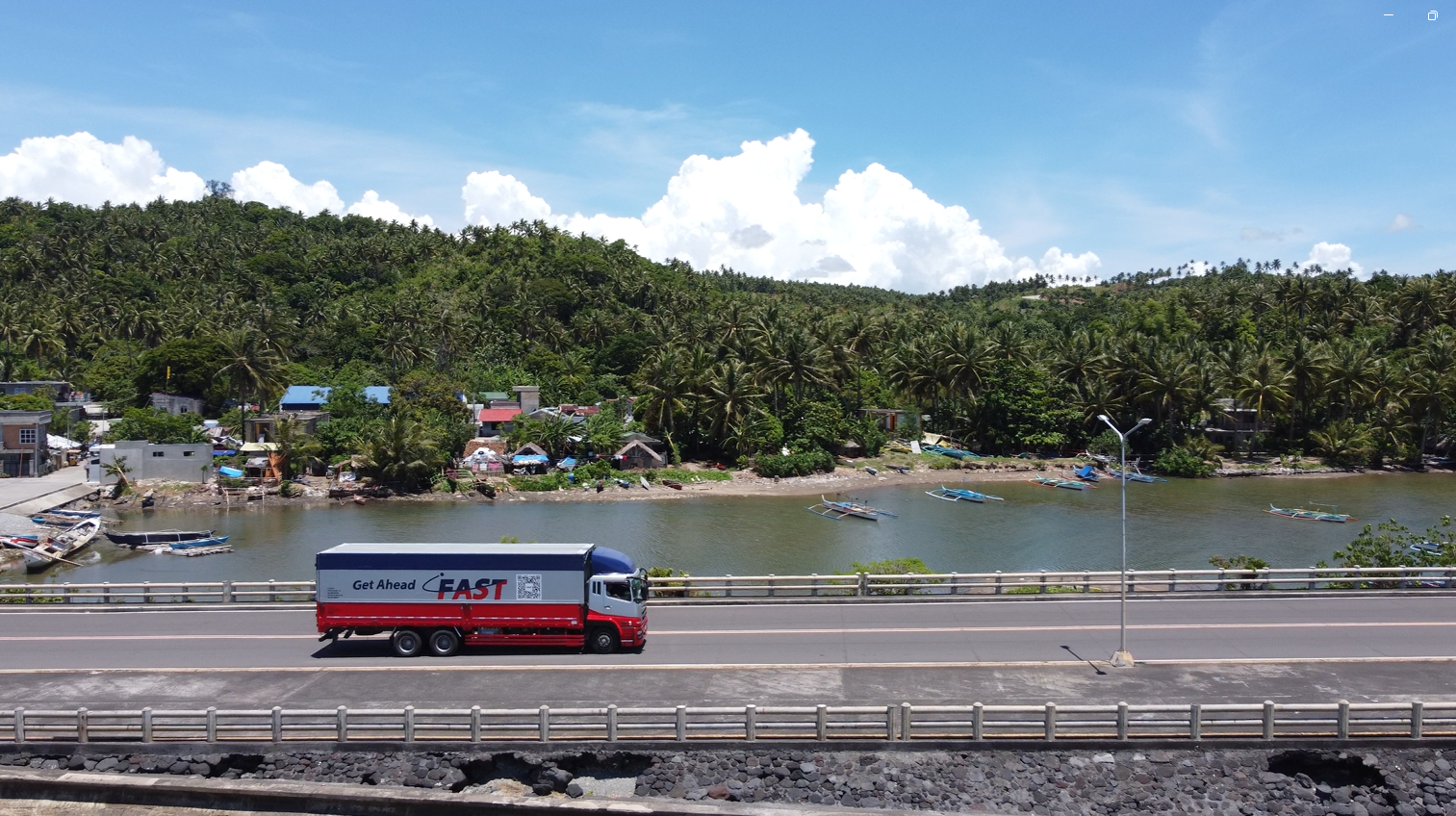
Success in modern trade depends on more than having quality products. It requires a logistics network capable of consistently meeting retailer delivery requirements, maintaining product quality, and ensuring products remain available whenever consumers shop.
With over 50 years of experience supporting the Philippine food and beverage industry, FAST Logistics Group provides integrated end-to-end supply chain solutions that help manufacturers optimize warehousing, transportation, cold chain, and nationwide distribution, enabling them to scale confidently across modern trade channels.
FAST is best suited for companies that need:
- Nationwide distribution across Luzon, Visayas, and Mindanao, particularly in key cities: Manila, Cebu, Iloilo, Bacolod, Ormoc, Tacloban, Davao, Cagayan de Oro, Zamboanga, General Santos, Dipolog, Iligan, Ozamis, Pagadian, and Surigao
- Integrated 3PL services: warehousing, multi-modal transport or freight forwarding, cold chain, crossdocking, and toll manufacturing or value-added services
- Modern trade logistics support or delivery to retail chains and supermarkets
- Strong visibility and accountability through service level agreements (SLAs) and dedicated account management
- Flexible transport modes and inter-island transfer covering inland trucking, RoRo, sea freight, and air freight
- Product bundling, stickering, and labeling for retail formats
- A transition from in-house logistics operations or multiple logistics providers to a unified system
- Long-term, contract-based logistics partnerships
FAST serves a diverse portfolio of fast-moving consumer goods (FMCG) companies, including many of the country’s leading food, beverage, and personal care brands. Multinational companies, major conglomerates, and up-and-coming brands rely on FAST for the timely delivery of their goods to supermarkets and retail stores. Connect with our Solutions Experts to learn more
Overview of the Philippine Retail Industry and Modern Trade Landscape
The Philippine retail industry continues to present significant growth opportunities for food and beverage manufacturers. Valued at USD 74.56 billion in 2025, the retail market is projected to reach USD 121.85 billion by 2032, growing at a compound annual growth rate (CAGR) of 7.27%. Food and beverages account for approximately half of the country’s retail market, highlighting the sector’s importance to both retailers and manufacturers.
Modern trade remains the dominant retail channel, with supermarkets and hypermarkets accounting for an estimated 40% of retail sales. Major retail chains such as SM Supermarket, Robinsons Supermarket, Puregold, WalterMart, S&R, and Landers continue to expand their footprint, giving food and beverage brands greater opportunities to reach consumers nationwide. However, succeeding in these channels requires manufacturers to consistently meet stringent delivery schedules, inventory requirements, and merchandising standards.
Philippine retail is omnichannel. According to the Philippine Statistics Authority (PSA), the digital economy contributed 8.5% of the country’s GDP in 2024, reflecting the growing influence of e-commerce and digital platforms on consumer purchasing behavior. Meanwhile, the Bangko Sentral ng Pilipinas (BSP) reported that 57.4% of retail transactions in 2025 were made through digital payments, while the number of Filipinos participating in online buying and selling rose significantly to 29.8% in 2024. These trends are reshaping how consumers shop, requiring brands to synchronize inventory and fulfillment across both physical stores and online channels.
For food and beverage manufacturers, this evolving retail landscape underscores the need for an agile and integrated supply chain. Whether supplying supermarket shelves, fulfilling online grocery orders, or supporting omnichannel promotions, manufacturers need logistics partners capable of delivering products efficiently, maintaining inventory visibility, and ensuring consistent product availability across every retail channel.
FREQUENTLY ASKED QUESTIONS (FAQs) ABOUT MODERN TRADE LOGISTICS
Which is Better for Food and Beverage Businesses: Traditional Trade or Modern Trade
Neither channel is inherently better—both play an important role in a food and beverage company’s distribution strategy. Traditional trade, which includes sari-sari stores, wet markets, and neighborhood groceries, offers extensive market reach and strong community presence, particularly in provincial areas. Modern trade, on the other hand, provides greater product visibility, larger order volumes, centralized procurement, and opportunities to participate in nationwide promotions. The most successful food and beverage brands adopt an omnichannel distribution strategy, serving both traditional and modern trade to maximize market coverage while tailoring their logistics operations to the unique requirements of each channel.
Why is OTIF Important in Modern Trade Logistics
On-Time, In-Full (OTIF) is one of the most important performance metrics in modern trade. Retailers expect suppliers to deliver the correct products, in the correct quantities, within scheduled delivery windows. Maintaining high OTIF performance helps manufacturers avoid retailer penalties, improve shelf availability, strengthen customer relationships, and secure future purchase orders.
How Food and Beverage Manufacturers Reduce Logistics Costs
Manufacturers can lower logistics costs by optimizing transportation routes, consolidating shipments through co-loading, implementing forward stocking strategies, improving warehouse efficiency, and partnering with an integrated third-party logistics or 3PL provider. Technology such as Warehouse Management Systems or WMS and Transportation Management Systems or TMS also helps improve inventory visibility and operational efficiency.
Why Should Food and Beverage Companies Partner with a 3PL
A third-party logistics or 3PL provider enables manufacturers to outsource warehousing, transportation, cold chain, and distribution to logistics specialists. This allows businesses to scale more efficiently, improve nationwide coverage, reduce capital investment in logistics infrastructure, and focus on core activities such as product innovation, manufacturing, and sales while ensuring reliable deliveries to both traditional and modern trade channels.
Categories
-

FAST Ahead
Includes case studies and testimonials of our partners as well as other featurettes from industry experts
-

FAST Hacks
We simplify logistics terms and provide practical tips and solutions for the DIY in you
-

FAST Highlights
Know more about our history, various brands, achievements, and news updates
-

FAST Moments
Get to know the people of FAST, our employee programs, as well as our various ways of giving back to the community
-
FAST Solutions
Learn more about the various logistics solutions that we cater to and offer our clients, as well as tech innovations, and service facilities
Related Stories
FAST Logistics Showcases Multi-Modal Transport Capabilities, 3PL Solutions at 2nd Annual UPC Stakeholders Summit
FAST Logistics Group, the Philippines’ leading third-party logistics (3PL) provider, participated in the Abante Logistics: 2nd Annual Stakeholders Summit organized by the United Portusers Confederation of the Phili...
FAST Truckers’ Roadshow in Cagayan de Oro Highlights Growth and Support Programs
FAST Logistics Group, the Philippines’ leading provider of end-to-end logistics solutions, held a Truckers’ Roadshow in Cagayan de Oro City on Tuesday, January 20, to encourage and assist truck owners and aspiring en...

FAST Logistics Inks Deal with DTI CamSur, Bicol Entrepreneurs to Boost Logistics Support for MSMEs
FAST Logistics Group, the Philippines’ leading end-to-end logistics company, has forged a strategic partnership with the Department of Trade and Industry (DTI) Camarines Sur and the Bicol Entrepreneurs Alliance ...

FAST Logistics Group is the leading end-to-end logistics and supply chain solutions provider in the Philippines. With over 50 years of industry leadership, we offer a comprehensive suite of services including multi-modal transportation, warehousing, cross-docking, cold chain, and toll manufacturing solutions.
© Copyright 2026 FAST Logistics