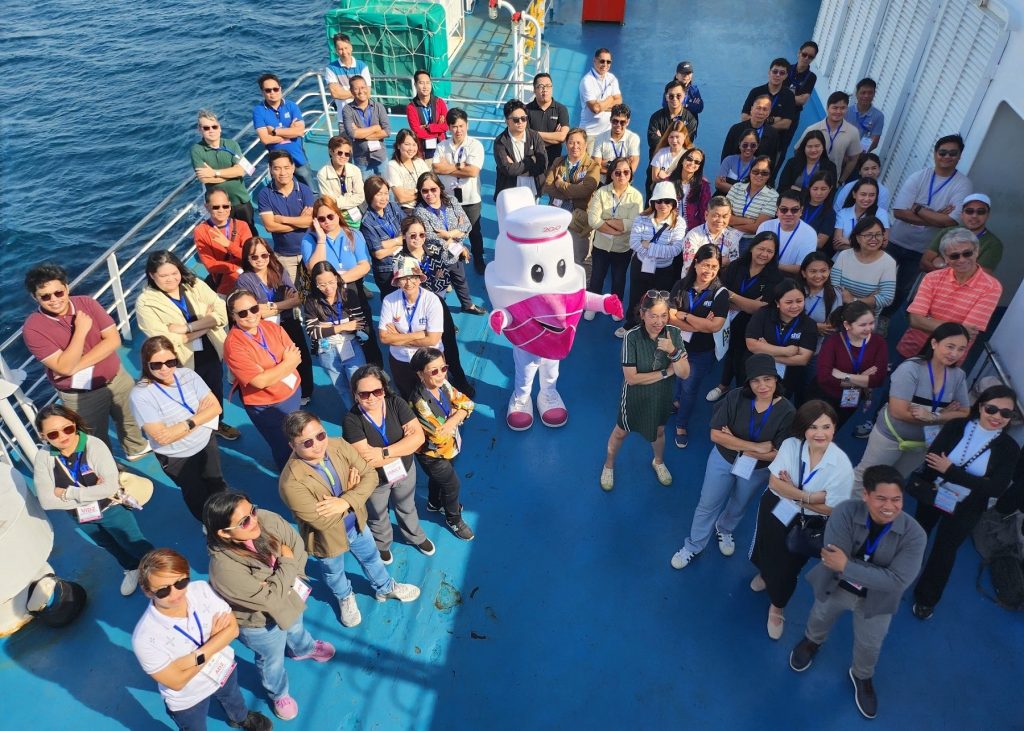
FAST Logistics Group underscored the importance of integrated, end-to-end logistics solutions in strengthening national resilience during the Department of Trade and Industry’s (DTI) flagship supply chain training program for its key officials and employees.
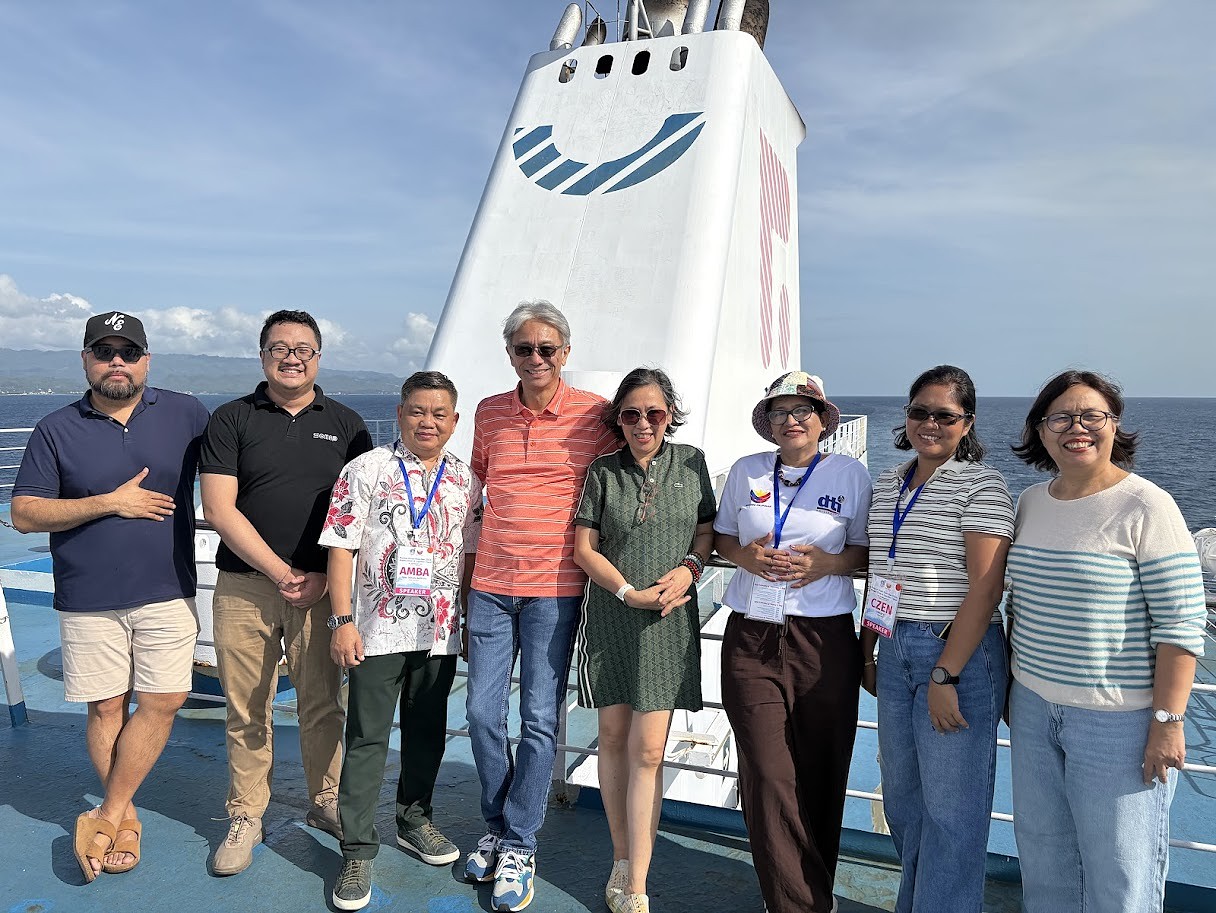
FAST VP for Strategic Growth Initiatives Gladys Ceniza served as one of the resource speakers at Project Chain Reaction 2026: Supply Chain & Logistics TRIPOD, an intensive and forward-looking initiative organized by the DTI Supply Chain and Logistics Group headed by Undersecretary Mary Jean Pacheco.
Held from February 26 to 28 aboard a vessel traveling from the Manila Port to Tagbilaran, the training gathered DTI officials and staff from national bureaus, Regional and Provincial Offices, and attached agencies. The program aimed to build a professional cadre of logistics and supply chain specialists within the department, equipping them with the strategic perspective needed to enhance the country’s supply chain ecosystem.
The immersive setting fostered collaboration among participants and created a focused, high-engagement environment for strategic discussions. These conversations were geared toward shaping DTI’s work plans for the year ahead through a comprehensive supply chain lens.
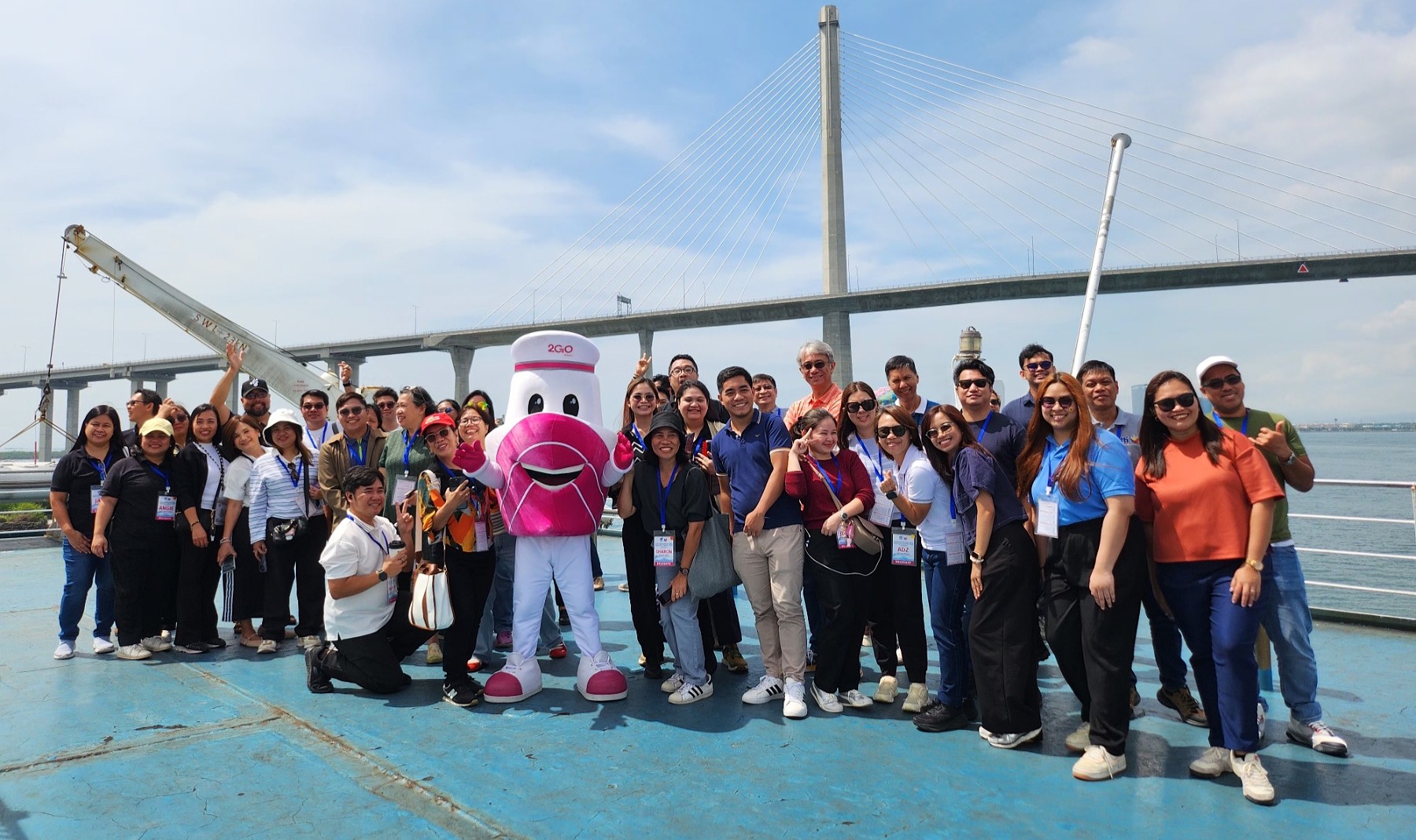
Integrated, End-to-End Logistics in the Philippines: An Introduction
Gladys, a member of the DTI Supply Chain and Logistics Guild, delivered an in-depth discussion during Session 6: “What You Need to Know About Integrated Logistics.”
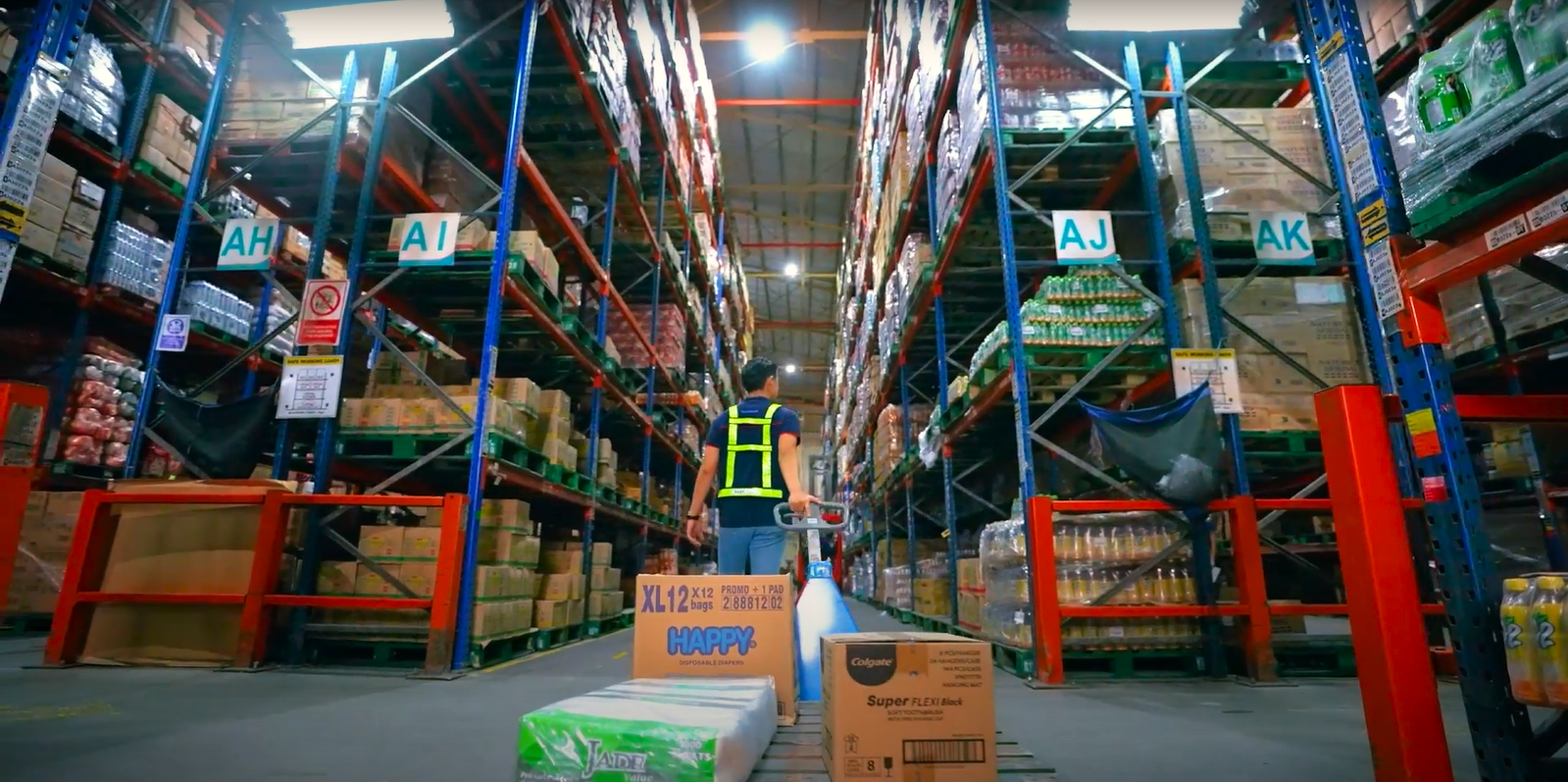
Integrated, end-to-end logistics refers to the seamless coordination and management of warehousing, transportation, cold chain, cross-docking, toll manufacturing, and information flow — from point of origin to final destination — under a unified strategy and system. This approach ensures efficiency, visibility, and reliability across the entire supply chain.
At a national scale, integrated logistics forms the foundation of resilient supply chains. It enables better visibility, faster decision-making, and greater transparency for both businesses and government institutions.
When physical operations are synchronized with digital systems, inefficiencies are reduced, delays are minimized, and organizations are able to respond more effectively to disruptions.
Only a few logistics service providers in the Philippines are capable of delivering true integrated, end-to-end solutions. FAST Logistics Group, with over 50 years of industry leadership, is one of them.
FAST’s operational capabilities are complemented by globally recognized digital systems, including a Warehouse Management System (WMS) powered by Honeywell and a Transport Management System (TMS) powered by FarEye for real-time visibility, process control, and performance optimization.
“Integrated, end-to-end logistics is the foundation of resilient supply chains. When supply chain solutions and data flows are connected, we enable faster decisions, improve accountability, and create greater value for both government programs and private enterprises,” Gladys said.
Understanding 1PL, 2PL, 3PL, and 4PL
To provide context, Gladys walked participants through the evolution of logistics models — from 1PL to 4PL — explaining how each stage reflects increasing levels of integration, coordination, and strategic oversight.
- 1PL (First-Party Logistics) – A business manages its own transportation and logistics
- 2PL (Second-Party Logistics) – A transport provider moves a company’s goods from one point to another
- 3PL (Third-Party Logistics) – A service provider manages multiple logistics functions such as transportation, warehousing, distribution, and digital systems
- 4PL (Fourth-Party Logistics) – A strategic partner that oversees and optimizes the entire supply chain, acting as a single point of contact for all supply requirements
Delivering integrated, end-to-end logistics solutions relies primarily on 3PL and 4PL models. These structures allow companies to shift from transactional service arrangements to strategic supply chain partnerships.
As the Philippines’ largest end-to-end integrated logistics solutions provider, FAST delivers both 3PL and 4PL capabilities. This enables businesses to gain greater visibility and control, improve cost efficiency through process optimization, and enhance customer service and reliability.
A 3PL provider like FAST manages:
- Multiple transport providers
- Warehousing networks
- Shipping lines
- Air freight partners
- Digital systems and information flow
- End-to-end coordination among distribution channels
Meanwhile, as a 4PL partner, FAST:
- Manages the entire supply chain of a company
- Serves as a single point of contact for all logistics requirements
- Optimizes the assets and performance of various 3PL providers
- Designs strategic supply chain solutions for medium-sized businesses and large enterprises
Partnering with a 3PL or 4PL provider is beneficial for companies that are scaling rapidly. It is also fit for businesses whose logistics requirements have outgrown their internal capabilities.
Through integration, businesses can focus on core operations while entrusting supply chain complexity to a strategic expert.
Case in Point: FAST and DTI Partnership for IFEX 2025
Gladys shared a real example of integrated, end-to-end logistics. FAST partnered with the DTI Guimaras Provincial Office, the Province of Guimaras, and Guimaras mango producers for IFEX 2025 at the World Trade Center.
For the event, FAST purchased and transported two tons of premium Guimaras mangoes. The mangoes arrived fresh and in excellent condition for both local and international buyers.
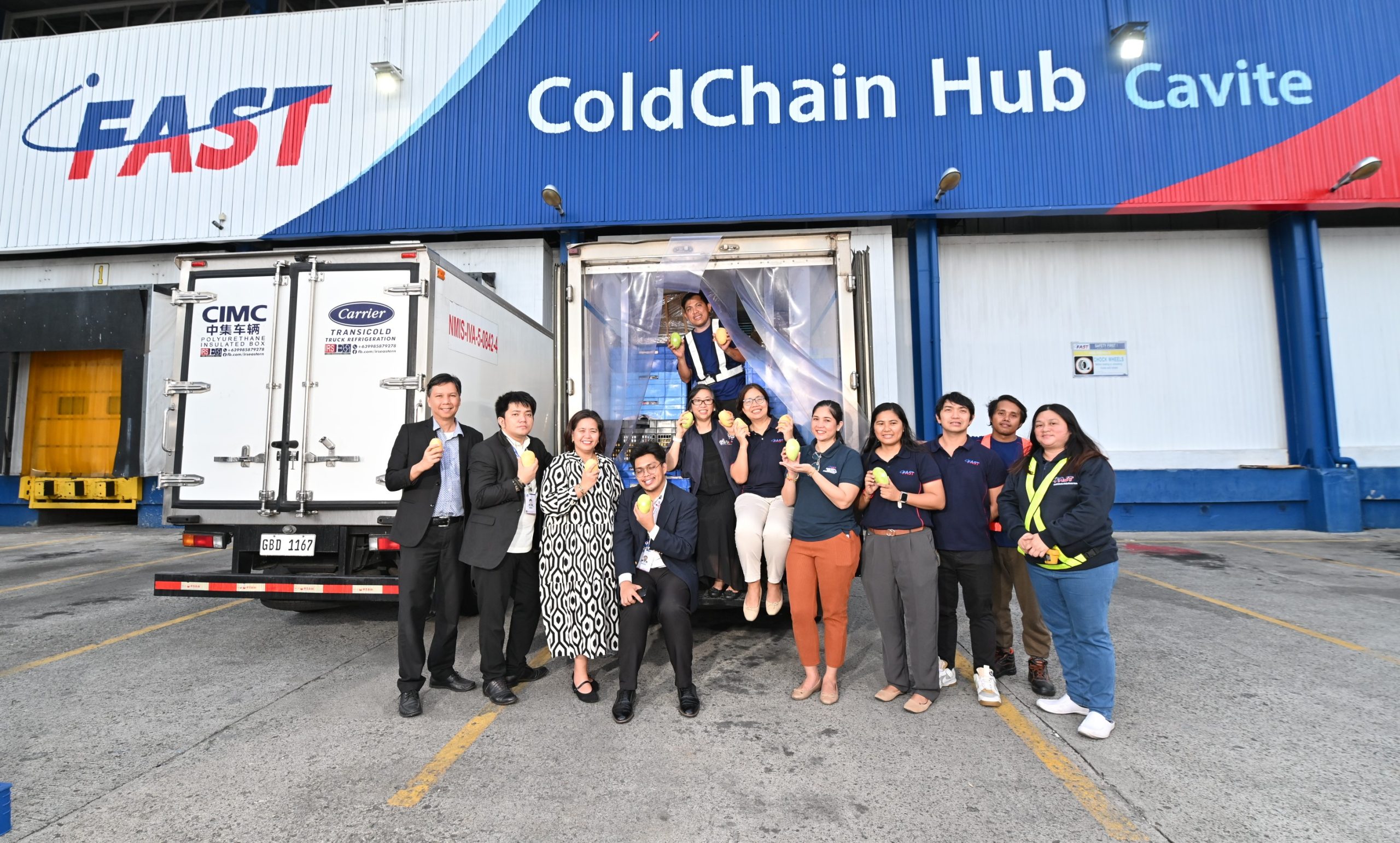
The solution required precise coordination across multiple logistics components:
- Transporting mango using a refrigerated van transport via RoRo to maintain optimal temperature from origin
- Careful handling and continuous monitoring throughout transit
- Temporary storage at FAST Cold Chain Hub Cavite to preserve freshness prior to delivery at IFEX 2025
FAST managed every stage of the process — from farm harvest to temporary storage. Through FAST’s end-to-end cold chain capabilities, there was zero wastage, proving the reliability and precision of an integrated logistics partner.
“The delivery of Guimaras mangoes is a simple but powerful example of what integrated logistics looks like on the ground — tight coordination and clear accountability from pickup to temporary storage offered by a logistics company with 3PL and 4PL capabilities,” Gladys said. “When we protect product quality end-to-end, we protect value for producers and confidence for buyers.”
In a country prone to weather disruptions and transport delays, moving temperature-sensitive goods smoothly from island farms to distribution hubs shows how integrated logistics protects both livelihoods and food security. It also helps increase supply chain resiliency.
FAST Logistics Group: Enabling Growth Through Integrated, End-to-End Solutions
With its nationwide network and digitally integrated systems, FAST continues to empower businesses of all sizes to scale with confidence. By combining infrastructure, technology, and strategic oversight, the company enables supply chains that are more visible, agile, and responsive.
Businesses that choose FAST as their logistics provider enjoy:
- DC and warehouse management with flexible dry and cold storage solutions
- Multimodal transport via land/RoRo, air, and sea
- Cross-dock management and direct-to-store deliveries
- Toll manufacturing and value-added services
- Network planning and consulting
Through enhanced supply chain visibility and control, improved cost efficiency driven by optimized processes, and reliable service supported by integrated systems, FAST remains at the forefront of providing integrated, end-to-end logistics solutions for multinational companies, major conglomerates, international startups, and micro, small, and medium enterprises (MSMEs).
With over 50 years of industry leadership, FAST is a steadfast partner of the government to build a stronger, more resilient supply chain. Connect with our Solutions Experts to learn how we help businesses
Categories
-
FAST Ahead
Includes case studies and testimonials of our partners as well as other featurettes from industry experts
-
FAST Hacks
We simplify logistics terms and provide practical tips and solutions for the DIY in you
-
FAST Highlights
Know more about our history, various brands, achievements, and news updates
-
FAST Moments
Get to know the people of FAST, our employee programs, as well as our various ways of giving back to the community
-
FAST Solutions
Learn more about the various logistics solutions that we cater to and offer our clients, as well as tech innovations, and service facilities
Related Stories
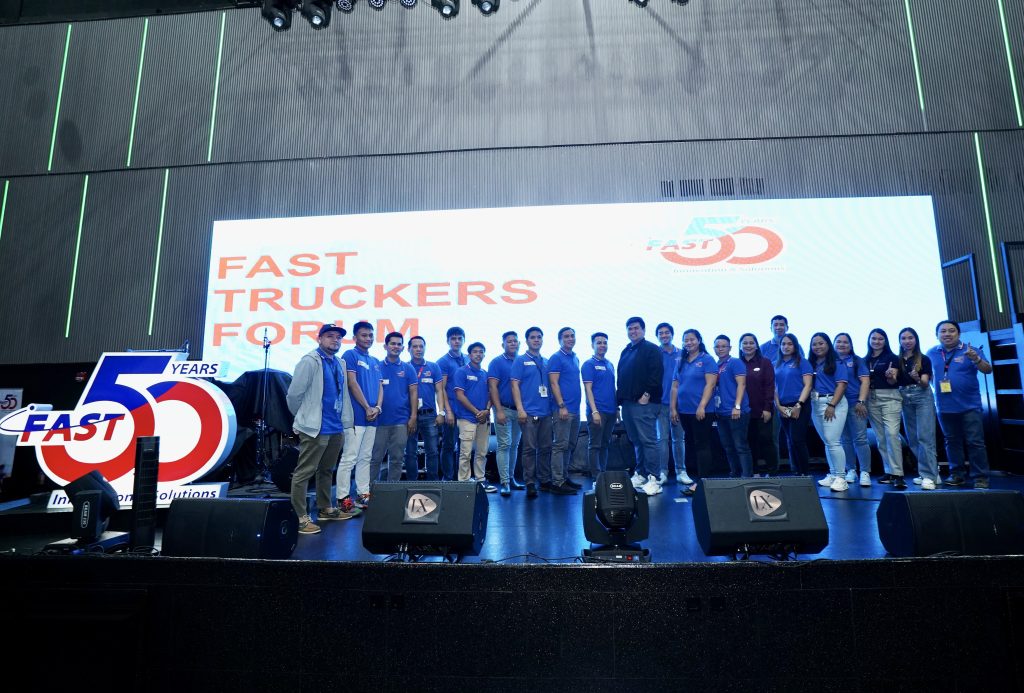
Road to Excellence: FAST Logistics Group Spearheads FAST Truckers Forum, One-Day Accreditation Event for Truckers and Investors
FAST Logistics Group, Philippines’ premier end-to-end logistics company, held an exclusive one-day accreditation event that drew participants like Filipino truck owners and those eager to venture into the industry from various backgrounds. FAST Logistics Group, the trusted logistics partner of the leading brands in the country, spearheaded the FAST Truckers Forum, its very first one-day...
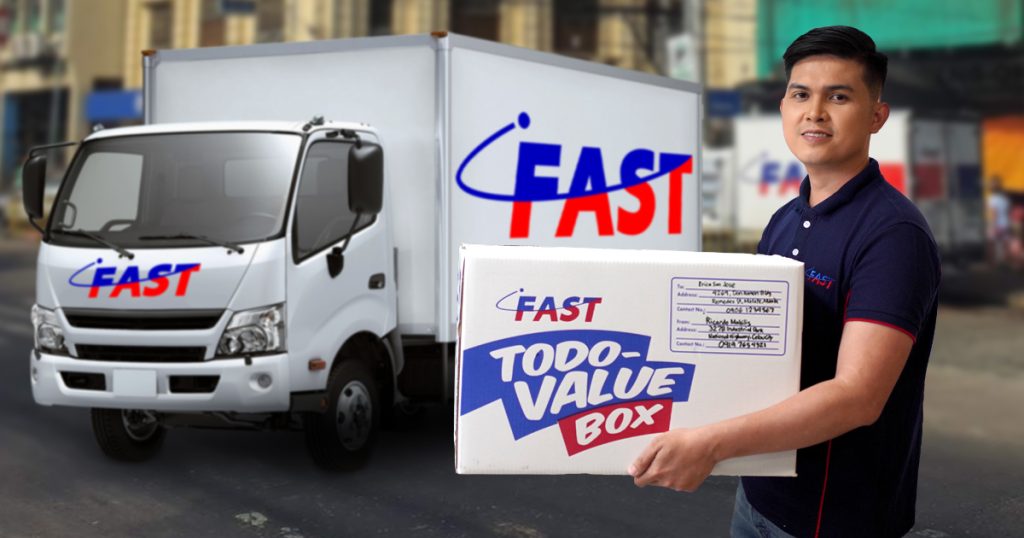
FAST Logistics Takes the Hassle Out of Shipping in Recto, Manila
Business owners in north-central Manila who want a more convenient way to send out their items can now do so by dropping off their packages at the FAST trucks stationed at Azcarraga Textile Market. With FAST trucks stationed at Azcarraga Textile, there’s no need to go all the way to FAST outlets just for delivery!...
Agro-Logistics in the Philippines: Challenges and Opportunities
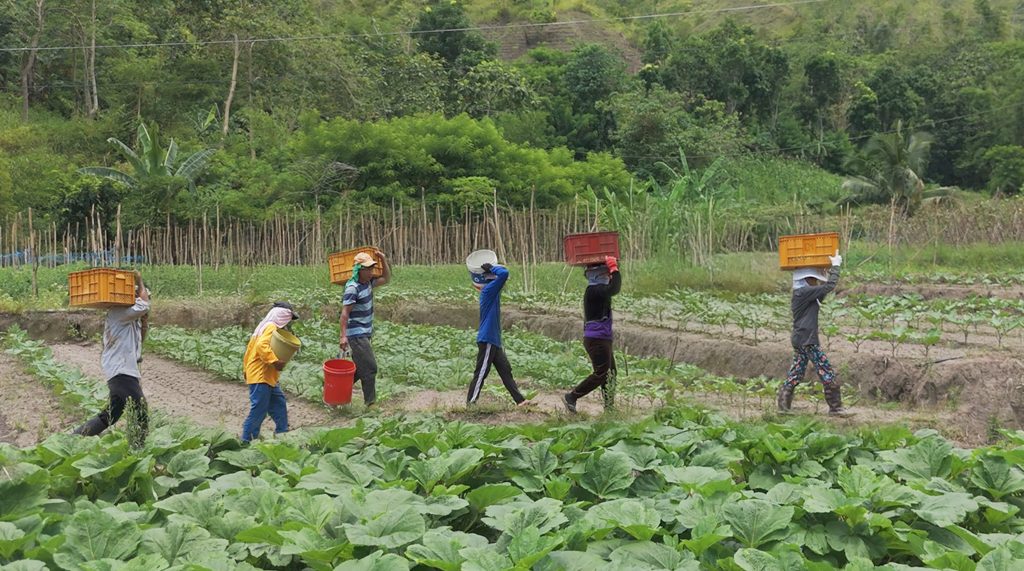
FAST Logistics Group, the country’s leading logistics provider, explores the challenges in agro-logistics in the Philippines and offers potential solutions to overcome them. Agro-logistics, which refers to the efficient transport, storage, and handling of agricultural products, is critical to ensuring nutritious food reaches Filipino households across our archipelago. It encompasses warehousing, transportation, cold chain infrastructure,...

With over 40 years' experience, Fast Group operates an extensive network of transport, warehousing, distribution, and logistics solutions covering inland, air, and sea forwarding and courier services across the 7,641 Philippines islands to help our customers reach the furthest regions of the country.