
Capability under pressure matters more than availability. Logistics providers must go beyond standard operations to manage inevitable disruptions such as fuel price volatility, typhoons, and port congestion.
The question for businesses is no longer whether they have a logistics provider. The better question is whether that strategic logistics partner can perform during supply chain shocks or emergencies.
Global disruptions are already seeing the effects in delayed deliveries between Manila and provincial hubs, and rising costs across distribution networks. This shift requires a new way of thinking. Resilience must be built into the network in a country where supply chains depend on inter-island connectivity.
Here’s what to assess when evaluating your third-party logistics (3PL) provider.
1) Proactive Risk Management and Crisis Continuity Plan
A crisis-ready logistics partner must have a documented and tested Business Continuity Plan (BCP). This plan should account for real scenarios such as typhoon disruptions or fuel shortages affecting nationwide transport. It should not exist only on paper but be actively updated and used in operations.
Financial resilience is equally critical. A strong partner should be able to absorb short-term cost spikes without compromising service. This ensures continuity even when external conditions are unstable.
2) Network Coverage and Scale
A strong logistics network should have nationwide reach. They must cover key economic zones aside from Metro Manila and CALABARZON, including Cebu, Iloilo, Bacolod, Davao, Cagayan de Oro, and other growth centers. Nationwide reach ensures that goods can move across islands without relying on a single route or hub.
Redundancy is essential in a country prone to disruption. When routes from Manila to Visayas or Mindanao are affected, alternative hubs and routes must be available. Without this, delays in one area can quickly affect the entire supply chain.
3) Multi-Modal Capabilities
A crisis-ready logistics partner can shift between land, RoRo, sea, and air transport. They should also have alternative routes and partners to handle disruptions in key areas like Metro Manila to Visayas and Mindanao corridors.
Global shipping disruptions have shown how important this capability is. When ports are congested or routes are blocked, alternatives must be available. Multi-modal capability allows them to adapt when one mode becomes unavailable or delayed.
4) Inventory Strategy Support
A strong logistics partner should support forward stocking and smart warehousing models and practices. This allows businesses to position inventory closer to demand. It reduces reliance on long-haul transport and improves availability.
They should also be able to handle both warehousing and transport needs. A partner that manages both ensures better coordination, as well as faster movement of goods and replenishment cycles.
5) Cost Management Capability
Fuel price volatility directly impacts logistics costs in the Philippines. A capable partner uses route optimization, load consolidation, and efficient fleet utilization to manage these increases. This reduces unnecessary movement and improves cost efficiency.
Without active cost management, businesses are forced to absorb higher expenses or pass them on to customers. A strong logistics partner helps stabilize costs despite volatility to protect margins and market share.
6) Digital Transformation and Real-Time Visibility
Real-time visibility is critical during disruptions. A crisis-ready partner should provide tracking systems such as GPS and AI-powered tools that allow businesses to monitor shipments across key routes (Manila to provincial distribution hubs in the Visayas and Mindanao) to fast-track decision-making.
They should also use data to support demand forecasting and replenishment. This reduces dependence on centralized hubs that are vulnerable during disruptions. Digital tools allow proactive adjustments and contingency routing instead of reactive responses.
7) Transparency and Communication
Clear and proactive communication is essential during uncertainty. A strong logistics partner provides timely updates on delays, cost changes, and operational risks to adjust plans before issues escalate.
They should also assign dedicated Solutions Experts who understand your operations. Having a named contact responsible for crisis coordination builds accountability and confidence. This ensures that communication remains structured and reliable.
8) Flexibility and Agility
A crisis-ready partner must be able to reroute shipments quickly. When disruptions affect key corridors such as Manila to Visayas and Manila to Mindanao routes, operations should continue through alternative paths. A flexible and agile logistics partner helps businesses minimize downtime and maintain service levels during emergencies.
They must also be able to scale operations based on demand. Sudden increases or shifts in volume should not disrupt delivery performance. Agility allows businesses to respond effectively to both risks and opportunities.
9) Proven Crisis Execution
Experience in real-world disruptions is a strong indicator of capability. A partner that has operated during disasters and unprecedented times can perform under pressure. This includes maintaining delivery speed and coordination in difficult conditions.
Execution is the true test of readiness. Plans and strategies are important, but actual performance defines reliability. A partner that consistently delivers during crises proves its capability.
10) Strategic Mindset
A crisis-ready logistics partner acts as a strategic partner, not just a vendor. They contribute to planning, network design, and long-term supply chain improvement. Their role extends beyond execution to include problem-solving and optimization.
They should align their services with your business goals. More importantly, this ensures that logistics supports growth and competitiveness. Strategy becomes integrated into daily operations.
Warning Signs Your Logistics Partner Is Not Ready
Not all logistics partners are equipped to handle disruption. Before a crisis exposes the gaps, businesses should watch for these warning signs.
Limited Network
A restricted network reduces coverage and creates bottlenecks during disruptions, making it difficult to reroute and maintain delivery continuity. It also limits your ability to serve key markets consistently, especially when one hub or route is affected.
Slow Response Times
Delayed decision-making affects delivery schedules and recovery speed. A partner that cannot act quickly may cause small issues to escalate into missed deliveries, stock imbalances, and customer dissatisfaction.
No Contingency Planning
Without backup plans, operations stop when routes or facilities are disrupted. A provider without contingency planning is often forced to react too late, increasing downtime and making recovery more costly.
Lack of Transparency
Poor visibility on costs and operations makes it harder to manage risks. When updates are delayed or unclear, decision-making slows down and trust in the partnership weakens.
Purely Transactional Relationship
A provider that only executes orders does not support planning or decision-making. In a crisis, businesses need a partner that can provide insight, recommend solutions, and work proactively — not one that simply waits for instructions.
Why Crisis Readiness Matters
Crisis readiness matters because logistics failures have immediate business consequences, including:
- Delays – When logistics breaks down, delivery schedules slip, and replenishment cycles slow down. These delays affect operations quickly and can disrupt everything from inventory flow to customer service.
- Losses and customer churn – Missed deliveries and product unavailability lead to lost revenue and frustrated customers. Over time, repeated disruptions can damage loyalty and push customers toward more reliable competitors.
What a Crisis-Ready Partner Looks Like: A Summary
A crisis-ready logistics partner is defined by more than service coverage. It is shaped by the ability to support continuity, adapt under pressure, and contribute to business resilience. In summary, the ideal logistics partner possesses the following:
Integrated Nationwide Network
A strong partner has a broad reach across key regions, supported by facilities, routes, and transport options that work together as one system. This allows goods to keep moving even when disruptions affect specific locations or routes.
Strategic Involvement
A crisis-ready partner does more than execute deliveries; they help improve planning, inventory positioning, and network design. Their role is to work alongside your business and strengthen decision-making before and during disruptions.
Proven Execution Capability
Real readiness is shown through performance in difficult conditions, not just through promises or plans. A capable partner can maintain coordination, speed, and reliability when operations are under pressure.
Your Logistics Partner Should Be an Asset, Not a Liability
Now is the time to reassess your current logistics partner. Businesses should evaluate whether they can perform under pressure and support their long-term needs.
A logistics partner is not just a service provider; they are a key part of how your business operates every day. When disruption happens, their capability directly affects whether your supply chain stays stable or starts to fail.
With over 50 years of experience in Philippine logistics, FAST Logistics Group helps businesses build more resilient supply chains through integrated warehousing, transport, cold chain solutions, toll manufacturing (value-added services such as bundling, repacking, and stickering), and more. Backed by a nationwide network, multimodal capabilities, and dedicated Solutions Experts, FAST supports companies in improving continuity, managing disruption, and moving goods more efficiently across key markets in Luzon, Visayas, and Mindanao.
Trusted by leading brands in fast-moving consumer goods (FMCG), consumer retail, pharmaceutical and wellness, industrial, automotive, agriculture, and technology, FAST remains a valuable partner for businesses seeking greater resilience and efficiency in their supply chains. Connect with Solutions Experts to learn how to build a crisis-ready supply chain.
Categories
-

FAST Ahead
Includes case studies and testimonials of our partners as well as other featurettes from industry experts
-

FAST Hacks
We simplify logistics terms and provide practical tips and solutions for the DIY in you
-

FAST Highlights
Know more about our history, various brands, achievements, and news updates
-

FAST Moments
Get to know the people of FAST, our employee programs, as well as our various ways of giving back to the community
-
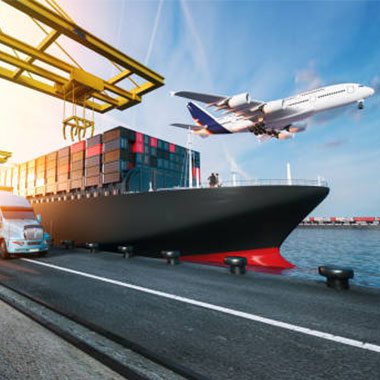
FAST Solutions
Learn more about the various logistics solutions that we cater to and offer our clients, as well as tech innovations, and service facilities
Related Stories

FAST Logistics Participates in Sinulog 2023
January 15, 2023 – FAST Logistics participated in Sinulog Festival at the South Road Properties (SRP) in Cebu for the very first time, with its Todo Value Box product featured prominently on its float. FAST Logistics&#...
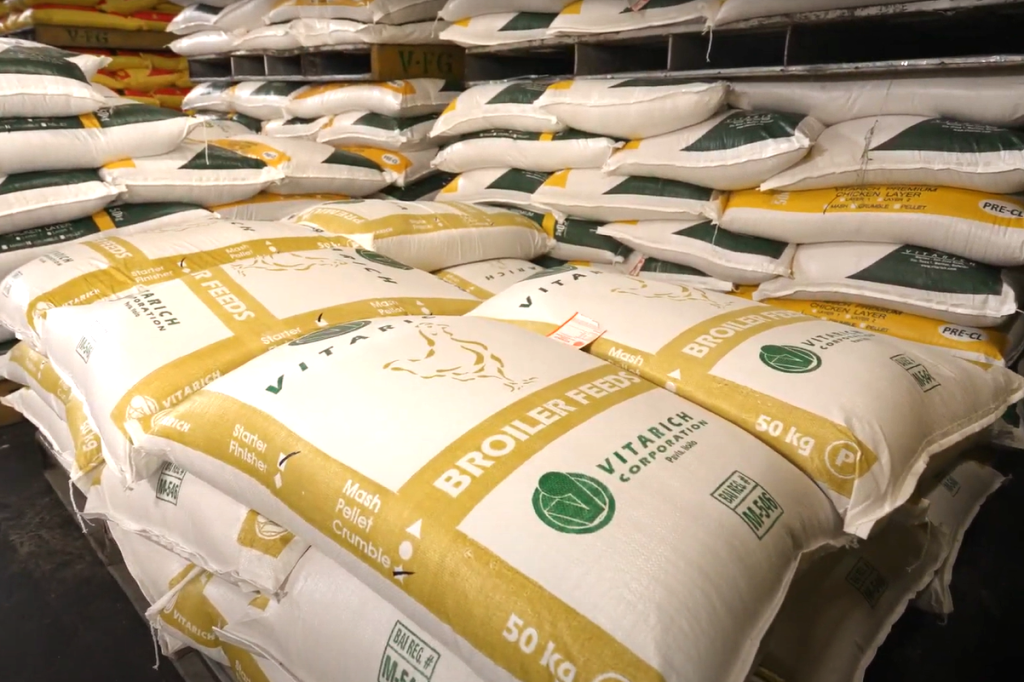
Unlocking Growth – Challenges and Opportunities in the Philippine Livestock and Poultry Sector
The livestock and poultry sector is an integral part of the Philippine economy. It not only provides livelihoods for millions of Filipinos but also increases the country’s agricultural output. The sector is continu...
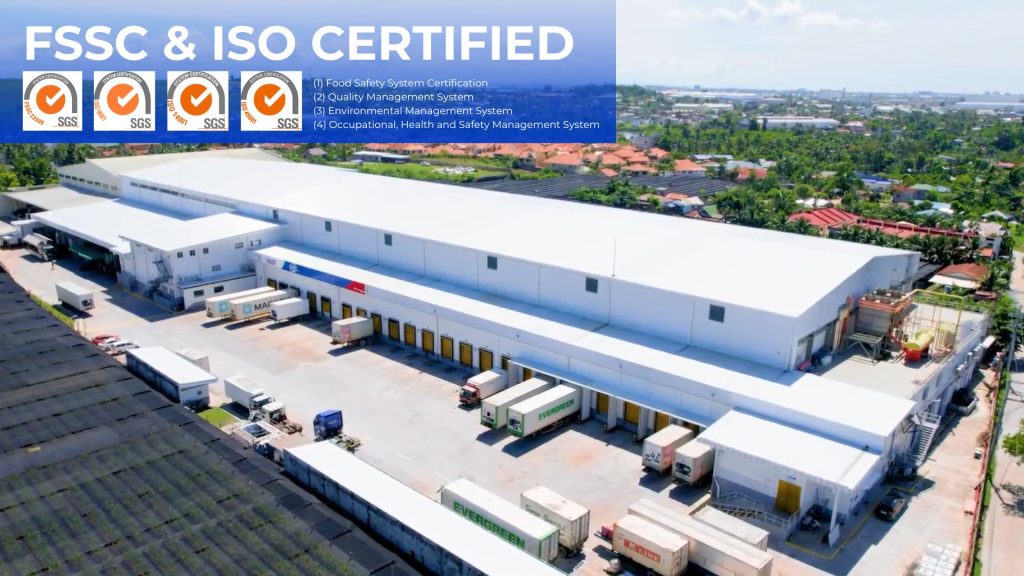
FAST Logistics Hub Cebu Now Certified in Four International Standards
FAST Logistics Hub Cebu has passed new certification audits, achieving compliance with four international standards that underscore the company’s strong commitment to excellence and quality in end-to-end logistics ...

With over 40 years' experience, Fast Group operates an extensive network of transport, warehousing, distribution, and logistics solutions covering inland, air, and sea forwarding and courier services across the 7,641 Philippines islands to help our customers reach the furthest regions of the country.