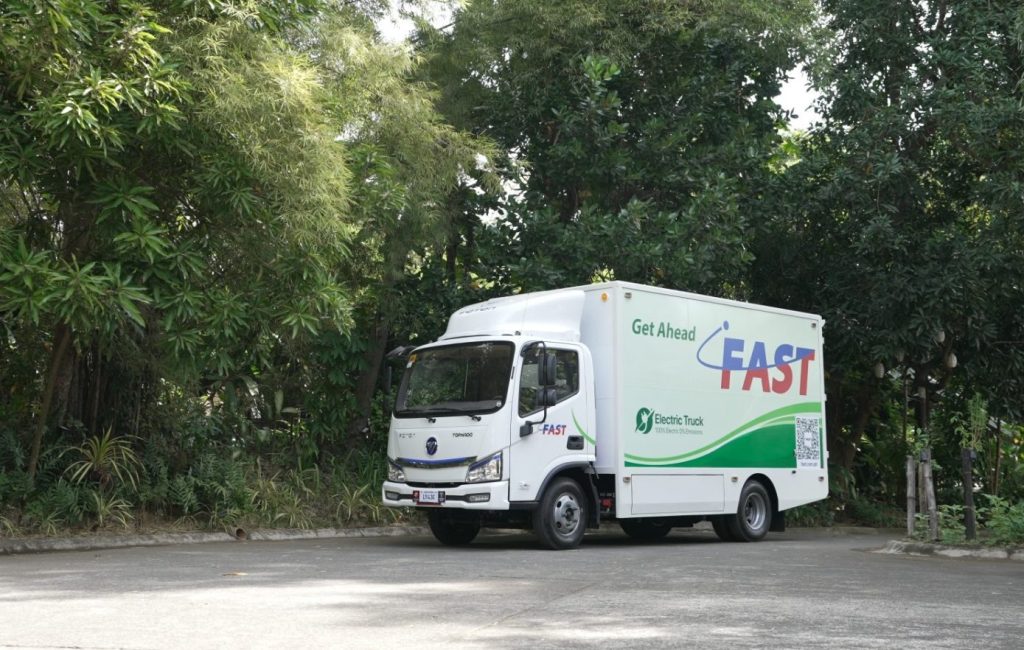
Climate change has been transforming Philippine logistics. Supply chain leaders must understand how climate change directly affects day-to-day operations.
From extreme weather events to longer recovery times, these impacts create operational challenges that reduce efficiency, raise costs, and increase overall supply chain volatility. Without proactive planning, disruptions can quickly cascade into service failures and customer dissatisfaction.
FAST Logistics Group experiences these challenges firsthand. As a leading end-to-end logistics provider in the Philippines, we continuously develop sustainable solutions that help businesses mitigate climate-related risks and strengthen operational resilience.
Here are six major ways climate change is reshaping Philippine logistics—and what businesses must do about it.
1. Infrastructure Damage Is Becoming More Frequent and Costly
Intense typhoons and flooding routinely compromise roads, bridges, ports, and airports, rendering them non-operational and causing major delivery delays. The Asian Development Bank (ADB) estimates that road damage from extreme weather costs the Philippines approximately P130 billion annually.
Typhoons are also forming earlier, intensifying more rapidly, and lingering longer over land. This prolonged exposure increases risks for coastal cities and major transport hubs, all of which are critical nodes in the country’s supply chain network. Logistics continuity becomes increasingly difficult to maintain as infrastructure becomes more vulnerable.
2. Movement of Goods Is Increasingly Disrupted
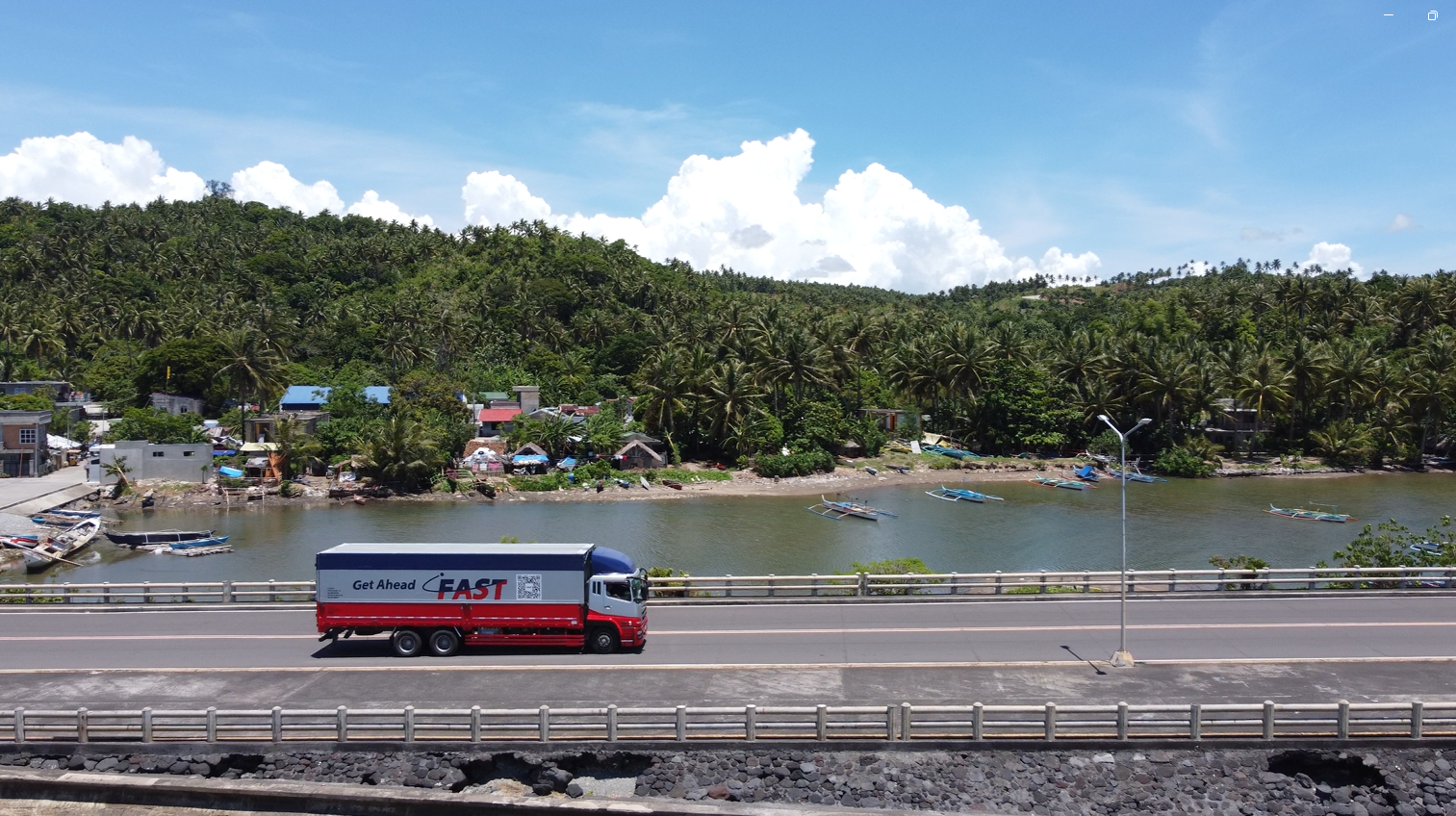
The Philippines experiences an average of about 20 tropical storms per year, according to the state weather bureau PAGASA. Climate change acts as a threat multiplier, intensifying disruptions across production, transport, and delivery networks.
Each storm has the potential to shut down seaports, close highways, suspend air operations, and isolate rural communities from key markets. Based on FAST’s operational data, one day of port closure can result in at least a three-day delivery delay. This is due to cascading effects on vessel berthing schedules, inland transport coordination, and warehouse throughput.
The uninterrupted movement of essential goods — especially food, beverages, medicines, and personal care items — is critical during calamities. Both businesses and households are affected when logistics operations stall.
3. Logistics Costs Are Rising
Weather-related disruptions significantly increase operational expenses. When ports and depots close, labor resources often remain on standby, leading to extended manhours and overtime costs. Trucks experience prolonged dwell times, resulting in inefficient asset utilization and reduced fleet productivity.
During extreme weather events, fuel expenses also increase due to rerouting, longer travel distances, and heavier congestion. Emergency measures, such as air freight or expedited transport, further drive up expenses. Over time, recurring disruptions further increase logistics costs in the Philippines, which are already among the highest in Southeast Asia.
4. Working Capital Is Tied Up Longer
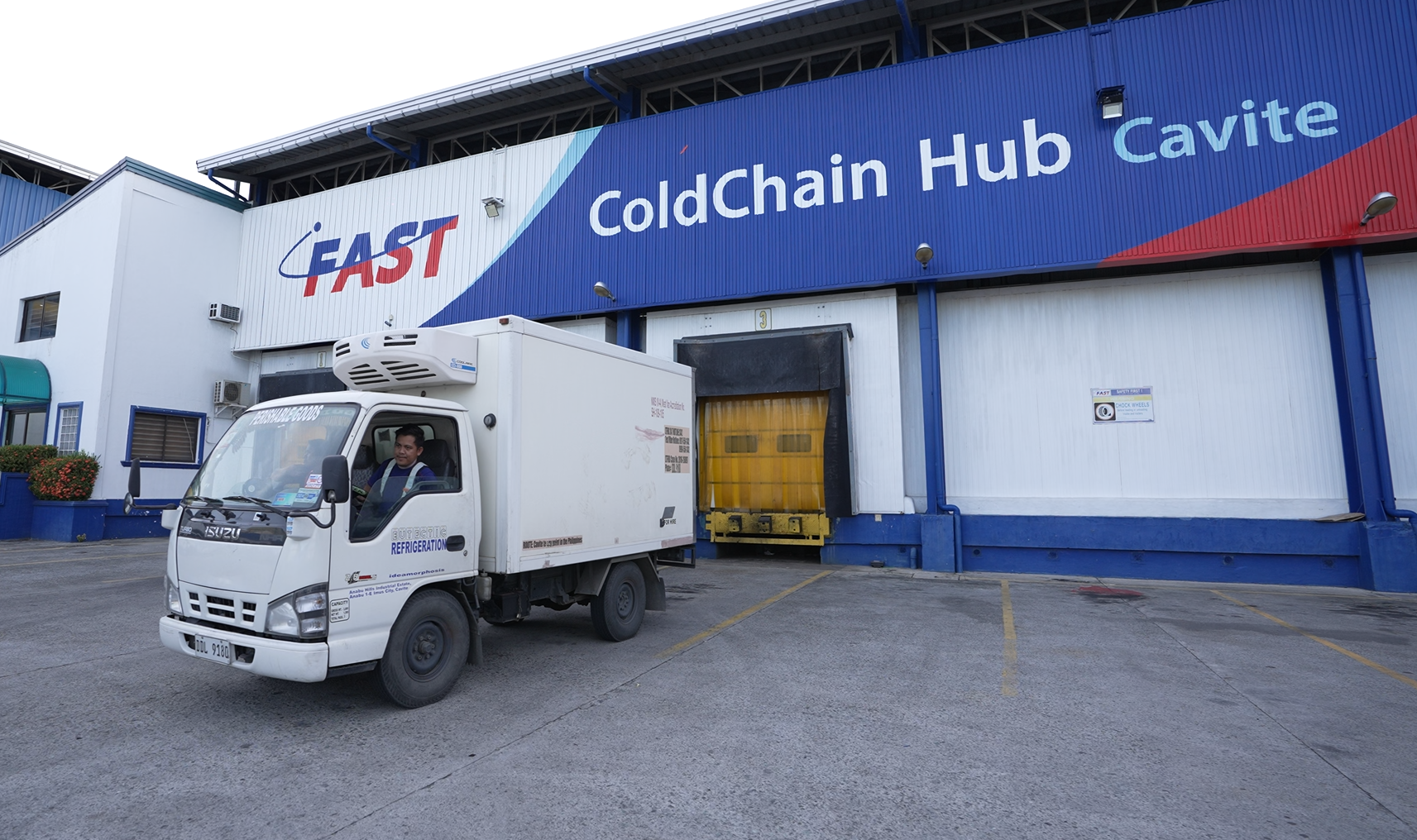
When goods cannot move according to schedule, inventory turnover slows. Products remain idle in warehouses or ports, tying up working capital and disrupting production and replenishment cycles.
For businesses operating on lean inventory models, delays affect cash flow and profitability. Broader economic studies indicate that typhoons can reduce regional economic output by about 1% to 3% in affected areas. The financial impact therefore extends beyond logistics operations and influences overall economic stability.
5. Customer Expectations Continue to Rise
Delivery delays shape customer experience. Consumers now expect reliable delivery windows, real-time tracking, and consistent service levels, even during adverse weather conditions.
Retailers and manufacturers depend on predictable inbound and outbound logistics to maintain service standards. Without digital tools such as real-time tracking, weather forecasting integration, and effective supply chain management systems, businesses risk missed delivery commitments and reduced brand trust.
Digital transformation has become a key enabler of resilience. Companies that invest in visibility and predictive analytics tools, such as Warehouse Management System (WMS) and Transport Management System (TMS), are better positioned to maintain service reliability during climate disruptions.
6. Increased Regulatory Pressure as Sustainability and Resilience Are Now Interconnected
As climate risks intensify, government regulations are evolving to encourage sustainable practices. Manufacturers, retailers, and logistics providers face increasing pressure to reduce carbon emissions and improve energy efficiency.
One example is the Electric Vehicle Industry Development Act (EVIDA Law), which seeks to accelerate the adoption of electric vehicles (EVs) in the Philippines. The law mandates that by 2028, at least 5% of fleets used by industrial and commercial companies, public transport operators, and government agencies must be electric — whether owned or leased.
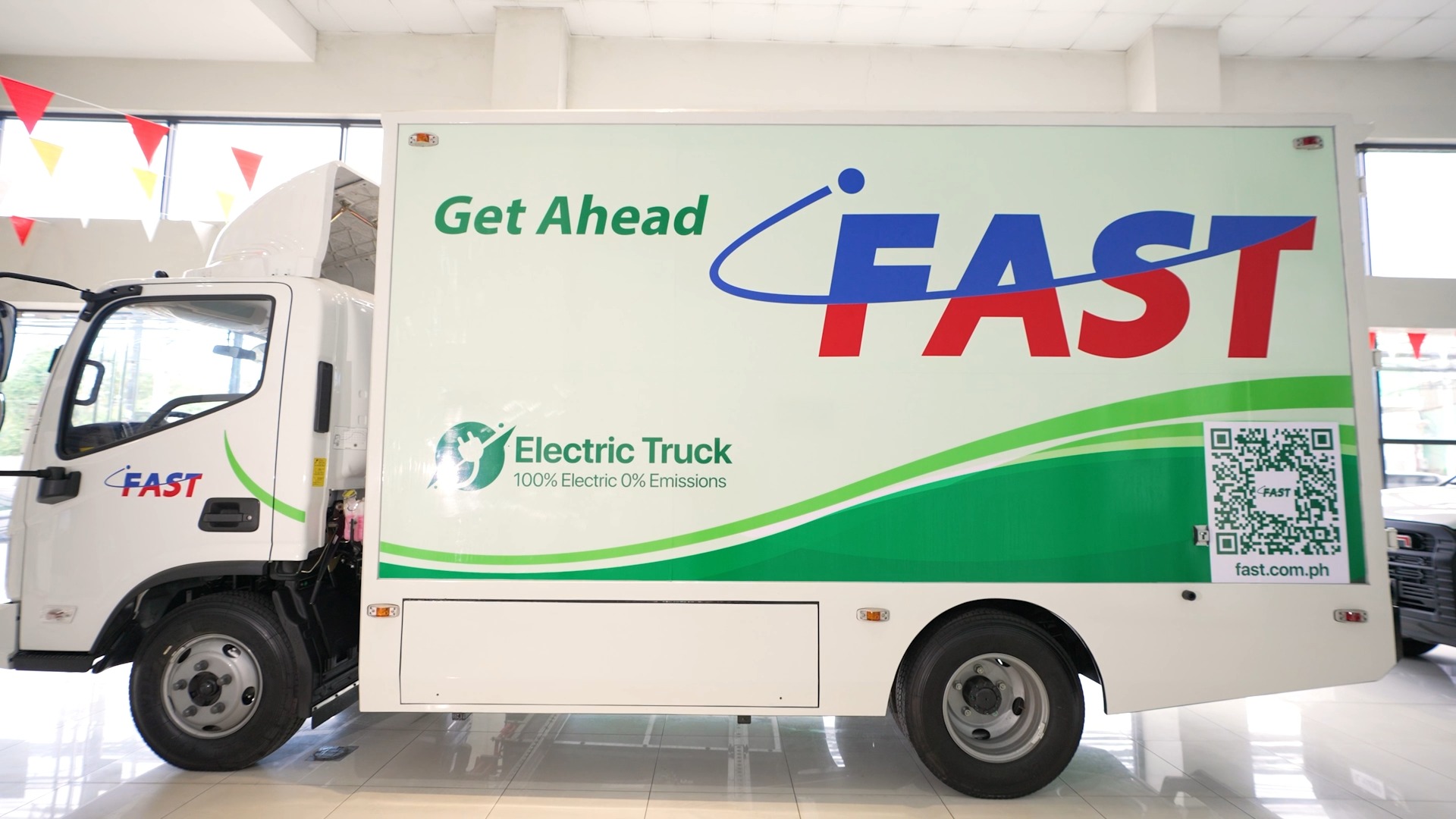
Resilience and sustainability now go hand in hand. FAST has committed to achieving net-zero carbon emissions by 2050 and has been integrating electric vehicles into its fleet. Its major warehouses, as well as its EV charging stations, are powered by solar energy.
Climate Change Negatively Impacts Logistics and Supply Chain Operations
Climate change is redefining how logistics must operate in the Philippines, making disruptions and volatility more frequent and severe. In summary, climate change:
- Damages critical infrastructure such as roads, ports, airports, and bridges
- Disrupts the movement of goods through port closures, flooded roads, and suspended operations
- Increases logistics costs through rerouting, longer travel times, higher fuel use, and overtime labor
- Slows inventory turnover and ties up working capital due to delivery delays and bottlenecks
- Raises customer expectations for reliability, visibility, and on-time delivery despite disruptions
- Intensifies regulatory and sustainability pressure to reduce emissions and adopt cleaner technologies
However, businesses that adopt proactive resilience strategies to:
- Protect supply chain continuity
- Lower long-term operational costs
- Strengthen customer confidence
- Support community recovery during crises
FAST Logistics Group: Trusted Logistics Partner of Business for Sustainability and Resiliency
FAST Logistics Group, the Philippines’ largest end-to-end logistics provider, is committed to building a logistics ecosystem that not only withstands climate challenges but also contributes to a more sustainable and resilient Philippine economy.
Here is why FAST is the best partner for sustainability-driven businesses.
Leadership in Carbon Reduction and Net Zero Goals
With over 50 years of industry leadership, FAST has committed to achieving Net Zero by 2050, with a target to reduce direct emissions by 55% by 2030 — making it the first logistics provider in the Philippines to make this level of commitment. To turn ambition into action, FAST has established its ESG strategy anchored on four pillars: promoting customer satisfaction and welfare, creating a safe and empowered workplace, transitioning to a low-carbon economy, and ensuring strong governance and risk management. The strategy is built on measurable priorities and KPIs.
Adoption of Green Technologies and Renewable Energy
FAST backs its sustainability commitments with real investments. It uses renewable energy, electric mobility, and data-driven tools to reduce its environmental impact and strengthen supply chain resilience. FAST launched fully electric trucks for FMCG logistics. Each truck can travel up to 280 kilometers on a full charge. At the same time, FAST uses GPS and AI tools to improve operations. These include AI dashcams and smart dashboards to optimize routes, improve safety, and reduce fuel and energy use. FAST also built solar-powered EV charging stations and solar-powered warehouses to bolster its decarbonization efforts.
Strong Stakeholder Confidence
FAST’s sustainability work is validated by external recognition and trusted partnerships. In 2024, FAST received the Sustainability and Green Logistics Award at the 1st SCMAP Supply Chain Philippines Excellence Awards. Sustainability-driven companies such as BDO Unibank and Ajinomoto Philippines have also highlighted FAST’s leadership through joint initiatives—particularly in electric vehicle adoption and renewable energy projects.
As environmental risks intensify, businesses must evolve with greater agility, smarter technology, and stronger preparedness. Working with sustainability-driven 4PL providers like FAST helps companies reduce climate-related risks while strengthening overall supply chain resilience.
Learn how your business can strengthen supply chain resilience in an era of climate uncertainty. Book a free consultation with our Solutions Experts
Categories
-
FAST Ahead
Includes case studies and testimonials of our partners as well as other featurettes from industry experts
-

FAST Hacks
We simplify logistics terms and provide practical tips and solutions for the DIY in you
-

FAST Highlights
Know more about our history, various brands, achievements, and news updates
-

FAST Moments
Get to know the people of FAST, our employee programs, as well as our various ways of giving back to the community
-
FAST Solutions
Learn more about the various logistics solutions that we cater to and offer our clients, as well as tech innovations, and service facilities
Related Stories
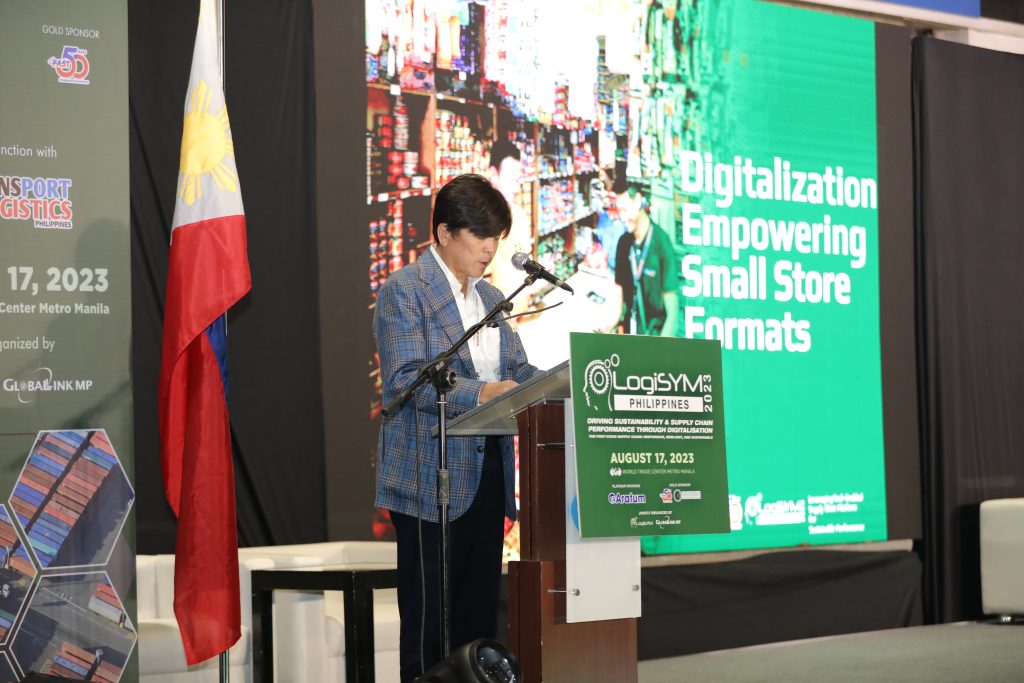
Tech-Visionary Spotlight: FAST Group President William B. Chiongbian II on Tech-Enabled Supply Chains at LogiSYM Philippines
FAST Group President Mr. William B. Chiongbian II delivers his presentation on tech-enabled supply chains for sustainability at LogiSYM Philippines 2023 FAST Group President William B. Chiongbian II delivered a compellin...

Cargo Shipping from Mindanao to Luzon and Visayas: How FAST Helps BF Industries Scale Nationwide
Cargo shipping from Mindanao to Luzon and Visayas is a growth enabler for fast-growing businesses in the region. As demand expands, companies need a transport and warehousing partner that can scale with them, manage peak...
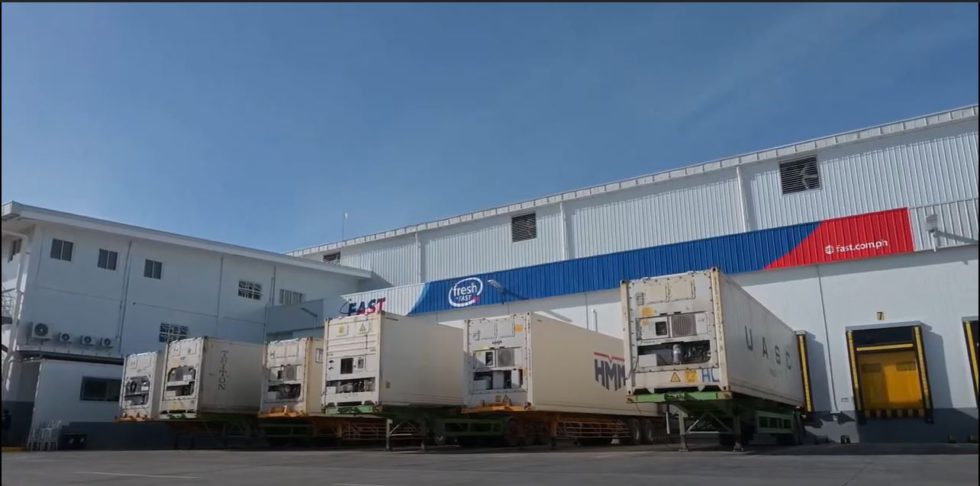
FAST Logistics expands cold chain operations
MANILA - Fast Logistics Group launched on Wednesday its cold chain business brand “Fresh”

With over 40 years' experience, Fast Group operates an extensive network of transport, warehousing, distribution, and logistics solutions covering inland, air, and sea forwarding and courier services across the 7,641 Philippines islands to help our customers reach the furthest regions of the country.