The Philippine hospitality sector presents significant growth opportunities. However, hotels, restaurants, resorts, and leisure companies continue to face challenges that affect profitability and guest satisfaction.
Hospitality businesses in the Philippines are confronting high operational costs, labor shortages, changing guest expectations, supply chain disruptions, and the need for greater operational resilience.
Let’s take a deep dive into eight common challenges faced by Philippine hotels, restaurants, and leisure companies — and how businesses can address them.
1) Rising Operational and Energy Costs
Hospitality is an energy-intensive industry. Hotels require electricity for air-conditioning, lighting, refrigeration, laundry, kitchens, elevators, water heating, and other essential services. Restaurants also rely heavily on refrigeration, cooking equipment, and ventilation.
At the same time, transportation costs affect everything from food ingredients and beverages to linens, cleaning supplies, equipment, and other operating materials.
This creates a difficult balancing act: businesses need to control costs without compromising the guest experience’s quality.
2) Fluctuations in International Tourist Markets
International tourism remains an important growth opportunity for Philippine hospitality businesses, but visitor markets can be unpredictable. Changes in travel preferences, airline capacity, visa policies, and economic conditions affect inbound arrivals.
The Philippines continues to lag some Southeast Asian peers in attracting international visitors. Inbound tourism expenditure declined by 6.4%. Conversely, domestic tourism expenditure also grew by 3.0%, from PHP3.16 trillion in 2024 to PHP3.26 trillion in 2025, highlighting the industry’s continued dependence on domestic demand.
For hospitality businesses, this makes market diversification increasingly important. Hotels and resorts cannot rely exclusively on a single tourism market. They need to remain attractive to domestic travelers while developing strategies to capture different international visitor segments.
3) Labor Shortages and High Employee Turnover
Hospitality is ultimately a people-driven business. The sector employs front-office staff, housekeeping teams, chefs, servers, maintenance personnel, drivers, and managers. In 2025, tourism industries employed an estimated 7.70 million people, representing 15.7% of total employment in the Philippines.
Yet recruiting and retaining skilled hospitality workers remains a challenge. The Philippine Hotel Owners Association has identified potential labor shortages as the country’s accommodation pipeline expands, with more than 55,000 direct jobs expected to be needed for projects in development.
Labor shortages increase operating pressure while making it more difficult to deliver consistently excellent service. Lack of talent and high employee turnover impact response times and service consistency. These also affect housekeeping turnaround, food preparation, and other guest-facing activities.
4) Changing Guest Expectations
Guests demand more than a clean room or a good meal. They increasingly expect convenience, personalization, speed, and consistent service across every interaction.
A guest may discover a hotel through social media, make a reservation through an online platform, check in digitally, order food through an app, request amenities through messaging, and leave a review online—all within one stay. This means the guest feedback is shaped by the entire customer journey.
A single operational failure can influence reviews, repeat bookings, and brand perception.
5) Technology Adoption and Digital Transformation
Technology can help hospitality companies improve efficiency, but implementing the right systems can be challenging. Hotels and restaurants may need to integrate property management systems, point-of-sale platforms, inventory systems, booking platforms, customer relationship management tools, workforce systems, and other technologies.
Technology investments can also be difficult for smaller hospitality businesses with limited budgets and technical resources. Poorly integrated systems can create information gaps and duplicated processes.
6) Sustainability and Waste Management Pressures
Sustainability is becoming increasingly important to travelers, investors, employees, and regulators. Yet implementing sustainable practices can be challenging.
According to the Philippine Statistics Authority, tourism consumed 208.74 million cubic meters of water in 2025, while total tourism energy consumption reached 7,532.16 kilotons of oil equivalent. State statisticians also noted tourism-related carbon dioxide emissions also increased by 3.9% year-on-year. Meanwhile, accommodation services alone accounted for 42.6% of tourism’s total water consumption.
Hotels, resorts, and restaurants therefore need to look beyond visible sustainability initiatives and examine how resources move throughout their operations.
7) Supply Chain Disruptions and Inventory Management
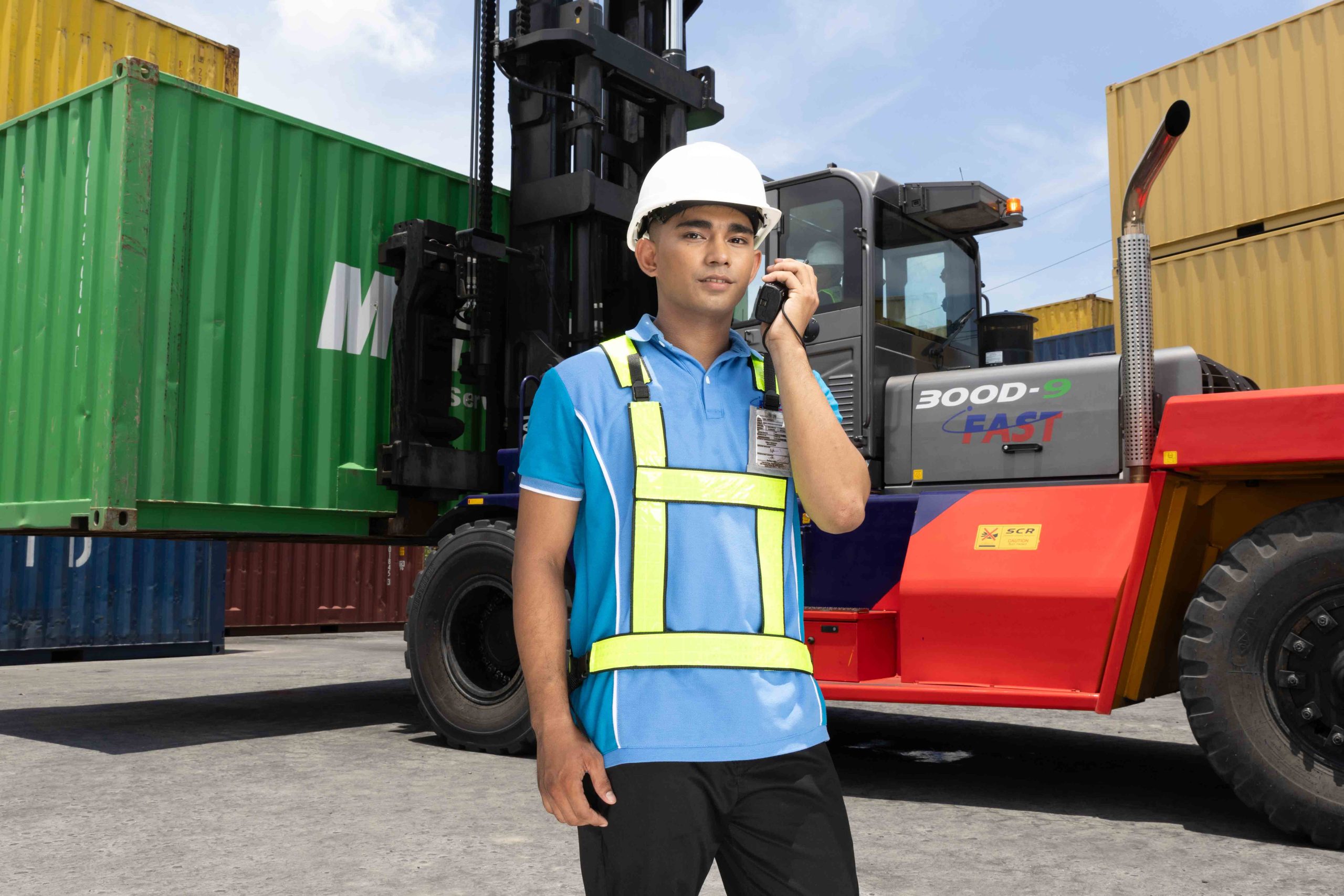
Hotels, restaurants, and resorts depend on various products. They require operating essentials: food ingredients, beverages, toiletries, linens, cleaning products, kitchen supplies, maintenance materials, and guest amenities.
This becomes particularly challenging for properties located outside major urban centers or on islands where transportation schedules, weather conditions, port congestion, and geographic distance can affect deliveries.
Inventory planning is important. Overstocking increases storage requirements, spoilage, and working capital. Understocking, on the other hand, can lead to unavailable menu items, missing guest amenities, or operational delays.
8) Business Continuity and Resilience
Hotels, restaurants, and leisure businesses are particularly vulnerable to disruptions. Unforeseen events such as typhoons, flooding, earthquakes, port disruptions, and power interruptions can affect both guest demand and business operations.
Resilient hospitality companies therefore need contingency plans for their supply chains. This means identifying alternative suppliers and maintaining appropriate inventory buffers. Hospitality businesses also need to develop contingency transportation plans and have visibility over critical supplies.
Having a third-party logistics partner (3PL) can spell the difference in helping hospitality businesses keep serving guests even when disruptions occur. Working with a 3PL provider has become a strategic priority for Philippine businesses.
Logistics and Supply Chain: Critical Growth Drivers in Hospitality Businesses
Logistics plays a critical role in customer experience and operational excellence. For hotels, restaurants, resorts, and leisure businesses, logistics is about ensuring that critical items are available and accessible when and where they are needed to support an excellent guest experience.
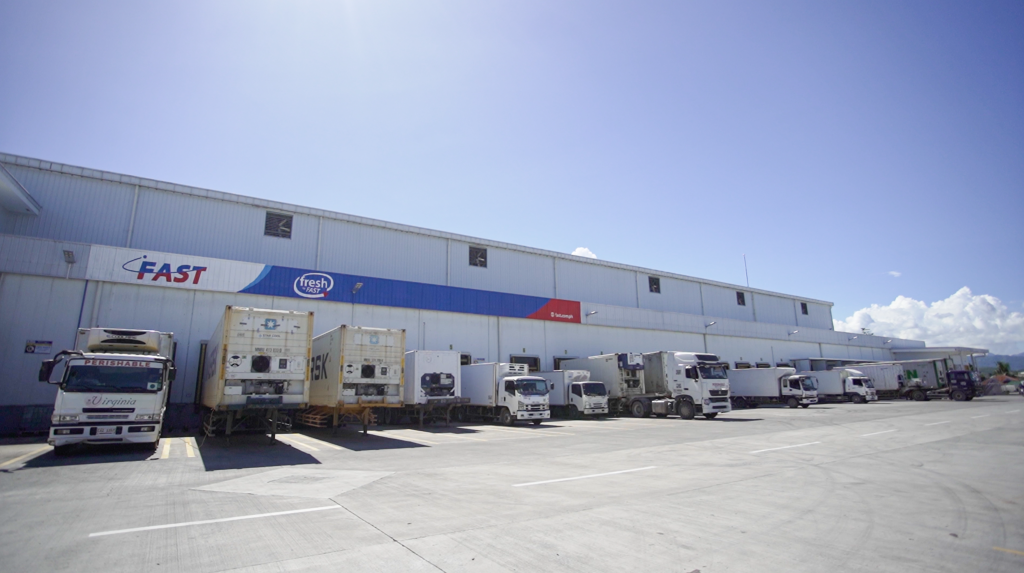
This is where FAST Logistics Group can help. With extensive logistics infrastructure and expertise supporting businesses across the Philippines, FAST helps companies in the hospitality sector manage the movement and availability of essential products across their supply chains.
For hospitality businesses, this can mean helping ensure that food and beverage supplies, guest amenities, operating materials, and other critical items reach properties efficiently and reliably.
By strengthening the supply chain behind the scenes, hospitality businesses can spend less time dealing with supply disruptions and more time focusing on what matters most: delivering an exceptional guest experience.
FAST Logistics Group: Trusted Logistics Partner of Hotels, Restaurants, and Leisure Companies
FAST Logistics Group provides businesses with the infrastructure and expertise needed to keep critical products moving across the Philippines.
- Hospitality Vertical Expertise: FAST has extensive experience handling furniture, fixtures, and equipment (FF&E), as well as operating supplies and equipment (OS&E). FAST provides supply chain solutions that help ensure day-to-day supplies, as well as items needed for renovations and property openings, are delivered when required.
- Network Reach and Scalability: FAST has local storage infrastructure near major transport hubs and the capacity to scale operations during peak tourism seasons. For regional or national hotel chains with multiple properties nationwide, working with an established logistics provider can help provide broad geographic coverage and the logistics capacity needed to support their operations.
- Technology and Real-Time Visibility: Modern Transportation Management Systems (TMS) and Warehouse Management Systems (WMS) can provide greater visibility into the movement and availability of time-sensitive hospitality supplies and inventory.
- Deep Philippine Knowledge and Expertise: FAST understands the practical realities of moving goods across different regions, including inter-island transportation, local delivery conditions, infrastructure constraints, and disruptions caused by weather and other events. This Philippine market knowledge can be particularly valuable for hospitality companies managing multiple properties across the country.
- Trusted in Managing Disruptions and Critical Shipments: Working with an experienced 3PL like FAST gives businesses access to logistics expertise developed through handling different operating conditions and shipment requirements. This can become especially valuable when a hospitality business needs to restock critical supplies during challenging circumstances.
Exceptional hospitality starts long before the guest walks through the door. The right logistics partner can help simplify supply chain management and give hospitality teams more time to focus on what matters most: delivering a consistent and excellent customer experience.
With over 50 years of industry leadership, FAST Logistics Group is the leading end-to-end logistics solutions provider in the Philippines. Connect with Solutions Experts to learn how FAST can develop a logistics solution for your business.
Categories
-

FAST Ahead
Includes case studies and testimonials of our partners as well as other featurettes from industry experts
-

FAST Hacks
We simplify logistics terms and provide practical tips and solutions for the DIY in you
-

FAST Highlights
Know more about our history, various brands, achievements, and news updates
-

FAST Moments
Get to know the people of FAST, our employee programs, as well as our various ways of giving back to the community
-
FAST Solutions
Learn more about the various logistics solutions that we cater to and offer our clients, as well as tech innovations, and service facilities
Related Stories
Cold Storage Should Move Closer to Food Production Areas, Be Shared Among Producers: Cold Chain Expert
The Philippines can significantly reduce post-harvest losses and improve food security by bringing cold storage and order fulfillment facilities closer to agricultural production areas and adopting shared cold chain mode...
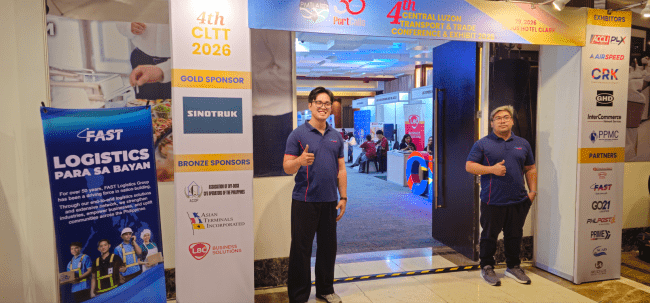
FAST Logistics Showcases Integrated Multi-Modal Transport Capabilities at 4th Central Luzon Transport & Trade Conference & Exhibit
FAST Logistics Group, the Philippines’ leading third-party logistics (3PL) provider, highlighted its integrated multi-modal transport capabilities via land, RoRo, sea, and air at the 4th Central Luzon Transport & T...
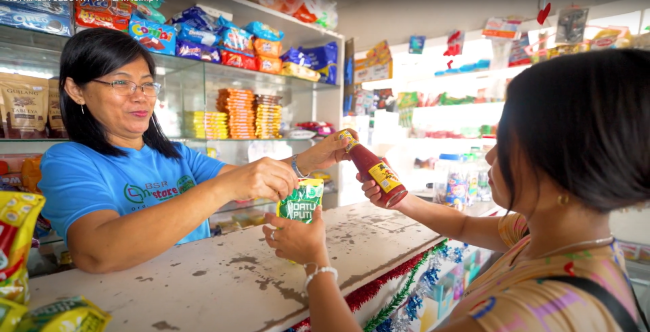
Are Sari-Sari Stores Still Relevant in the Age of E-Commerce
The convenience and variety of digital products and platforms have made it possible to find much of what we need online. From groceries to daily necessities, online shopping has revolutionized the buying experience, allo...

FAST Logistics Group is the leading end-to-end logistics and supply chain solutions provider in the Philippines. With over 50 years of industry leadership, we offer a comprehensive suite of services including multi-modal transportation, warehousing, cross-docking, cold chain, and toll manufacturing solutions.
© Copyright 2026 FAST Logistics